What Does Lion's Mane Extract Do?
2026-05-14 14:16:11
Lion's mane extract is a concentrated functional mushroom ingredient that comes from Hericium erinaceus. It is mostly used in the nutraceutical and functional food businesses to make products that support cognitive health. This standard plant material has beneficial polysaccharides, hericenones, and erinacines that help the brain work well and keep your mind clear. The extract is often found in brain health supplements, functional drinks, and nootropic mixes. Demand is growing as more people look for natural ways to improve their focus and memory. For procurement professionals, knowing how this ingredient works and what it can be used for is important for judging the quality of suppliers and making wellness goods that compete.

Understanding Lion's Mane Extract: An Overview
Botanical Origin and Extraction Methods
The lion's mane mushroom, Hericium erinaceus, has been used in traditional medicine for hundreds of years. With today's extraction methods, this raw fungus material has been turned into a concentrated ingredient that can be used on an industrial basis. A two-step process is usually used for extraction: first, hot water is used to get rid of polysaccharides and beta-glucans, and then ethanol is used to separate lipophilic chemicals like hericenones and erinacines. This method solves a major problem in the industry: the chitin cell walls in raw mushroom powders make them less bioavailable because they can't be digested. Extraction methods make sure that therapeutic levels of active compounds are reached in finished products by breaking down these barriers.
Standardised extracts usually list a polysaccharide content between 20% and 50%. Bioactive profiles are better in fruiting body sources compared to mycelium-based options. To make sure that all production batches are the same, procurement teams should check the solvent residue limits, extraction ratios, and active ingredient tests.
Key Bioactive Compounds and Neurological Mechanisms
Lion's mane extract may be useful for health reasons because it contains two different types of compounds. Hericenones are mostly found in the fruiting body, and erinacines are mostly found in the mycelium. Both of these chemicals increase the production of nerve growth factor (NGF), which is a protein that neurones need to stay healthy and grow new ones. Clinical tests have shown that these chemicals can cross the blood-brain barrier and help new neurones grow in the hippocampus, which is the part of the brain that stores memories.
According to research that has been published in reputable journals, polysaccharides from lion's hair can reduce inflammation and protect neural tissue from oxidative stress. The extract works in these ways to make it a useful ingredient for brain health, neuroprotection, and mood control. These are all qualities that product makers looking to target older people and people who want to perform better really value.
Forms and Manufacturing Applications
Lion's mane mushroom extract comes in a number of different forms to meet the needs of different production needs. Powdered extracts are most common in the nutraceutical industry because they are easy to capsule, pill, and mix into functional food matrixes. Liquid concentrates are useful in beverage uses where dispersion and solubility are important. Some suppliers offer beverage-grade extracts with the right particle size and hydrophilic qualities, which means they can be easily added to ready-to-drink mixes without causing sedimentation or flavour masking.
Manufacturers of capsules and tablets prefer powder that is free-flowing and has a controlled wetness content to make sure that the dose is always the same and that the powder lasts longer. Extracts that can survive high temperatures without breaking down bioactive compounds are needed by companies that make functional drinks. When buying managers know about these differences in formats, they can choose ingredients that work with certain production methods and end-product requirements.
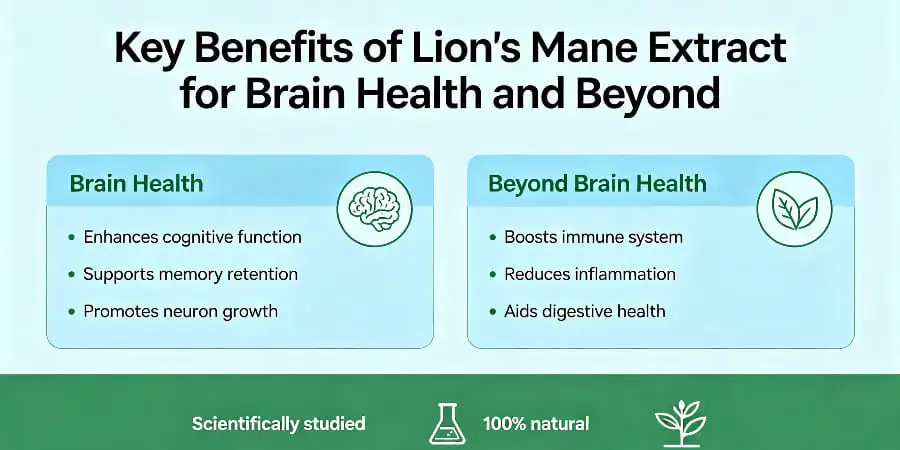
Key Benefits of Lion's Mane Extract for Brain Health and Beyond
Cognitive Enhancement and Memory Support
Lion's mane mushroom extract is known as a nootropic because it has been shown to improve brain function. In clinical studies with older people who had mild cognitive impairment, consistent supplementation led to improvements in cognitive function scores that could be seen. The extract's ability to increase NGF production improves synaptic plasticity, which is the brain's ability to make new nerve connections. This is a process that is directly linked to learning and remembering things.
Lion's mane is better than manufactured nootropics like racetams because it is safer and doesn't come with a label. Product makers who make supplements for cognitive health can set their products apart by emphasising natural neurogenesis support, which is a claim backed up by research. This makes the extract a good choice in markets where buyers care about how clear and real the botanicals are.
Mood Regulation and Mental Wellness
New study is looking into the extract's role in emotional health as well as cognitive performance. Studies show that bioactive compounds change the inflammatory pathways that are linked to sadness and anxiety. After four weeks of supplementation, people in controlled studies said they were less irritable and had more stable moods.
These results are in line with the fact that more and more people are interested in mental health goods that help with stress without using drugs. Brands that want to help people deal with stress can use lion's mane extract as a main ingredient and mix it with adaptogens like Rhodiola or Ashwagandha to make formulations that work better together. Due to its effect on both mood and memory, the extract can be used in more wellness areas than just brain health.
Immune Support and Anti-Inflammatory Properties
Lion's mane polysaccharides change the immune system by making natural killer cells work better and helping keep inflammatory reactions in check. Because of this, the ingredient can be used in more formulations that aim for overall health rather than just brain function. Lion's mane mushroom extract can be added to multi-benefit blends made by companies that make wellness products that are popular with health-conscious people who want to support their immune systems.
The anti-inflammatory profile also helps keep the digestive system healthy, and early study shows that it may help protect against gastric irritation. This makes the extract a possible ingredient for gut-brain axis products, a new area where digestive health and neurological health meet. When purchasing managers look at ingredient stocks, they should think about these cross-category uses when figuring out how big the market is and how flexible the formulations are.
Using Lion's Mane Extract: Dosage, Forms, and Safety Considerations
Recommended Dosage Ranges
Clinical studies usually talk about daily doses of 500 mg to 3,000 mg of standardised extract. For cognitive health, most programmes use 1,000 mg to 1,500 mg spread out over two or three servings. When making dietary supplements, companies have to find a balance between therapeutic dosing and capsule count convenience. People like regimens that don't require a lot of pills but still offer clinically relevant levels of active ingredients.
Higher polysaccharide ratios in powdered extracts allow lower serving weights, which lowers material costs and makes label claims more accurate. The people who make functional drinks usually put between 300 mg and 500 mg of the drug in each serving. They market their goods as daily wellness rituals instead of therapeutic interventions. Figuring out these dosage situations helps purchasing teams make sure that the requirements for ingredients are in line with the types of products they want to make and the rules that guide structure-function claims.
Safety Profile and Regulatory Status
In human tests, lion's mane extract has a very good safety profile. The only side effects seen were mild digestive problems in a few cases. In the US, the ingredient is GRAS (Generally Recognised As Safe) when used within recommended intake amounts. This makes it easier to follow the rules for food and drink applications. This classification makes it easier to make formulas than with new ingredients that need a lot of safety information.
Manufacturers should still do full allergen and microbe testing, since fungal ingredients may cause reactions in people who are already more likely to have them. Suppliers who follow GMP standards use approved testing methods to look for heavy metals, pesticide residues, and microbes that could be harmful to humans. These tests protect both the safety of consumers and the image of the brand. To make sure that each batch is the same, procurement contracts should include accepted limits that are in line with USP monographs or European Pharmacopoeia standards.
Organic Versus Conventional Sourcing
Organic certification increases the value of high-end goods where customers value pesticide-free farming and environmentally friendly buying. Certified organic lion's mane extract costs more, but it helps with marketing and gives you access to natural retail outlets that have strict ingredient rules. When it comes to mass-market uses where organic status is not a major selling point, conventional extracts are cheaper.
There aren't many differences in quality between organic and conventional sources as long as sellers keep strict controls on farming and processing. When making a procurement choice, the costs of certification should be weighed against the preferences and price positioning of the target market. Some sellers give you both choices, which lets you make product lines for different price ranges without changing the way they're made.
Choosing the Right Lion's Mane Extract Supplier and Product
Certification and Quality Benchmarks
The first step in evaluating a supplier is to check their certifications, which show that they can make good products and follow proper production practices. ISO 9001 certification shows that there are quality control systems in place, and GMP compliance shows that production standards for pharmaceuticals are being met. Organic certificates from the USDA or EU back up claims about where the food comes from, and third-party testing certifications from NSF or Informed Sport cover the sports nutrition markets that need to check for contamination.
In addition to certifications, people who work in buying should ask for Certificates of Analysis (COA) for production batches that are typical. COAs should include information on the amount of polysaccharides found through HPLC analysis, the results of microbial tests, heavy metal screens, and the amount of solvent residue. If a supplier can't or won't provide all the necessary paperwork, they might not have the quality infrastructure needed for a steady flow of goods to industry.
Extract Form Comparison for B2B Applications
In the nutrition industry, powdered extracts are the most common because they are stable and can be used in many ways. These ingredients work well in capsules, tablets, and sachets, and they can be stored for more than 24 months in controlled circumstances. To make beverage-grade powders more soluble, they need to be processed further. Suppliers that offer instantized or microencapsulated versions can help with the problems of dispersion that come up in liquid uses.
Liquid extracts make it easier to make ready-to-drink drinks, but they need to be kept cold and have systems in place to stop microbes from growing. The choice of format is affected by the balance between ease of use and stability, as well as the production and delivery networks. Concentrates may be better for manufacturers who already have a way to handle liquids, while powdered forms with lower water activity may be better for manufacturers who want their products to last longer.
Evaluating Supplier Reliability and Supply Chain Factors
In addition to product specifications, operational factors also affect whether a supplier is a good fit for a long-term relationship. Minimum order quantities (MOQs) need to be in line with how quickly inventory turns over and how much operating capital is available. Suppliers with customisable MOQs can handle new product launches and changes in seasonal demand, which lowers the risk of having too much inventory or not enough stock.
Lead times affect when products are made and when customers are satisfied. Reliable sellers keep extra stock on hand and let you know ahead of time about any delays that might happen. Clear volume-based discounts and clear pricing systems make it possible to accurately model costs and analyse margins. Return policies that cover quality problems keep businesses from losing money because of material that doesn't meet specifications. However, when quality systems are working properly, reputable suppliers rarely have to deal with these kinds of problems.
Conclusion
Lion's mane extract represents a scientifically validated, market-driven ingredient for cognitive health and wellness formulations across nutraceutical, functional food, and beverage categories. Its bioactive polysaccharides and neurogenic compounds deliver measurable benefits that resonate with health-conscious consumers seeking natural performance enhancement. Procurement professionals must evaluate suppliers based on comprehensive quality certifications, transparent testing protocols, and operational reliability to ensure consistent product excellence. Understanding dosage guidelines, format advantages, and market trends positions procurement teams to make strategic sourcing decisions that optimize cost, quality, and supply chain resilience. As demand for nootropic ingredients accelerates, establishing robust supplier partnerships and maintaining rigorous quality standards will differentiate successful brands in this competitive wellness sector.
FAQ
What is the difference between lion's mane extract and powder?
Lion's mane powder typically consists of dried, ground whole mushrooms containing indigestible chitin that limits bioavailability. Extract products undergo solvent-based concentration processes that isolate and standardize bioactive compounds like polysaccharides and hericenones, delivering higher potency and therapeutic efficacy in smaller serving sizes.
Are there any safety risks with long-term use?
Clinical studies and post-market surveillance indicate excellent tolerability with long-term supplementation. Rare reports of mild digestive upset exist, but serious adverse events have not been documented in peer-reviewed literature. Individuals with mushroom allergies should exercise caution, and manufacturers should include appropriate label disclaimers.
How can I verify supplier quality and authenticity?
Request third-party lab reports confirming polysaccharide content via HPLC, microbial testing, heavy metal screening, and DNA authentication verifying Hericium erinaceus identity. Suppliers with ISO and GMP certifications demonstrate quality infrastructure, while site audits provide direct verification of manufacturing practices and sourcing transparency.
Partner with Wellgreen for Premium Lion's Mane Extract Supply
Wellgreen Technology stands as a trusted lion's mane extract manufacturer committed to delivering pharmaceutical-grade botanical ingredients for nutraceutical and functional food applications. Our GMP-certified facility produces high-polysaccharide content extracts from premium fruiting bodies, with standardized specifications meeting the rigorous demands of supplement brands, beverage formulators, and OEM partners. We offer beverage-grade solubility optimization, flexible MOQs accommodating product development phases, and comprehensive documentation supporting regulatory compliance across global markets.
Our technical team collaborates closely with product developers to create custom extract specifications, compound mushroom formulations, and application-specific solutions that solve formulation challenges. With stable batch-to-batch consistency, rapid turnaround times, and stringent quality testing protocols, Wellgreen provides the supply chain reliability that procurement professionals require. Contact our B2B team at wgt@allwellcn.com to discuss your lion's mane extract requirements, request product samples, and explore partnership opportunities that elevate your cognitive health product portfolio.
References
Mori, K., et al. (2009). Improving effects of the mushroom Yamabushitake on mild cognitive impairment. Phytotherapy Research, 23(3), 367-372.
Nagano, M., et al. (2010). Reduction of depression and anxiety by 4 weeks Hericium erinaceus intake. Biomedical Research, 31(4), 231-237.
Friedman, M. (2015). Chemistry, nutrition, and health-promoting properties of Hericium erinaceus mushroom. Journal of Agricultural and Food Chemistry, 63(32), 7108-7123.
Li, I.C., et al. (2018). Neurohealth properties of Hericium erinaceus mycelia enriched with erinacines. Behavioural Neurology, 2018, Article ID 5802634.
Ratto, D., et al. (2019). Hericium erinaceus improves recognition memory and induces hippocampal and cerebellar neurogenesis in frail mice. Nutrients, 11(4), 715.
Chong, P.S., et al. (2021). Therapeutic potential of Hericium erinaceus for depressive disorder. International Journal of Molecular Sciences, 22(2), 634.