What is Bergamot Extract?
2026-04-08 13:59:50
Bergamot extract is a highly sought-after botanical ingredient derived from the peel of Citrus bergamia, a citrus fruit primarily cultivated in the Mediterranean region, particularly in Calabria, Italy. This bergamot extract contains a rich profile of bioactive compounds, including coumarins, flavonoids, and volatile oils, making it an invaluable raw material for nutraceutical manufacturers, pharmaceutical companies, and cosmetic formulators. Unlike common citrus extracts, bergamot extract offers unique therapeutic properties that support metabolic health, emotional balance, and provide distinctive aromatic characteristics essential for high-quality product formulations.
Understanding Bergamot Extract: Composition and Origin
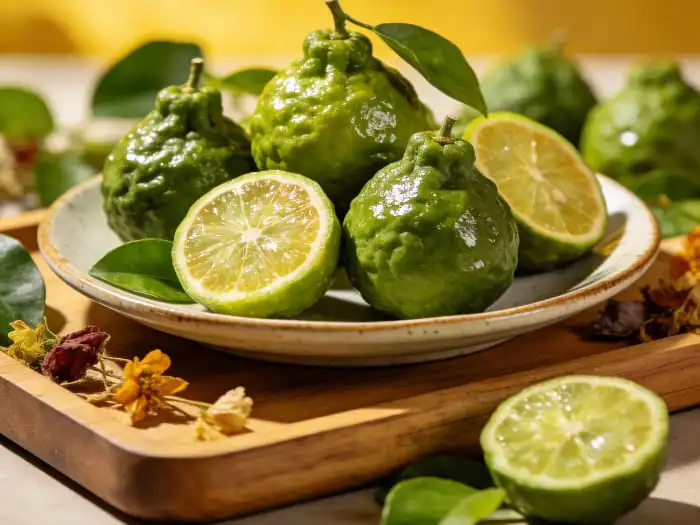
Bergamot extract is derived from the Citrus bergamia fruit, which is one of a kind and only grows in certain parts of the Mediterranean. It's in the family Rutaceae. Calabria, Italy, is still where most of the fruit is grown. That place has great weather and dirt for making the fruit's special chemical profile.
Botanical Source and Cultivation
When bitter orange and lemon types bred with each other by mistake, they made the hybrid species Citrus bergamia. The peel of the fruit has the most useful chemicals, which is why professionals are mostly interested in getting these chemicals out of the peel. Farmers in the Mediterranean have been improving the way they grow plants for hundreds of years to get the most valuable phytochemicals and make sure the quality stays the same for business use.
Extraction Methods and Processing
Today, new extraction methods are used to make bergamot extract that keeps the beneficial chemicals pure. Most of the time, cold pressing is used, which is great for keeping the volatile oil content and flavorful traits. Steam distillation is another way to do it. This is especially useful for pharmaceutical uses that need to target specific chemical patterns.
When companies use modern solvent extraction methods, they can get steady amounts of bioactives like bergamottin, naringin, and neohesperidin. For B2B clients who need the same amount of strength across production runs, these steps are very important. This makes sure the item works well and meets all the rules.
Key Bioactive Compounds
Bergamot extract has medical value because of the complex phytochemical makeup of the oil. Flavonoids like naringin and neohesperidin are good for your metabolism, and coumarins give it its unique smell, which is valuable in makeup and fragrances. Volatile oils that contain limonene and linalool make the mood-balancing effects of the extract even better. This makes it great for recipes that help relieve stress.
A new study has found glycosidic molecules, such as melitidin and brutieridin, that work like manmade statins but don't have the disadvantages that come with them. Bergamot extract is now a key ingredient in goods for heart health that aim to lower cholesterol as a result of this discovery.
Key Benefits and Applications of Bergamot Extract in Industry
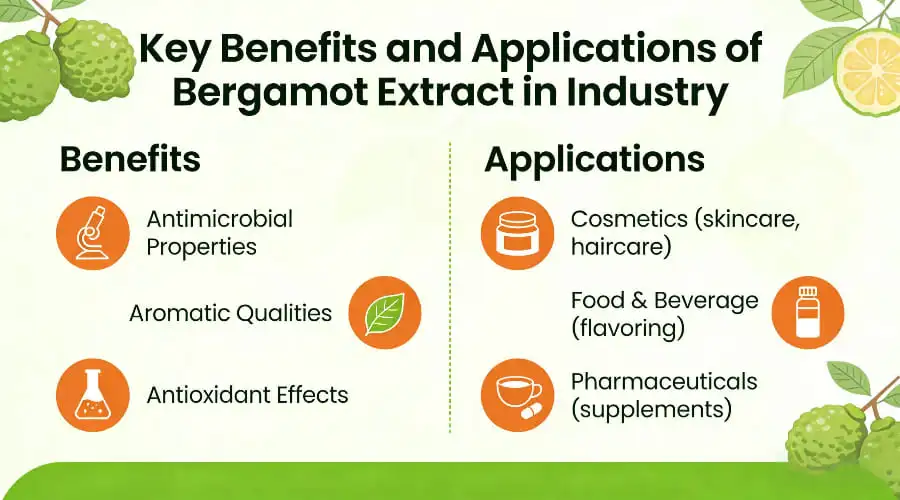
A lot of different businesses can use bergamot extract because it has health benefits that have been proven by science. They have been used in old ways that have been proven and in new ways that help with health and fitness problems in the modern world.
Metabolic Health and Dietary Supplements
Bergamot extract has been shown in clinical tests to help maintain healthy cholesterol levels by acting on HMG-CoA reductase pathways. This natural alternative to man-made statins changes how lipids are used without changing muscles. This makes it a good ingredient for products that protect the heart.
Because it activates AMPK, the extract helps the body use glucose better, which makes it a useful ingredient in goods for metabolic syndrome. Brands of supplements are adding citrus bergamia extract to full metabolic health mixes more and more. To make the effects better, they often mix it with other natural ingredients like chromium or berberine.
Cosmetic and Skincare Applications
Because it reduces inflammation and speeds up the aging process, bergamot extract is great for products that want to better the health of your face. It can naturally lighten skin, which helps with acne and gives gentle, effective benefits that are good for sensitive skin.
Scientists who study cosmetics like the extract because it can help the skin protect itself better and keep things natural. The fragrance chemicals in the formulas make the product smell good and help the body heal. This way, the formulas are useful for two things: they work well and are pleasant to use.
Aromatherapy and Mood Enhancement
Bergamot extract has a unique taste and is known to naturally help people feel better and ease stress. Bergamot oil is used in health products because it has been shown to lower cortisol levels and improve how people feel about stress.
These mood-balancing properties are used by companies that make functional drinks to make new drinks that taste good and are good for you. Because it naturally makes Earl Grey tea taste better, the extract is great for making high-end drinks.
Comparing Bergamot Extract with Other Citrus Extracts
Formulators can make wise decisions based on the needs of the product and how it will be used by understanding the differences between bergamot extract and other citrus-based ingredients.
Bergamot Extract vs. Bergamot Essential Oil
Both goods are made from the same plant, but they are used for different things and aren't the same. Bergamot extract is ideal for use in vitamins and healthy foods because of its concentrated water-soluble chemicals and controlled bioactives. Essential oil is mostly made up of volatile fragrant molecules that work best when used directly or in massage products.
How the split is done also changes the shape of the final result. You keep the flavonoids and other polar chemicals that are good for your digestion when you make an extract. When you make an essential oil, you try to keep the terpenes because they kill germs and give the oil its smell.
Comparison with Other Citrus Extracts
Bergamot extract has advantages over lemon, orange, and grapefruit extracts because of its special phytochemical makeup. This fruit has health benefits that you can't find in other types because it has bergamottin and other unique coumarins. This is why it should be at the top of recipes that focus on health.
Because of its smell, bergamot extract is also not the same as other citrus goods. Its stylish flower and lemon notes make things taste better, especially high-end drinks and makeup, where smell is a big part of why people choose one brand over another.
Organic vs. Synthetic Alternatives
Natural bergamot extract gives scents a sincerity and depth that can't be matched by synthetic ones. A lot of different bioactive chemicals work together to help with healing, while synthetic types are more likely to focus on just one active ingredient and not work as well.
Organic certification helps businesses get customers who care about their health and want to buy natural goods that come from safe sources. Some products have clean labels that make them look more pricey because they can be watched and the quality is guaranteed. Organic bergamot extract fits in with this trend.
Safe Usage and Dosage Guidelines for Bergamot Extract
For responsible use, you need to know the safety profile and right dosage amounts for bergamottin in different product types and delivery methods.
Industry-Specific Dosage Recommendations
Clinical studies back up daily amounts of 500 mg to 1000 mg of a standardized extract that has 25 to 40 percent flavonoids as a food additive. It's clear from these amounts that they work to improve gut health and are safe to use for a long time.
Bergamot extract is typically added to cosmetic formulations at a strength of 0.5 to 2%, depending on the specific use and desired results. More may be used in skin care items that are meant to slow down the aging process. Products for sensitive skin, on the other hand, need to use less of it.
Photosensitivity Considerations
Because bergamot extract has furanocoumarin in it, you should know that it can make you sensitive to light, especially if you put it on your skin. When formulators make goods that people use every day, they have to weigh the therapeutic effects against the chance of phototoxic reactions.
With today's processing methods, the amount of furanocoumarin can be lowered while other helpful chemicals are kept. This makes it safer to use on the skin. If your makeup is for skin that gets a lot of sun, this is something you should really think about.
Regulatory Compliance and Quality Standards
There are different rules that each business must follow when adding bergamot extract. Companies that make supplements need to make sure that their packages have the right information about how much to take. But people who make cosmetics need to check that their items follow local laws and have the right safety tests and ingredient lists.
As part of quality control, tests should be done to look for heavy metals, bacterial contaminants, and the right amount of active substances. These rules make sure the product is safe and works well. They also meet the wants of governments around the world.
Procuring High-Quality Bergamot Extract: A Buyer's Guide
To get good bergamot extract, you need to know where to find sellers, how to judge them, and how the market works, as price and quantity are affected by it.
Supplier Evaluation Criteria
Quality assurance represents the most critical factor in supplier selection for bergamot extract. Reputable suppliers provide comprehensive certificates of analysis that include standard bioactive profiles, contamination testing results, and stability data supporting product shelf life claims.
If a company makes things, certifications like ISO 9001, GMP compliance, and organic certifications show that they care about quality and follow the rules. These credentials let you know that the goods you buy are pure and stable enough to meet the standards of the nutritional and pharmaceutical businesses.
Quality Indicators and Testing Requirements
The best way to tell if bergamot extract is good is to make sure that key bioactives are all the same. They should tell you the exact amounts of flavonoids, coumarins, and other chemicals you need, as well as the testing methods you will use to confirm they are met.
Heavy metal analysis checks for waste that could hurt the quality of the product or make it not follow the rules. Microbiological testing makes sure the product is safe. When solvent extraction is used to make extracts, checking for leftover liquid is needed.
Supply Chain Considerations
The abundance of bergamot extract is impacted by Mediterranean farming practices, and the timing of gathering has an impact on how the supply chain is organized. Buyers can better keep track of their goods and avoid supply problems during times of high demand if they know how things change with the seasons.
Customers can trust that the products they are buying are real, and clean label claims are backed up by proof. These are two things that customers value more and more. When looking for sources, high-end brands want to know that they care about quality and the environment by seeing a clear supply chain.
Conclusion
Bergamot extract is a versatile ingredient that has been shown to work in science. It is used by many companies in the health, beauty, and functional food industries. It is a great choice for making new goods because it has a unique phytochemical profile that blends metabolic health benefits with unique aromatic qualities. To get the most out of this Mediterranean botanical treat, makers must know how to properly remove the plant, check its quality, and use it. They must also make sure that their products are safe and follow the rules.
FAQ
What makes bergamot extract different from other citrus extracts?
Bergamot juice has special chemicals that are good for you that you can't find in other citrus fruits. Bergamottin, melitidin, and brutieridin are a few examples. Because of their unique aromatic properties, these chemicals are great for high-end goods because they have special health benefits for the heart and metabolism.
How should bergamot extract be stored for maximum stability?
Bioactive drugs need to be kept in a cool, dry place that isn't in direct light so they don't break down. Products that are kept in temperature-controlled, locked cases stay fresh longer and keep their quality. This is very important for making sure that the normal amounts of strength are kept for medical and nutritional uses.
What extraction ratios are available for commercial applications?
Different extraction ratios are used for different purposes and useful chemicals. The most common ones are 4:1 to 20:1. Low-ratio extracts keep more chemicals that can be used in makeup and useful foods, while high-ratio extracts are better for use as supplements.
Partner with Wellgreen for Premium Bergamot Extract Solutions
Wellgreen Technology stands as your trusted bergamot extract manufacturer, delivering pharmaceutical-grade botanical ingredients that meet the most demanding industry standards. Our GMP-certified factory makes sure that every batch of products is the same high quality and strength, and we keep very good track of our stock to make sure that you always have the items you need for your recipes.
The full certificates we give your buying teams include organic licenses, heavy metal tests, and microbiological analysis. This gives them the paperwork and quality promise they need. They can help you quickly with R&D and make sure that the recipes for your products are the best they can be. Talk to our experts about your bergamot extract requirements at wgt@allwellcn.com, and find out how our OEM services can help you get your product to market faster.
References
Mollace, V., et al. "Hypolipemic and hypoglycemic activity of bergamot polyphenols: From animal models to human studies." Fitoterapia, 2011.
Nauman, M.C., and Johnson, J.J. "Clinical application of bergamot for reducing high cholesterol and cardiovascular disease markers." Integrative Food, Nutrition and Metabolism, 2019.
Risitano, R., et al. "Flavonoid fraction of bergamot juice reduces LDL-cholesterol in human subjects." Journal of Functional Foods, 2014.
Toth, P.P., et al. "Bergamot reduces plasma lipids, atherogenic small dense LDL, and subclinical atherosclerosis in subjects with moderate hypercholesterolemia." Frontiers in Pharmacology, 2016.
Leopoldini, M., et al. "Antioxidant properties of phenolic compounds: H-atom versus electron transfer mechanism." Journal of Physical Chemistry A, 2011.
Impellizzeri, D., et al. "Anti-inflammatory and antioxidant effects of flavonoid-rich fraction of bergamot juice in a mouse model of intestinal ischemia/reperfusion injury." Frontiers in Pharmacology, 2016.