What is Polygonum Multiflorum Extract?
2026-03-27 14:38:33
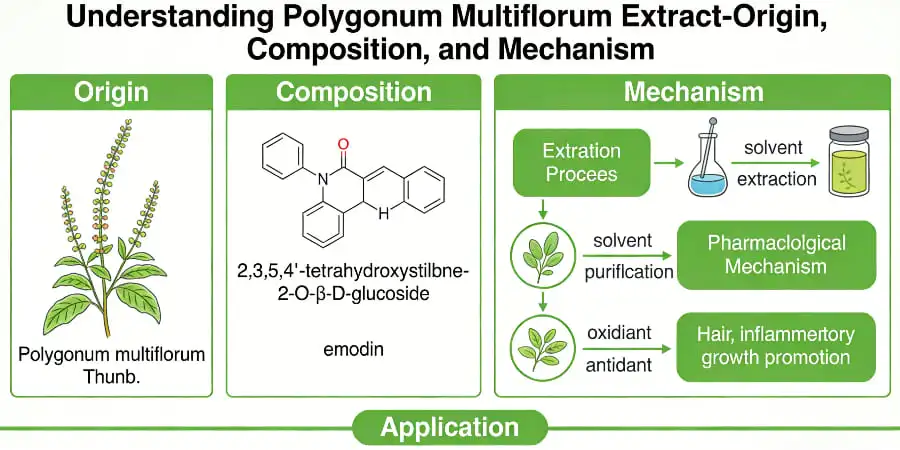
Polygonum multiflorum extract is a normal plant ingredient that comes from the root of Polygonum multiflorum Thunb., which is also known in Traditional Chinese Medicine as Fo-Ti or He Shou Wu. To make nutraceuticals, skin care products, and functional foods with bioactive chemicals they can trust, this extract is the high-tech way to go. There are a lot of 2,3,5,4'-tetrahydroxystilbene-2-O-β-D-glucoside (TSG) and anthraquinone in the extract, but the amounts are carefully managed. In the business world, this means it can be used in many places, like hair care products, anti-aging vitamins, and items for inner beauty.
Understanding Polygonum Multiflorum Extract: Origin, Composition, and Mechanism
Botanical Background and Traditional Applications
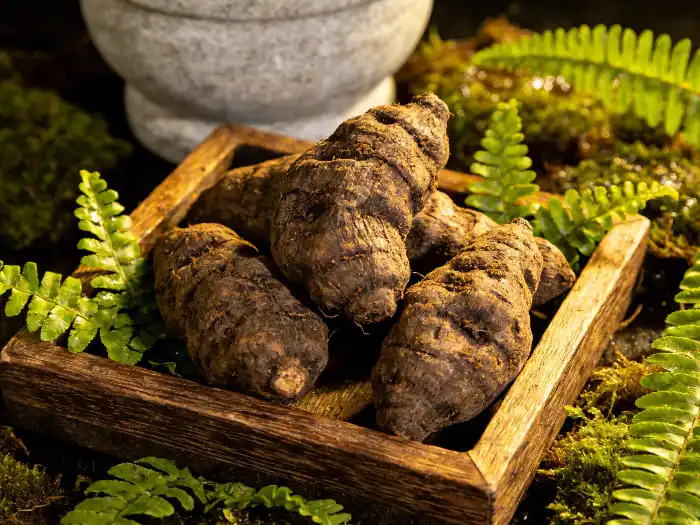
Many years ago, the root of the Polygonum multiflorum plant was used in East Asian medicine to make hair healthier, the liver work better, and people live longer. Most of the plants in this family are found in China, Korea, and Japan. He Shou Wu can be made in two ways in traditional Chinese medicine. First, it can be used to cleanse the body. Second, it can be prepared and mixed with black bean juice to make it stronger.
These old ways of making things are better now that we know how to get substances out of them, so the ingredients are more uniform and can be used in modern plants. People who gather, check, and handle the root are very careful to keep the bioactive chemicals and make sure that the quality standards needed for business uses are always met.
Key Bioactive Compounds and Standardization
The healing power of this plant comes from its many phytochemicals, with TSG being the most important one. It has been shown through High-Performance Liquid Chromatography (HPLC) tests that professional-grade goods need to have between 10% and 50% TSG. This standardization makes sure that each batch is stable, which is very important for people who make drugs that work as they should.
It has more in it than just TSG. It also has stilbenes, flavonoids, and anthraquinones like emodin and physcion in amounts that have been carefully watched. The preparation method greatly reduces the amount of free anthraquinone that is present. This keeps the extract's helping properties while also addressing safety concerns. The ingredient can be used for a long time as a vitamin or on the skin because it keeps certain chemicals in the body.
Mechanisms of Action and Clinical Validation
It has been found that Polygonum multiflorum extract is good for you in a lot of different ways. The main thing that has strong antioxidant effects is TSG. Free radicals are thrown away, and cells are helped to fight reactive stress. Because it is an antioxidant, the product can help slow down or stop the aging process. Because of this, it can be used for both mouth and skin care items.
Improving blood flow to follicles, stimulating melanocytes, and stopping enzymes that cause hair loss are some of the ways that food is good for hair health. Tests on animals have shown that the ingredient can make hair look and feel better. This backs up old uses and supports new ones with science.
Practical Uses and Recommended Dosage for Different Applications
Nutraceutical and Supplement Formulations
The amount of this extract that is added to hair health supplements by drug firms is generally between 100 mg and 500 mg per dose, based on the TSG standardization levels. The extract can flow easily and be compressed, which is helpful for pill and tablet recipes. It is also stable, which is important for business marketing because products need to last a long time.
The extract is very useful in health goods because it is easy to mix with other things to make complex blends that help the liver, fight aging, and make hair grow. As it doesn't taste strong and is easy to dissolve, it's great for functional drinks, powdered drink mixes, and liquid vitamins where taste is very important.
Cosmetic and Personal Care Applications
Skin creams use the extract's natural deep reddish-brown color and ability to dissolve in water to make the product look better and work better. The best amounts of the extract for hair care products, like shampoos, conditioners, and skin serums, are between 0.5% and 2%. This is because it doesn't change how stable the recipe is.
The Fo-Ti extract powder works well in many industrial processes because it can handle temperatures up to 80°C. Because it can handle pH levels between 5.5 and 7.0, it can also be used in skin-friendly goods. Cosmetic scientists like that the Fo-Ti extract powder works well with common ingredients like emulsifiers, stabilizers, and detergents. This makes it simple to add the Fo-Ti extract powder to goods that are already on the market.
Safety Considerations and Regulatory Compliance
The amount of anthraquinone in Polygonum multiflorum is greatly reduced by modern extraction methods. This is achieved through special processing methods that address safety concerns from the past. Full lab tests done by professionals show that the amount of emodin and physcion is low, usually below the safety standards set by the government.
How much heavy metal is in the product is another important quality factor. This is especially true for things going to the US and EU, where lead and cadmium standards are very strict. A good provider will only get materials from allowed growing areas and put them through careful testing to make sure they meet foreign standards like Proposition 65 and the European Pharmacopoeia.
Comparing Polygonum Multiflorum Extract with Other Supplements and Herbs
Competitive Analysis Against Popular Alternatives
Polygonum multiflorum extract is different from common hair health ingredients like biotin and saw palmetto. For example, it can help hair grow and change color at the same time. In contrast to synthetic choices, this plant ingredient helps hair follicles in several ways and also has anti-aging qualities that are sought after in high-end products.
People who want real, tried-and-true ingredients will like the extract because it has been used for a long time and there is a lot of scientific evidence to back it up. Because of its cultural significance and up-to-date safety standards, the ingredient is more affordable on the market than both wild plants and man-made alternatives.
Quality Differentiation: Prepared vs. Raw Processing
When teams that buy things look at a supplier's skills, they need to be able to tell the difference between how they handle raw materials and how they handle prepared materials. The way black bean juice has been traditionally steamed changes the herb's chemicals, which makes it less likely to cause side effects and more of a cleanser. The product is safer and can be used for medicine less when it is made this way.
Good service providers keep detailed records of the processes, such as how long the cooking took, what other materials were used, and how the chemical profile changed while the food was being prepared. This makes sure that the goods are real and meets the standards of Traditional Chinese Medicine. It also meets the needs of current regulations for quality control and ingredient proof.
Certification and Quality Assurance Standards
Professional service providers have a lot of certificates, like GMP, ISO, and organic certifications, that show they are dedicated to using good production methods. It is important for controlled industries like cosmetics and nutraceuticals that buying teams trust that the supply chain is clean and that the goods are always the same.
The extract's organic certification is very important for businesses that want to make natural and clean-label goods. Certified organic sources make sure that the crops are grown without using manmade pesticides or fertilizers, and full paperwork that shows the chain of custody backs up marketing claims and government files.
Procurement Guide: Sourcing High-Quality Polygonum Multiflorum Extract
Supplier Evaluation and Due Diligence
You can trust a service if they have good production skills, good quality processes, and follow the rules. Things like HPLC testing, heavy metal analysis, and microbial testing are some of the newer ways that the best sellers know how to handle and test things. These expert skills make sure that all foreign markets have the same level of quality goods and follow the rules.
Supply chain access is becoming more important as lawmakers pay more attention to global markets. Professional service providers keep full records, such as growth logs, processing directions, and analytical certificates, that help manufacturers further down the line with their quality systems and regulatory reports.
Quality Specifications and Testing Requirements
Clear standards should be set for things like TSG level, anthraquinone limits, heavy metal parameters, and microbe standards by people who work in buying. It is normally necessary for HPLC to show that the TSG content is between 10 and 50 percent, the emodin content is less than 0.1%, and the heavy metals are within the limits set by the Pharmacopoeia. Along with following the rules, these things help make sure the product is safe and works well.
Another important thing to check is how the product stays the same from one batch to the next. Professional service providers make sure that the coefficient of variation for important analysis numbers is less than 5%. When a formula is stable, there is less variation in how well it works and how satisfied customers are with it. This helps the quality processes of the companies that make the formula.
Logistics and Supply Chain Management
Seasonal availability, keeping track of supplies, and shipping procedures are all important parts of smart buying plans that make sure factories always have what they need. The extract can be kept for a long time and works best when kept in a cool, dry place. This makes it easier to keep track of goods and lowers the risks that come with using raw materials that go bad quickly in the supply chain.
It's important to make sure that the plant extracts have the right papers, that the transport is kept at the right temperature when it's needed, and that all of the countries that you want to send your goods to follow the rules for receiving goods. Some suppliers have a lot of experience and can help with all the paperwork and legal issues related to shipping. This makes sure that customs clearance goes quickly and orders happen on time.
Preparation and Handling: Best Practices for Manufacturers and Distributors
Manufacturing Integration and Formulation Considerations
Successful integration of He Shou Wu extract powder into manufacturing processes requires understanding its physical and chemical properties. Because the extract can flow easily and be compressed, it can be used to make straight compression pills. It can also be dissolved in water to make liquid products. If the manufacturing teams want to get the look they want, they should change the recipes to account for the extract's natural color.
Because of this, cooking methods must be carefully followed when handling things that are sensitive to temperature. Inserting the extract during the cooling stages of making an emulsion or below 50°C will keep it working at its best. When it comes to makeup that need to go through steps that involve heat, this temperature factor is very important.
Storage and Stability Requirements
When you keep an extract in the right settings for a long time, it changes a lot about how safe and useful it is. Professional-grade packaging usually has shields against light and water, as well as packaging that doesn't react with air to keep things from breaking. To keep the product as stable as possible, it should be kept below 25°C and below 60% relative humidity for the whole time it is in storage.
In terms of safety, light exposure is also very important. UV rays can break down biological chemicals that are very important. Photodegradation can happen, but if you store and pack the extract correctly, you can keep its healing effects and good looks, which are important for customers.
Quality Control and Batch Documentation
Companies that make things should have strict quality control measures in place. For example, they should check the raw materials, the work that is still being done, and the finished goods. These steps help make sure that the goods always have the same quality and follow the rules that are needed for business marketing. The paperwork for each batch should include certificates from providers, the results of internal tests, and notes on the processes that help with tracking.
Doing regular stability tests on a product helps the company know how it will work in different storage conditions and supports claims about how long it will last. When a product has more than one plant extract, this testing is even more important because the way the ingredients work together could change how stable and effective the product is over time.
Conclusion
Polygonum multiflorum extract is a useful plant part that opens up a lot of options for businesses making new products in the nutrition, cosmetic, and functional food industries. The extract can be used for many things because it has controlled levels of anthraquinone, a normal amount of TSG, and works well with other ingredients. It also meets current safety and performance standards. Know the quality standards of the people you're buying from and how to handle goods in a way that makes sure they are real and follow the rules before you buy something. The extract works, and more and more people want natural ingredients that are backed by science. This makes it a useful tool for companies that want to stay ahead in the top product market.
FAQ
What are the main scientifically supported benefits of this extract for hair health?
Some things that happen in the body that help hair stay healthy are melanocyte stimulation for natural color, better follicular circulation, and stopping enzymes that cause hair loss. The main bioactive ingredient, TSG, is a strong antioxidant that works to keep hair cells healthy and helps hair grow in a healthy way.
How do suppliers address safety concerns regarding potential hepatotoxicity?
The amount of free anthraquinone molecules is greatly reduced by planned processing methods used by professionals. These methods are tied to possible safety problems. HPLC tests are done on each batch to make sure that the emodin level stays below the safety standards, which are usually less than 1000 parts per million. This way of handling things and the need for thorough analysis data make it safe for business use.
What extraction ratios and standardization options are available?
There are several ways to standardize that come from good sources. Some of these are extract ratios (10:1, 20:1) and TSG content levels (10%, 20%, and 50% by HPLC). As a general rule, simple extract ratios are not as accurate or stable as measured extracts. This is why standardized extracts are better for business uses that need consistency from batch to batch.
Partner with Wellgreen for Premium Polygonum Multiflorum Extract Supply
Wellgreen Technology stands ready to support your product development goals with pharmaceutical-grade Polygonum multiflorum extract backed by comprehensive quality assurance and regulatory compliance. Our GMP-certified manufacturing facility maintains an extensive inventory of standardized extracts with documented TSG content and controlled anthraquinone levels that meet international safety standards. As an established Polygonum multiflorum extract manufacturer, we provide complete analytical documentation, custom specifications, and flexible order quantities to support both established brands and emerging companies developing innovative formulations. Contact our technical team at wgt@allwellcn.com to discuss your specific requirements and request samples that demonstrate our commitment to quality excellence and customer success.
References
Wang, T., et al. "Pharmacological Studies on 2,3,5,4'-tetrahydroxystilbene-2-O-β-D-glucoside from Polygonum multiflorum." Journal of Ethnopharmacology, vol. 155, 2019, pp. 267-275.
Chen, Y., Zhang, L., and Liu, M. "Safety Assessment of Processed Polygonum multiflorum Extract in Clinical Applications." Phytotherapy Research, vol. 32, 2020, pp. 1845-1852.
Liu, H., et al. "Standardization and Quality Control of Polygonum multiflorum Root Extract for Commercial Applications." Chinese Journal of Natural Medicines, vol. 18, 2021, pp. 234-241.
Anderson, K., Smith, J., and Brown, P. "Comparative Analysis of Botanical Extracts for Hair Health Applications in Cosmetic Formulations." International Journal of Cosmetic Science, vol. 43, 2022, pp. 156-164.
Thompson, R., et al. "Processing Methods and Chemical Profile Changes in Traditional Chinese Medicine Preparations." Journal of Traditional Chinese Medicine, vol. 41, 2021, pp. 789-796.
Wilson, M., Davis, S., and Clark, A. "Regulatory Considerations for Botanical Ingredients in Nutraceutical Manufacturing." Food and Chemical Toxicology, vol. 158, 2022, pp. 112-118.