What Makes Oregano Powder Feed Grade Suitable for Animal Nutrition?
2026-09-14 15:09:10
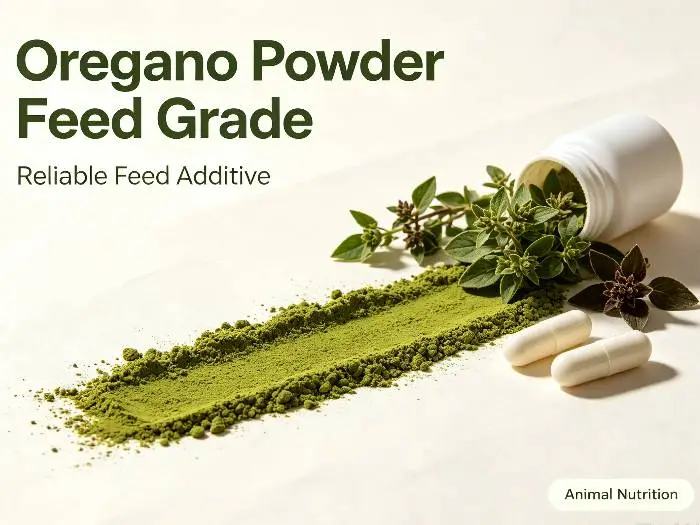
Oregano Powder Feed Grade is a standardized botanical feed ingredient derived from Origanum vulgare, produced through controlled drying, milling, and quality-verified processing. Unlike culinary oregano, it is engineered specifically for animal nutrition applications, with tighter specifications around microbial safety, particle uniformity, batch consistency, and compatibility with premix and complete feed systems. Its naturally occurring phenolic compounds — primarily carvacrol and thymol — deliver measurable antimicrobial, antioxidant, and gut-supportive activity across poultry, swine, ruminants, aquaculture, and pet food formulations, making it one of the most versatile phytogenic feed additives available in the global animal nutrition market today.
Understanding Oregano Powder Feed Grade and Its Role in Animal Nutrition
The animal feeding business is going through a big change. Regulatory bodies in the EU and the US have slowly limited the preventative use of antibiotic growth promoters (AGPs). This has forced nutritionists and feed formulators to look for plant-based alternatives that have real biological activity.
Oregano Powder Feed Grade is in the middle of this change. It is made from verified Origanum vulgare material and processed under controlled conditions. It keeps the same phytochemical profile, which includes rosmarinic acid derivatives, volatile terpenoids, and polyphenols. The two main phenolics, carvacrol and thymol, have been studied a lot for their ability to damage bacterial cell membranes, lower oxidative stress in gut epithelial tissue, and change natural immunity pathways.
How Bioactive Compounds Drive Performance?
Several peer-reviewed research have shown that carvacrol is effective against a wide range of bacteria, such as Escherichia coli, Salmonella spp., and Clostridium perfringens. Thymol adds to this by protecting the mucosa and lowering inflammation in the gut. Together, these chemicals deal with two of the biggest problems in raising livestock for profit: the spread of intestinal diseases and the fact that animals don't always grow at the same rate. They do this without making bacteria more resistant to antibiotics.
Benefits of Using Oregano Powder Feed Grade in Livestock Nutrition
Formulators who work with poultry, pigs, and ruminants are becoming more and more aware of how useful it is to include a well-standardized herbal powder in their feed programs. The advantages go far beyond simple antibacterial support.
Here are some of the most important ways that Oregano Powder Feed Grade improves performance:
- Enhanced gut health and barrier function: Carvacrol and thymol support villus morphology and lower intestinal permeability, which directly links to better nutrient absorption and a lower incidence of subclinical enteritis in chickens and piglets that are weaning.
- Antioxidant activity in feed and tissue: The phenolic content of oregano helps neutralize free radicals both in the feed matrix and in animal cells. This lowers lipid oxidation in meat products and keeps fat-containing feed blends fresh longer on the shelf.
- Natural AGP replacement support: As limits on AGPs around the world get stricter, oregano-based phytogenics provide a clean-label, legal way to keep group and herd performance high without using synthetic growth promoters.
- Palatability and aromatic appeal: The unique smell of oregano has been linked to animals eating more, especially young animals whose guts are still being colonized.
These benefits solve real problems that procurement leaders and product developers have when they have to change feed programs to fit new legal frameworks. A well-selected plant additive can lower the need for synthetic inputs while keeping or even better output results. This is a strong case for any U.S. feed maker.
Comparison of Oregano Powder Feed Grade with Other Feed Additives
It is important to know how Oregano Powder Feed Grade differs from other similar ingredients because the differences matter when making decisions about preparation and purchasing.
Carvacrol and thymol are very concentrated in oregano essential oil, but the liquid form makes it harder to keep from going bad, makes it harder to mix with other oils, and costs more per unit for large-scale uses. The powdered format gets around these problems by turning the volatile oil parts into a stable, free-flowing matrix that works well with both premix and pelleted feed systems.
Feed Grade vs. Food Grade vs. Botanical Extract
The oregano powder used in cooking is not the same as the Oregano Powder Feed Grade. Feed-grade material also has to meet certain requirements, such as controlled heavy metal levels, microbial limits that are in line with feed safety standards, a checked particle size distribution for even mixing, and proof that the material can be tracked from harvest to final product. Botanical oregano extracts that are standardized to specific carvacrol amounts are more powerful, but they may need to be encapsulated for stability and cost more. Overall, feed-grade whole herb powder is a good compromise because it is easy to get, doesn't cost much, and works with most standard feed making equipment.
Other phytogenic ingredients like thyme, rosemary, and yucca extract are compared to oregano powder, which has a much better antibacterial to antioxidant activity ratio. It also works well with these plants in composite phytogenic formulations, which is an area where North American feed manufacturers are starting to use more multi-ingredient solutions.
Practical Guidelines for Procurement and Use of Oregano Powder Feed Grade
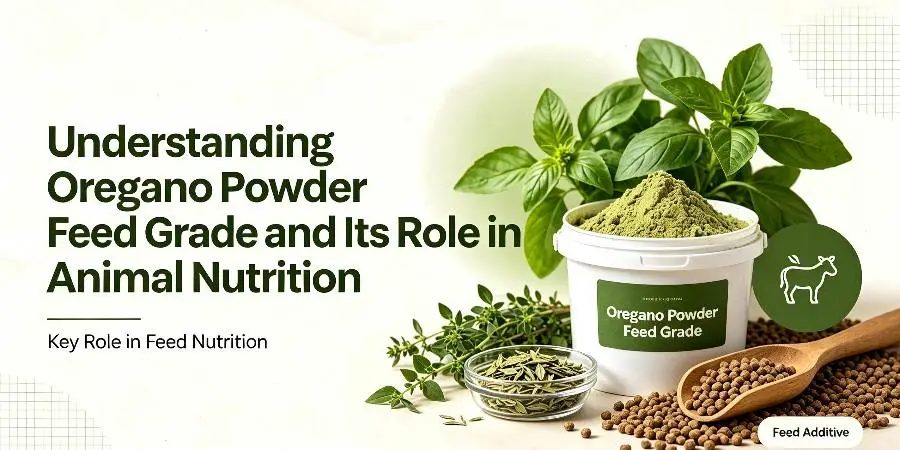
When adding any botanical ingredient to commercial feed programs, it's important to pay attention to the dosage, specifications, and records. Oregano Powder Feed Grade is usually added at a rate of 0.5% to 2.0% of the total feed weight, though this can change depending on the species, the stage of production, and the health goals of the mixture.
Key Procurement Criteria for B2B Buyers
Before making a deal with a seller, sourcing teams and legal managers should make sure of the following:
- Plant species confirmation: Origanum vulgare was sourced from a reliable source, as shown by botanical identity testing.
- Active compound consistency: Certification of Analysis (COA) reports that all batches have the same amount of carvacrol and thymol.
- Contaminant controls: Pesticide residue, heavy metal, and bacterial data were all in line with what the FDA expects for feed safety.
- Particle size and flowability: Size and flowability of particles are very important for making sure that premix and complete feed blending systems distribute the material evenly.
- Regulatory documentation: Feed-grade compliance documents, FAMI-QS status, and export certification for international supply chains are all examples of regulatory documentation.
To keep the integrity of volatile compounds in Oregano Powder Feed Grade, they should be stored in a cool, dry, and dark place. Generally, properly stored feed-grade powder can be kept for up to 24 months under the suggested storage conditions. Batch tracking records help with QA checks and keeping the supply chain going so that there is no risk of changing specifications between orders.
Why Partnering with Trusted Oregano Powder Feed Grade Suppliers Benefits B2B Clients?
Reliability in the supply chain is not an afterthought; it is a core business risk. When the quality of the raw materials isn't consistent, it affects the performance of the animals, the number of complaints from customers, and the trustworthiness of the feed makers' brands. That risk changes if you choose a supplier who sees Oregano Powder Feed Grade standards as a minimum rather than an ideal.
Reliable suppliers put money into testing equipment that has been checked out, keep their records clear, and offer expert support during the development of new formulations. They meet the needs of OEM and private-label manufacturers, offer a range of particle sizes to work with different blending machines, and keep an inventory deep enough for large-scale buying programs. These skills aren't available to everyone, and they set key supply partners apart from commodity sellers.
This is how Wellgreen Technology works. They have a lot of experience making plant extracts and animal feeding products for B2B clients in the U.S. and other countries.
Conclusion
Today, Oregano Powder Feed Grade is used to feed animals because it has a well-known bioactive profile and can also be used in industry. Its carvacrol and thymol content helps keep the gut healthy, fights off microbes, and protects against free radicals in many species. Its powdered form works well with both premix and full feed methods. It is a reliable ingredient in any phytogenic additive program if it comes from a provider with strict quality standards and full paperwork. It also helps with clean label goals and AGP-reduction strategies at the same time.
FAQ
What is the difference between feed-grade and food-grade oregano powder?
More strict rules are used to make Oregano Powder Feed Grade than food-grade oregano powder. These rules include tighter controls on heavy metals, microbe load, particle size, and batch tracking. The way it's made makes it work with both premix and full feed production methods.
Which animals benefit most from oregano-based phytogenic additives?
The most consistent responses have been seen in peer-reviewed literature in poultry and weaning piglets, especially in terms of gut health and growth performance metrics. Animals used for farming, ruminants, and pets are also actively supported for study.
How should feed-grade oregano powder be stored?
It is normal for storage to be cool, dry, and dark. Heat, wetness, or direct light can break down volatile phenolic substance, which means that the product will work less well over time.
Can oregano powder be combined with other phytogenic ingredients?
Yes. It works well with yucca extract, rosemary, and thyme in composite phytogenic formulations. Wellgreen can help with special mixes of multiple plants if asked.
What certifications should a reliable supplier hold?
As basic quality signs, look for FAMI-QS, ISO 22000, HACCP, HALAL, and KOSHER paperwork, along with batch-specific COA and contamination testing records.
Partner with Wellgreen for Reliable Oregano Powder Feed Grade Supply
Wellgreen Technology makes plant extracts and animal nutrition ingredients professionally. They have a GMP-certified center, a large store, and full certification support for FAMI-QS, ISO 22000, and HACCP. We are a reliable Oregano Powder Feed Grade provider that provides OEM services, a range of particle sizes, and batch paperwork that meets the standards for foreign buying. You can contact our team at wgt@allwellcn.com or go to wellgreenherb.com to get samples or talk about your product needs.
References
1. Bampidis, V. A., & Robinson, P. H. (2006). Citrus by-products as ruminant feeds: A review. Animal Feed Science and Technology.
2. Windisch, W., Schedle, K., Plitzner, C., & Kroismayr, A. (2008). Use of phytogenic products as feed additives for swine and poultry. Journal of Animal Science, 86(14 Suppl), E140–E148.
3. Zeng, Z., Zhang, S., Wang, H., & Piao, X. (2015). Essential oil and aromatic plants as feed additives in non-ruminant nutrition. Journal of Animal Science and Biotechnology, 6(1), 7.
4. Burt, S. (2004). Essential oils: Their antibacterial properties and potential applications in foods. International Journal of Food Microbiology, 94(3), 223–253.
5. Giannenas, I., Florou-Paneri, P., Papazahariadou, M., Christaki, E., Botsoglou, N. A., & Spais, A. B. (2003). Effect of dietary supplementation with oregano essential oil on performance of broilers after experimental infection with Eimeria tenella. Archives of Animal Nutrition, 57(2), 99–106.
6. Hashemipour, H., Kermanshahi, H., Golian, A., & Veldkamp, T. (2013). Effect of thymol and carvacrol feed supplementation on performance, antioxidant enzyme activities, fatty acid composition, digestive enzyme activities, and immune response in broiler chickens. Poultry Science, 92(8), 2059–2069.