Where to buy Bergamot Extract?
2026-04-07 14:20:21
Procurement managers can get bergamot extract for industrial uses from a number of reputable sources, such as specialized botanical ingredient makers, certified dietary supplement sellers, and well-known cosmetic ingredient wholesalers. To meet legal requirements in the nutraceutical, medicinal, functional food, and cosmetics industries, it is important to find providers of standardized Citrus bergamia extracts with the right licenses, uniform quality standards, and full documentation.
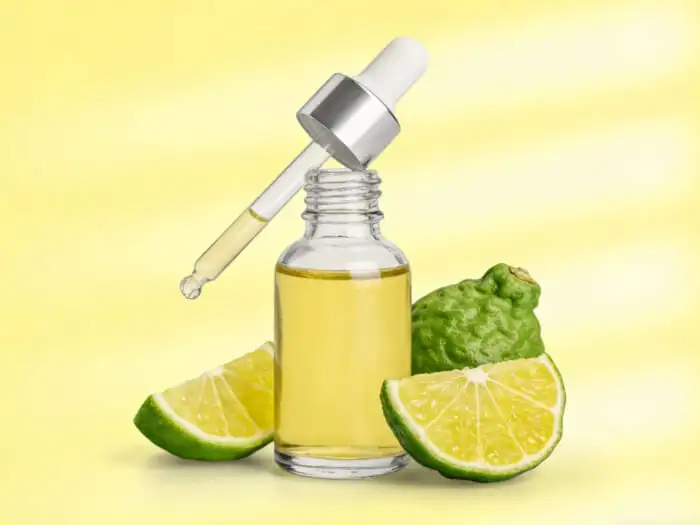
Understanding Bergamot Extract: Key Insights for Procurement Managers
Bergamot extract comes from the peel of the Citrus bergamia plant, which is in the Rutaceae family and is mostly grown in Italy's Calabrian area. This valuable plant ingredient is different from regular citrus extracts because it has a lot of medicinal substances, such as coumarins, flavonoids, and volatile oils. Today's methods for extracting citrus fruits focus on gathering the Bergamot Polyphenolic Fraction (BPF). This part of the fruit contains special flavonoids like neoeriocitrin, naringin, and neohesperidin, as well as statin-like glycosides melitidin and brutieridin.
Natural Origin and Composition Profile
The extract can be used as a medicine because it has a complicated phytochemical structure. Bergamot extract powder is different from bergamot essential oil, which is made from cold-pressed leaves. It goes through a lot of complicated steps to make sure that the bioactive content is the same and that reactive furanocoumarins are kept to a minimum during processing. Standardization solves important problems in the industry, like accuracy from batch to batch and recipe stability.
Applications Across Multiple Industries
Traditional uses for digestive comfort and mood improvement have changed into metabolic health support uses that are based on research. Researchers have shown that the substance can change how cholesterol is used by activating the AMPK pathway and blocking CETP. This means that it can be used instead of manmade statins without the risks of myopathy.
Safety Parameters and Regulatory Considerations
The people in charge of buying things need to check the amount of furanocoumarin that is in the product, especially when it comes to skin uses where photosensitivity is a worry. The difference between peel-only extracts and whole-fruit products has a big effect on both safety ratings and following the rules in different places.
Essential Criteria for Selecting Bergamot Extract Suppliers
When choosing a supplier, you need to look at their manufacturing skills, quality systems, and records of legal compliance. Because processing bergamottin is so complicated, you need people who know a lot about citrus-derived plants and normal extraction methods.
Certification and Quality Standards Verification
GMP (Good Manufacturing Practice) approval is the minimum standard for companies you can trust. Implementing HACCP and ISO 22000 for food safety management also shows a dedication to thorough quality control. Organic approvals (USDA Organic, EU Organic) are needed for clean-label products that are aimed at high-end consumers.
Technical Specifications and Analytical Capabilities
Suppliers must give thorough reports of analysis that include tests for bacteria, chemical residues, heavy metals, and standard bioactive markers. To meet the needs of a wide range of formulations, advanced providers offer unique extraction ratios, specific polyphenol concentrations, and particle size distributions.
Supply Chain Reliability and Traceability
Because bergamot grows only in Calabria, it is very important that the supply line is clear. Leading suppliers work directly with Italian farmers to make sure they get real products and can plan their yearly supplies. Traceability systems should be able to keep track of materials from the orchard to the end packaging. This would help with quality probes and governmental checks.
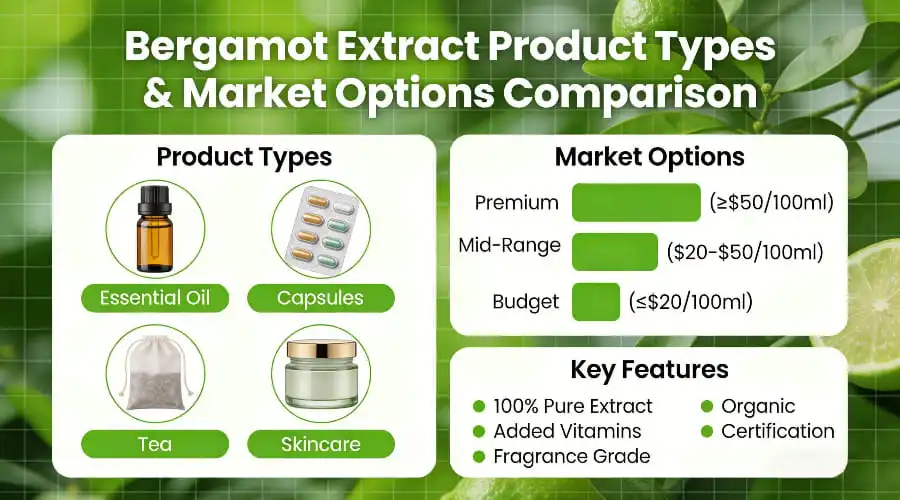
Comparison of Bergamot Extract Product Types and Market Options
There are different types of bergamot ingredients on the market, and each one is made for a specific use or processing need. By knowing these differences, you can choose the best material for the job based on its intended use and the limitations of the recipe.
Extract Types and Processing Methods
Standard bergamot extracts usually have between 5 and 10 percent polyphenols, which is enough for most uses. High-potency extracts with 25–40% polyphenolic content are used in pharmaceutical and nutritional processes that need a lot of bioactivity. Water-soluble types use cyclodextrin addition or spray-drying methods to make them easier to mix with water.
Powder Versus Liquid Formulations
Powder types are better for buying in bulk because they last longer on the shelf and cost less to ship. Liquid extracts are easier to dissolve right away, but they need to be stored in a certain way and used more quickly. Powder versions are more stable in normal warehouse settings, which means that they can be used for longer periods of time.
Organic and Conventional Options
Organic citrus bergamia extract costs more, but it lets companies make clean label claims that customers want more and more. Conventional extracts are cheaper for uses that need to save money, but they still have the same chemical qualities. The approval fee is usually 15–25% more than the regular price. This is okay because it helps the company stand out in the market.
Where to Buy High-Quality Bergamot Extract: Trusted Global Suppliers and Channels
To find reliable buying methods, you need to know how the global supply chain works and be able to spot established players who have a history of processing and distributing bergamot.
Certified Manufacturers and Direct Sourcing
The most original and easily tracked bergamot ingredients come from main producers in Italy, especially those near growing areas in Calabria. Most of the time, these sellers offer the highest quality standards and can meet the unique extraction needs of big buyers.
Specialized Botanical Ingredient Distributors
Regional wholesalers play important roles in helping businesses get into local markets, follow rules, and get expert help. Established wholesalers keep extra stock on hand, which lets them deliver faster and require smaller minimum orders than buying directly from manufacturers.
Digital Procurement Platforms and B2B Marketplaces
Digital platforms that bring together multiple providers and let you compare specifications are being used more and more in modern buying. These tools make the process of buying easier and make prices and availability clear across all providers and areas.
Strategic Partnership Considerations
Long-term supply deals with qualified manufacturers keep prices stable and give customers first access when supplies are low. Partnership agreements often include working together on technology, making unique products, and having exclusive rights to certain areas that help the business stand out from its competitors.
Strategic Procurement Tips: How to Ensure Quality, Cost-Effectiveness, and Reliability?
To get the best results from buying, you need to be organized about how you evaluate suppliers, negotiate contracts, and keep up with your relationships with them. These methods lower the risks in the supply chain and raise the value in terms of quality, cost, and service.
Product Verification and Testing Protocols
Testing by a separate lab verifies what the seller says and makes sure that quality standards are always met. A third party should check the polyphenol content, microbial safety, heavy metal levels, and real plant identification using methods such as DNA barcoding and HPLC fingerprints.
Negotiation Strategies for Volume Purchasing
Cost savings are big when you commit to a certain amount of work, especially when you sign a yearly contract that covers more than one output batch. Flexible shipping plans help make the best use of working capital while still making sure that there is enough inventory. By negotiating payment terms, you may be able to get more cost savings through early payment deals or longer payment terms.
Private Label and Custom Formulation Services
OEM partnerships open up new market possibilities by letting custom-branded bergamot extract goods have their own brands. These agreements help businesses stand out from their competitors by using their suppliers' knowledge of developing new formulas and following rules. Revenue-sharing methods make sure that both the buyer and the seller are interested in growing.
Conclusion
To successfully buy bergamot extract, you need to carefully evaluate suppliers, be clear about what you want, and build smart partnerships. Because of the ingredient's unique properties and limited regional availability, it needs to be sourced carefully and with specialized knowledge to ensure quality, compliance, and supply continuity across a wide range of industry uses.
FAQ
What safety considerations apply to bergamot extract in cosmetic products?
Because it might be photosensitive, furanocoumarin amount in bergamot extract used in cosmetics needs to be carefully checked. For leave-on goods, suppliers should show bergapten and bergamottin levels that are less than 15 parts per million (ppm). Labeling and usage directions that are correct make sure that consumers are safe and that regulations are followed.
How can buyers verify bergamot extract authenticity and quality?
Authentication uses several analytical methods, such as HPLC polyphenol profiling, microscopic analysis to confirm plant identity, and isotope ratio tests to prove location. Suppliers should give full certificates of analysis and keep full records of where the product came from and how it was made.
What shipping and payment options are available for international bulk orders?
International bergamot extract shipments typically use FOB or CIF terms and come in special packaging to keep the wetness out. There are different ways to pay, such as letters of credit for new customers, wire transfers for existing customers, and trade financing choices for big sales. Shipments take between 2 and 4 weeks to get from one place to another.
Partner with Wellgreen for Premium Bergamot Extract Supply
Wellgreen Technology is a reliable company that makes bergamot extract. They use cutting-edge extraction methods and strict quality controls to make sure they only use high-quality plant ingredients. Our plant is GMP-certified and keeps a large stock of standardized bergamot extracts. This lets us quickly fill both large orders and specific requests. Wellgreen gives your formulations the dependability and experience they need with a wide range of testing options, full legal paperwork, and flexible OEM services. Get in touch with our expert team at wgt@allwellcn.com to talk about your unique bergamot extract requirements and find out how our supply chain excellence can help you make your product development more successful.
References
Mollace V, Sacco I, Janda E, et al. "Hypolipemic and hypoglycaemic activity of bergamot polyphenols: from animal models to human studies." Fitoterapia Journal of Natural Products Research, 2011.
Gliozzi M, Walker R, Muscoli S, et al. "Bergamot polyphenolic fraction enhances rosuvastatin-induced effect on LDL-cholesterol, LOX-1 expression and protein kinase B phosphorylation." International Journal of Cardiology, 2013.
Risitano R, Currò M, Caccamo D, et al. "Flavonoid fraction of Bergamot juice reduces LPS-induced inflammatory response through SIRT1-mediated NF-κB inhibition." PLoS One Biochemical Research, 2014.
Nauman MC, Johnson JJ. "Clinical application of bergamot (Citrus bergamia) for reducing high cholesterol and cardiovascular disease markers." Integrative Food, Nutrition and Metabolism, 2019.
Impellizzeri D, Bruschetta G, Di Paola R, et al. "The anti-inflammatory and antioxidant effects of bergamot juice extract in an experimental model of inflammatory bowel disease." Clinical Nutrition Research, 2015.
Leopoldini M, Malaj N, Toscano M, et al. "On the inhibitor effects of bergamot juice flavonoids binding to the 3-hydroxy-3-methylglutaryl-CoA reductase enzyme." Journal of Agricultural and Food Chemistry, 2010.