Where to Find Bulk Agaricus Bisporus Powder for Commercial Use?
2026-04-27 14:55:02
You should look for approved companies that deal with plant-based products before you look for places you can trust to buy organic Agaricus bisporus powder. Most of the time, good providers have GMP-certified facilities, offer testing by an open and honest third party, and show proof of how consistent batches are with each other. People who are in charge of buying things for their businesses should look for sellers who have full organic certifications, established supply lines, and technical support services that can help them make the right kind of recipes.
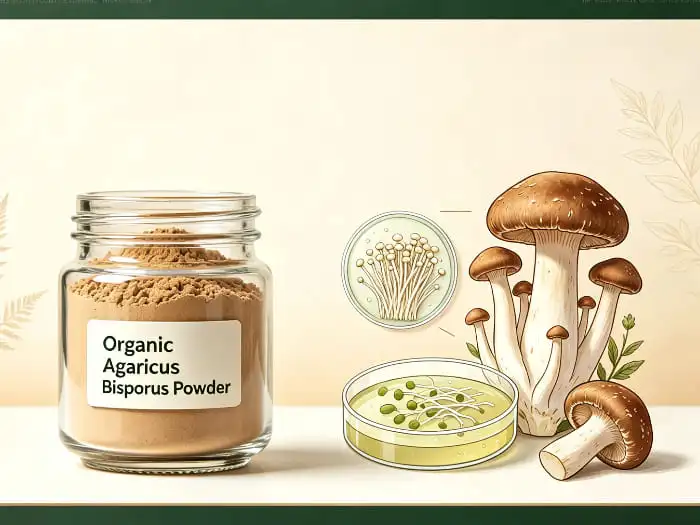
Understanding Organic Agaricus Bisporus Powder and Its Commercial Value
Natural Agaricus bisporus powder comes from the fruiting bodies of the Agaricus bisporus mushroom, which is what the mushroom is properly called. Fresh mushrooms have a lot of health benefits and bioactive properties. This finely ground ingredient makes them last longer and be easy to add to a lot of different products.
Nutritional Composition and Bioactive Components
The powder has a lot of β-glucans, proteins, fiber, and minerals that are good for you, like selenium, potassium, and B-complex vitamins. These beta-glucans come from plants and help your defense system. The prebiotic fiber is good for your gut health as well. Fresh mushrooms need to be kept cool and only last a short time. Powdered mushrooms, on the other hand, can be used for a long time as long as they are stored properly.
Distinctive Properties Compared to Other Mushroom Powders
Stronger tastes come from specialty mushroom powders like reishi or lion's mane. Button mushroom powder, on the other hand, has a milder taste that works well in many recipes without taking over the taste. It can be used as a clean-label taste enhancer because it has umami traits that come from naturally occurring glutamate compounds. It is great for functional foods, health supplements, seasoning mixes, and even pet food because it can be used in so many ways.
It's worth more to the economy than just calories. People who care about their health and want clear signs and sustainable sources like brands that are certified organic. Formulators can add more nutrients to the product without changing how it tastes because the powder doesn't have a strong flavor. This is very helpful in markets where there is a lot of competition.
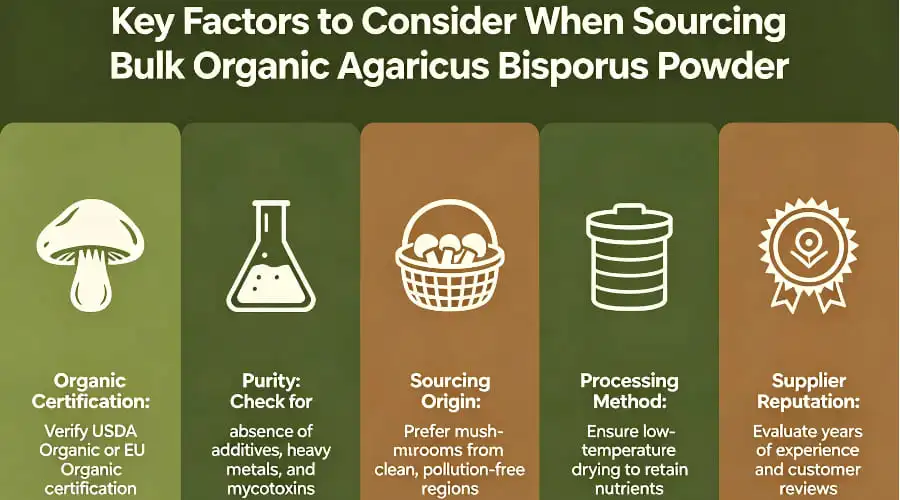
Key Factors to Consider When Sourcing Bulk Organic Agaricus Bisporus Powder
When procurement teams choose sources for mushroom extract powders, they have to think about a lot of things. This choice affects the quality of the product, how well it meets regulations, and ultimately the image of the brand.
Certification Standards and Compliance Requirements
Real organic approval is still very important. Buyers should check for USDA Organic, EU Organic, or other similar certifications from well-known certifying groups. These papers prove that the mushrooms were grown without using any artificial fertilizers or pesticides, which is in line with strict farming rules. Consistency from batch to batch depends on using proven organic growing methods and keeping up with strict certification requirements.
In addition to being organic, food-grade certifications make sure that the agaricus bisporus extract passes safety standards for people to eat. Certifications like ISO 22000, HACCP, and GMP show that a supplier is committed to quality control systems throughout the whole production process. GMP certification is very important to companies that make nutritional supplements because it covers things like keeping products clean and following standard handling procedures.
Purity, Potency, and Laboratory Testing
Third-party testing is the first step in quality assurance. Suppliers you can trust give you Certificates of Analysis (CoAs) that show the polysaccharide content. These usually show standardized beta-glucan levels that range from 10% to 30%, based on the needs of the application. Heavy metal testing shows that the levels of lead, arsenic, mercury, and cadmium are within the limits set by the FDA. This is very important because mushrooms naturally accumulate these chemicals.
Controlling microbes is another important feature. Total plate count, amounts of yeast and mold, and pathogen screening make sure that the product is safe and stable. For pharmaceutical-grade uses, even tighter microbial requirements are needed. To meet pharmaceutical purity standards, materials are often irradiated or go through special processing.
Pesticide residue analysis proves that the food is organic and keeps users safe. Multi-residue screening, which finds hundreds of compounds, makes sure that the way plants are grown matches what the organic classification says.
Supply Chain Transparency and Traceability
Knowing where your products come from helps you handle risk better. Suppliers who keep their supply lines open can track mushrooms from the time they are grown to the time they are packaged. This traceability is very helpful during checks or when answering questions from customers about where ingredients come from.
Ethical sourcing practices are becoming more and more important in procurement choices. Suppliers who care about the environment, treat workers fairly, and use sustainable farming methods are in line with business social responsibility goals. Supporting documentation for these practices improves brand stories and builds trust with customers.
Where to Find Trusted Bulk Suppliers of Organic Agaricus Bisporus Powder?
Understanding the global landscape of botanical extract production and delivery networks is necessary to find reliable suppliers.
Geographic Considerations and Regional Advantages
North American suppliers often stress legal compliance that is in line with FDA standards and can help U.S. businesses with their logistics. Domestic buying makes it easier to communicate, cuts down on shipping times, and makes customs procedures simpler. European providers are strong because they have strict standards for organic certification and well-established quality management systems that are in line with EU rules.
A lot of the market for botanical extracts is controlled by Asian companies, mostly those in China. This is because they have improved extraction technology, can make more, and can make their products more cheaply than others. To serve markets around the world, many Asian suppliers have put a lot of money into getting foreign certifications and building up their quality systems. When judging these suppliers, it's important to check their certifications and quality processes.
Supplier Categories and Their Distinct Roles
Direct manufacturers oversee growing, extracting, and processing, which improves product consistency and allows for more customization. These providers can change specifications, change the parameters for extraction, and make custom formulations that meet the needs of a particular product. Getting to know makers gives you access to technical advice and help with new ideas.
Distributors and wholesalers bring together goods from different manufacturers, which is helpful because they have a wider range of products and usually lower MOQs. While they make sourcing easier, buyers give up some direct contact with production teams and may not be able to customize as much as they'd like.
Verification and Due Diligence Processes
Quality problems and supply interruptions can be avoided by carefully checking out suppliers. Asking for facility audit reports from outsiders shows how well production standards and quality control are being met. References from past clients can tell you a lot about how reliable, communicative, and good at solving problems someone is.
Buyers can confirm specifications and see if the product will work with existing formulations by testing samples before placing big orders. By doing stability tests and small-scale production runs, you can find problems before you commit to scaling up.
Private Label and OEM Service Capabilities
A lot of suppliers give private label services that include coming up with new formulas, designing packaging, and making the finished product. This "turnkey" method makes it easier for brands that don't have their own manufacturing facilities to get into the market faster. OEM relationships let you customize products in a number of ways, and they also let you use the supplier's knowledge of formulation science and regulatory compliance.
Different business models can use customizable packaging choices like bulk bags, drums, and containers that are ready to go to stores. Suppliers who offer a range of packaging options show operating flexibility, which is important for brands that are growing and whose needs are changing.
Procurement Considerations: Pricing, MOQ, Shipping, and Payment Terms
When you do commercial sourcing, you have to deal with a lot of different factors that affect the total cost of the sale and how well the business runs.
Pricing Structures and Value Assessment
Pricing is based on a number of factors, such as the cost of organic certification, the method of agaricus bisporus extract, the level of standardization for polysaccharides, and the severity of the tests. Products with higher specifications that cost more are worth it because they consistently work and have less manufacturing risk. When buyers look at prices, they should think about the total value instead of just the unit costs.
Most of the time, commitments to buy in bulk open up better price tiers. Knowing these limits helps buying teams get the best deals on orders while keeping inventory costs low. Long-term supply deals may offer better prices and more security in the supply chain.
Minimum Order Quantities and Flexibility
MOQs vary a lot from one seller to the next, ranging from 25 kg to several metric tons. Established companies that make a lot of products usually have bigger MOQs, but distributors may be able to handle smaller amounts with different pricing. During the creation phase, it's helpful for new brands and R&D teams to find suppliers with flexible MOQ structures.
Understanding the factors that affect MOQ, such as the economics of production batches and the cost of buying raw materials, makes it easier to negotiate with suppliers. Some sellers lower MOQs for customers who agree to buy from them again or who buy more than one product at a time.
International Shipping and Logistics Management
Choosing the right shipping method balances speed, cost, and the safety of the goods. When it comes to large amounts and long lead times, sea freight is the most cost-effective option. On the other hand, air freight speeds up delivery at higher costs, making it better for quick restocking or smaller amounts. Depending on the needs for storage stability and the conditions of the trip, temperature-controlled shipping may be needed.
Import rules require careful attention to customs paperwork, tax classifications, and following the rules of the country where the goods are going. Clearance delays can be avoided by working with suppliers who are experienced in foreign trade and know how to import goods into the United States. Some sellers work with freight forwarders to offer door-to-door service, which makes managing logistics easier.
Payment Terms and Financial Considerations
Structures for payments usually range from upfront payments for new customers to net payment terms for long-term customers. When dealing with large amounts of money, letter of credit agreements protect both sides. To keep working with the same suppliers, it's helpful to know what the norms are in your business and negotiate terms that fit your cash flow needs.
Changes in currencies affect the prices of buying things from other countries. Currency hedging or negotiating prices in their own currency may help buyers who import goods on a daily basis to lower their exchange rate risk.
Maximizing the Value of Organic Agaricus Bisporus Powder in Your Product Line
Strategically combining ingredients turns raw materials into finished goods that can compete in the market and appeal to specific customers.
Application Across Product Categories
Because the powder is so flexible, it can be used in a wide range of product forms. It helps the immune system and adds nutrients to dietary supplements in the form of capsules, tablets, or powder mixes. The clean label attraction and natural umami qualities make it useful in functional foods and drinks like protein powders, nutrition bars, soups, and wellness drinks.
Instead of synthetic MSG, natural seasoning blends use the glutamate content of mushrooms to boost the taste. The powder is added to pet food to boost the immune system and add to the animal's diet, taking advantage of the growing trend of premiumizing pet care.
Cosmetic uses are still new but look good. Early study suggests that they might have antioxidant and skin-conditioning properties that make them good for anti-aging and protective skin care products.
Formulation Considerations and Best Practices
There are different dosing standards for different uses and health claims. Supplements usually have between 500 mg and 1500 mg per serving, which is changed based on polysaccharide standardization amounts. For functional food uses, smaller concentrations are used to add flavor and make the food healthier.
Stability testing makes sure that the powder stays effective for as long as the product is stored. Formulation development is based on knowing how chemicals interact with each other, how sensitive they are to pH, and how easily they absorb moisture. Using encapsulation or microencapsulation methods may help make things more stable in tough formulation environments.
Sensory profiling is done during product development to make sure that the organic agaricus bisporus powder mixes in well and doesn't add any unwanted scents or problems with the texture. Even though it's usually mild, higher inclusion rates can add earthy notes that need to be balanced out.
Market Trends and Future Opportunities
Wellness trends that focus on immune health, gut health, and natural ingredients are making people more interested in useful mushrooms. Organic positioning fits with consumers' preferences for clean labels and their concern for the environment, which affects their buying choices.
There are chances for innovation in new ways to deliver goods, like gummies, drinks, and single-serve items that are easy to use. When you mix button mushroom powder with other plants that work well together, you get combined benefits and a unique place in the market.
It's important to keep an eye on how regulations change for mushroom-based products and structure-function claims. By keeping up with new study and proof requirements, brands can make marketing claims that are both legal and convincing.
Conclusion
If you need to buy a lot of button mushroom powder for your business, you should carefully think about the supplier's qualifications, quality standards, and shipping choices. Putting a lot of weight on organic certification, careful testing, and being open about the supply chain protects both the product's quality and the brand's reputation. You can make smart buying decisions that help your business reach its goals if you know the pros and cons, minimum order number (MOQ), and pricing structures of local suppliers. Businesses can take advantage of market opportunities by finding reliable suppliers who can deliver goods that meet high quality standards. This is because the need for functional mushroom ingredients is always growing.
FAQ
In general, how long does organic Agaricus bisporus powder stay fresh?
The powder usually stays effective for 24 months if it is kept in the right way, in a cool, dry place out of direct sunlight. Bioactive compounds can break down when they are exposed to moisture and oxygen, but sealed packing keeps these things from happening. Keeping food in the fridge may make it last longer than usual, especially in hot places.
What effect do standards for polysaccharide content have on business uses?
Higher levels of polysaccharides back stronger health claims and allow lower inclusion rates in formulations, which lowers the cost per serving. Standardized specs make sure that each batch is the same, which is important for following the rules and giving customers a good experience. Applications that focus on immunity support usually aim for 20 to 30 percent beta-glucan content.
Can this powder be used to make finished goods that are USDA Organic?
Products with valid organic licenses from recognized bodies can be used as ingredients in USDA Organic finished goods as long as all the other ingredients meet organic standards and the processing follows the rules set by the National Organic Program. Audits for organic certification are easier when sources provide the right paperwork.
Partner with Wellgreen for Premium Organic Agaricus Bisporus Powder Supply
Wellgreen Technology is a reliable company that makes mushroom powder and specializes in high-quality botanical extracts. Their production sites are GMP-certified. Our button mushroom powder goes through strict testing by a third party to make sure it is organic, has the right amount of polysaccharides, and meets international safety standards. We keep a lot of inventory on hand to make sure that orders are filled quickly, and our technical team helps with formulation and creates unique specifications.
Our organic certifications, comprehensive quality documentation, and flexible order quantities accommodate both emerging brands and established manufacturers. With streamlined international shipping and responsive communication, we simplify procurement processes for nutraceutical developers, functional food producers, and contract manufacturers. Contact our team at wgt@allwellcn.com to discuss your requirements and request samples demonstrating our commitment to excellence as your reliable organic agaricus bisporus powder supplier.
References
Chang, S.T., & Miles, P.G. (2004). Mushrooms: Cultivation, Nutritional Value, Medicinal Effect, and Environmental Impact. CRC Press.
Mattila, P., Konko, K., Eurola, M., et al. (2001). Contents of vitamins, mineral elements, and some phenolic compounds in cultivated mushrooms. Journal of Agricultural and Food Chemistry, 49(5), 2343-2348.
Roncero-Ramos, I., & Delgado-Andrade, C. (2017). The beneficial role of edible mushrooms in human health. Current Opinion in Food Science, 14, 122-128.
Valverde, M.E., Hernández-Pérez, T., & Paredes-López, O. (2015). Edible mushrooms: improving human health and promoting quality life. International Journal of Microbiology, 2015, Article ID 376387.
Wasser, S.P. (2014). Medicinal mushroom science: Current perspectives, advances, evidences, and challenges. Biomedical Journal, 37(6), 345-356.
Zhang, Y., Mills, G.L., & Nair, M.G. (2002). Cyclooxygenase inhibitory and antioxidant compounds from the fruiting body of an edible mushroom, Agaricus bisporus. Journal of Agricultural and Food Chemistry, 50(26), 7581-7585.