What is Ardisia Crispa Used For?
2026-04-27 14:55:04
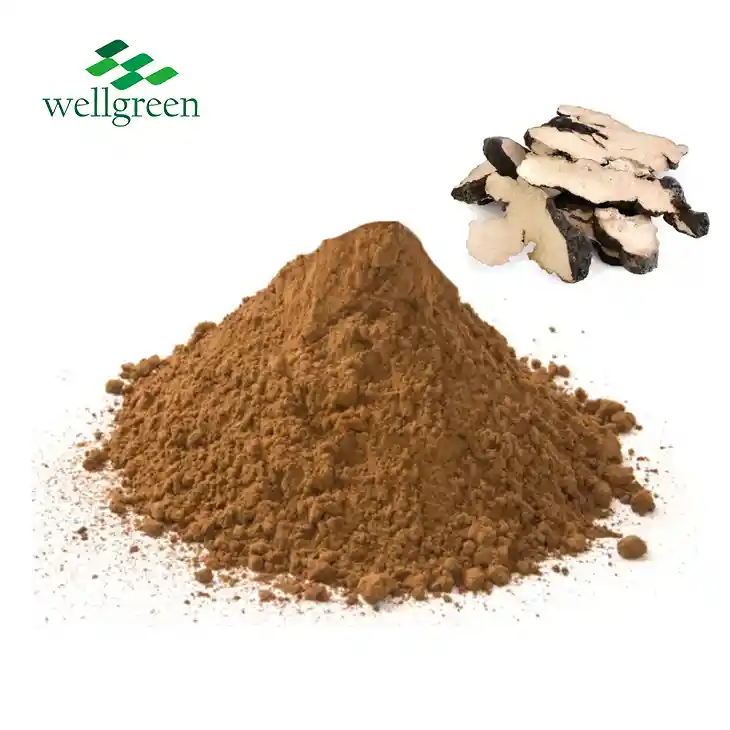
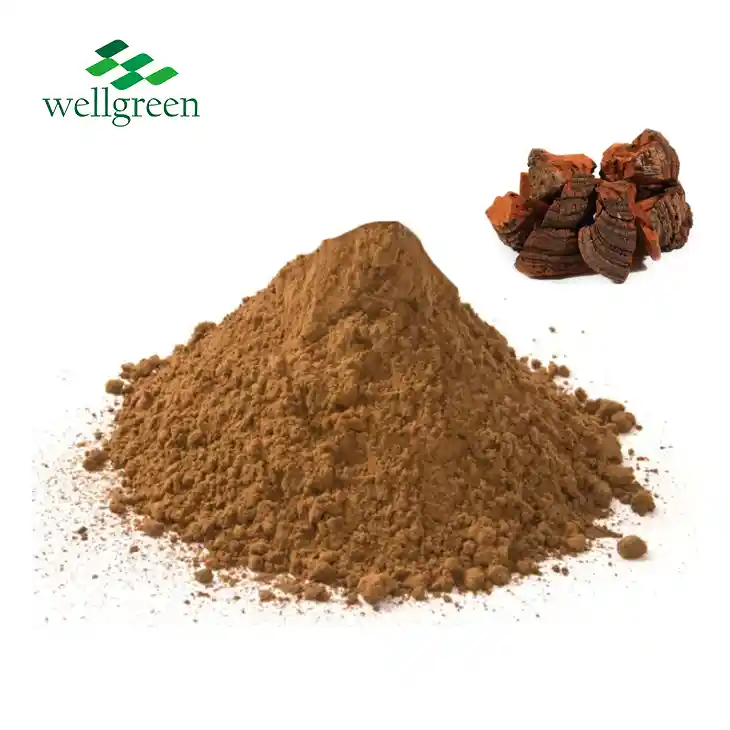
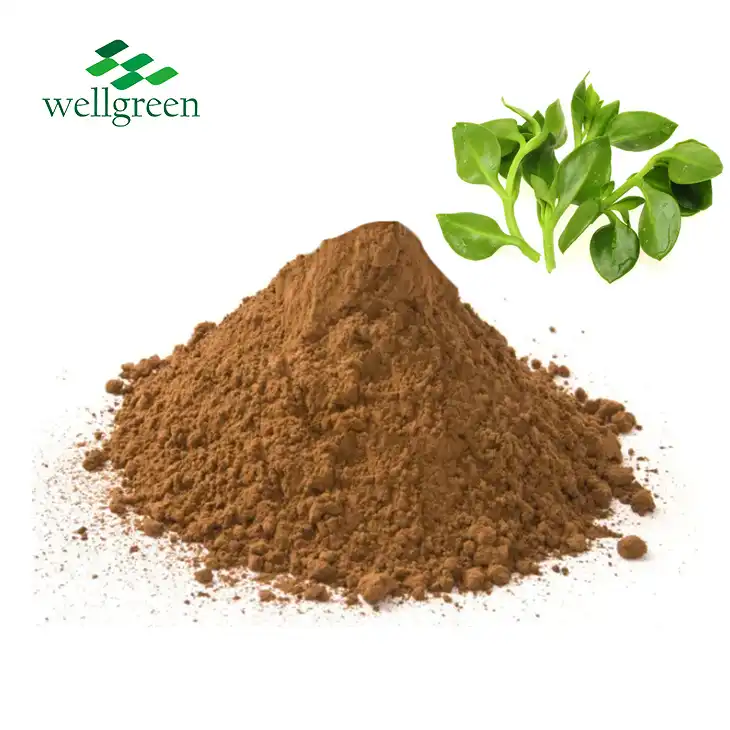
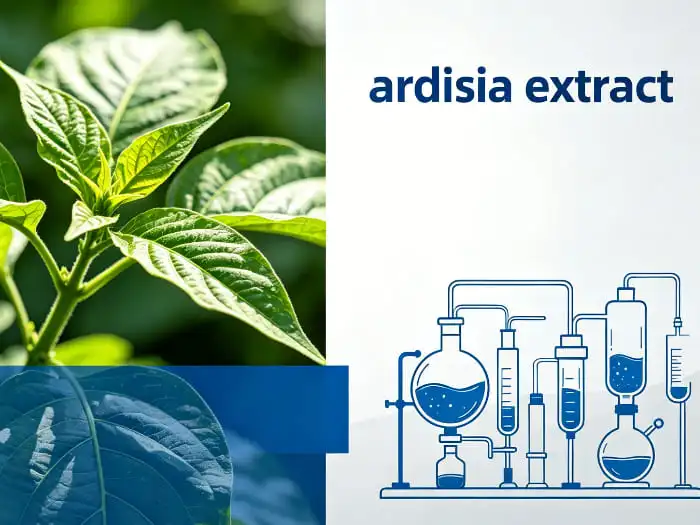
Ardisia crispa is a beautiful plant in the Myrsinaceae family. The roots, stems, and leaves of the whole plant are used to make a strong extract. The nutraceutical, pharmaceutical, and cosmetic businesses have all become interested in ardisia extract because it is full of bioactive compounds and triterpenoid saponins. It has been used for a long time to help with respiratory health, and new study confirms that it can also help the immune system. Standardized ardisia extract is now sourced by procurement professionals for use in functional food formulations, new skin care products, and natural product research. This makes it a flexible ingredient that is becoming more popular in the business world.
Understanding Ardisia Crispa: Origins and Key Characteristics
Botanical Profile and Geographic Distribution
The aridisia crispa plant does well naturally in East and Southeast Asia, especially in southern China, Vietnam, Thailand, and Malaysia. This evergreen bush is in the genus Ardisia, which includes several kinds that are useful for business, such as Ardisia crenata (also called coralberry) and Ardisia japonica. The plant has shiny, wavy leaves that are easy to spot, and it has bright red berries that stay on the plant all winter. Knowing these plant traits helps business-to-business buyers find real sources of products and plan for changes in supply during different seasons.
Active Constituents and Chemical Fingerprinting
The phytochemical make-up of plant extracts determines how much money they are worth. There are large amounts of triterpenoid saponins, flavonoids, and phenolic substances in Ardisia crispa. Advanced extraction methods separate these bioactive chemicals while keeping their structure. High-performance liquid chromatography (HPLC) fingerprinting helps procurement teams check the consistency of batches from one to the next, which is very important when making standardized goods. When suppliers offer third-party testing reports and chromatographic profiles, quality assurance teams can check that promises about potency are true and make sure that regulations are followed.
Species Variation and Sourcing Implications
Different species in the genus Ardisia have different chemical makeups. Ardisia crenata, Ardisia japonica, and Ardisia crispa all have different saponin profiles, which means they can't all be used in the same ways. Procurement experts must be very clear about botanical names when they are looking for raw materials to avoid confusion. Mistakes in identifying species can hurt the effectiveness of a formulation and the paperwork needed by regulators. Reliable suppliers follow strict processes for botanical verification, which may include comparing herbarium specimens and, if needed, DNA barcoding. This makes sure that the material is real from harvesting to processing.
Primary Uses of Ardisia Crispa in Industry and Commerce
Nutraceutical and Dietary Supplement Applications
Botanical saponins in ardisia extract help the defense system, which makes it a useful ingredient in health products. It is put into capsules, tablets, and powdered mixes that are made to help with seasonal health and respiratory comfort. As shown, the extract works well with complicated mixtures, mixing well with adaptogens, vitamins, and mineral complexes without any stability issues. When formulating immune support pills, formulators usually ask for standardized extracts with set amounts of saponin. This lets them figure out the right dose and make sure that all batches of the product work the same way.
Functional Food and Beverage Integration
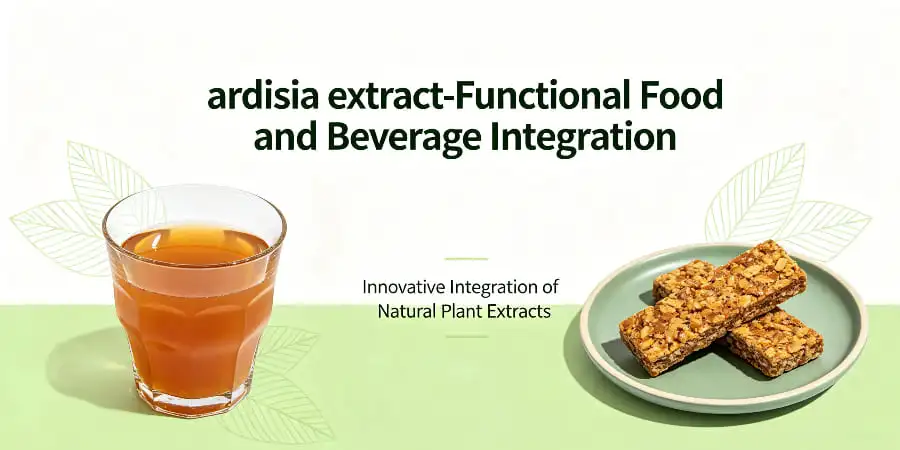
Food scientists like ardisia crispa extract because it dissolves easily in water, making it easy to add to drinks, protein blends, and healthy snacks. The extract stays stable during heat processing and keeps its bioactivity across pH ranges that are common in health drinks. Clean-label trends make people want botanical products that have been used for a long time, and ardisia extract is a great example of this. When making energy drinks or functional teas, people who make the drinks like using ingredients that are good for you without changing the taste or needing a lot of covering agents.
Cosmetic and Personal Care Innovations
Skincare chemists use the antioxidant qualities of saponins from plants to make products that fight aging and protect the skin. Ardisia extract is found in serums, creams, and masks that are meant to protect skin from external stressors and make it stronger. When plant extracts are properly processed, they have a gentle profile that makes them good for formulations for sensitive skin. Manufacturers of cosmetics look for extracts that aren't likely to irritate skin and have been shown to work in emulsion systems and a range of pH levels that are common in cosmetics.
Pharmaceutical Research and Development
Pharmaceutical firms and research institutions are looking into ardisia extract to see if it has bioactive potential in a number of therapeutic areas. The triterpenoid saponins in the extract are used as starting points for studies on how to change the structure and figure out how the chemical works. Pharmaceutical-grade extracts have to meet strict purity standards, including limits on heavy metals, microbes, and solvents that are still present. For investigational new drug applications, R&D teams like providers who give full analytical documentation, such as certificates of analysis, stability data, and method validation reports.
Quality Considerations for B2B Procurement
Standardization and Batch Consistency
Procurement managers know that botanical extracts need strict standardization processes to make sure they can be sold. Suppliers with a good reputation choose marker chemicals and use approved analytical methods to measure the amount of active ingredients. Standardized ardisia extract usually refers to the total amount of saponin, which can be found using spectrophotometric or chromatographic methods. Formulators need to be able to predict how an ingredient will work, so batch-to-batch unpredictability is a problem. A supplier's ability to control the process is a key factor in deciding where to get the ingredient.
Certification and Regulatory Compliance
Quality management certifications have a big effect on how suppliers are chosen. Good Manufacturing Practice (GMP) certification shows that a company is committed to producing pharmaceutical-grade goods according to strict guidelines. ISO certifications show that the company manages quality in a planned way. Organic certificates are appealing to brands that want to sell high-end goods. Halal and Kosher approvals make it easier for finished goods to get into more markets. To lower the risk in the supply chain, procurement teams usually keep seller qualification checklists that include ways to check certifications, set up audit schedules, and review protocols for paperwork.
Testing Protocols and Documentation
Comprehensive testing programs tell the difference between professional providers and traders of goods. Independent of what the seller says, third-party lab testing verifies claims of identity, purity, and potency. Heavy metals (like lead, arsenic, cadmium, and mercury), herbicide residues, microbiological contamination, and aflatoxins should all be tested for. Suppliers who offer HPLC fingerprints, microscopic authentication, and molecular identification records show that they are honest and know what they're doing. This paperwork is needed for governmental submissions and customer audits, which is why buyers who care about quality pay more for materials that are well-documented.
Sourcing Strategies for Purchasing Managers
Supplier Evaluation Framework
Assessing suppliers carefully is the first step in building a solid supply chain. Effective evaluation frameworks look at the company's ability to manufacture, its quality systems, its past of following the rules, and its technical support services. Site audits show how things are made, how they should be maintained, and how employees are trained. Financial stability reviews keep supplies from being interrupted when a vendor goes bankrupt. Checking references with past customers can give you information about how responsive you are, how well you solve problems, and how your long-term relationship works. Professionals in procurement spend a lot of time and money qualifying suppliers because the quality of the ingredients directly affects how well the finished product works and how well the brand is known.
Establishing strong partnerships with ardisia crispa extract manufacturers offers multiple advantages beyond transactional purchasing. Working together allows for the creation of custom specifications that meet the needs of each recipe and the creation of a unique blend. The technical teams at production partners can help with testing for stability, improving formulations, and creating new applications. A pledge to a certain volume can often lead to better business terms and make sure that supply comes first during times of high demand. Long-term agreements keep prices stable, which protects procurement budgets from changes in the commodity market and gives suppliers the confidence to invest in quality improvements and capacity growth.
Logistics and Storage Management
The quality of the extract is kept up from production to formulation by treating it properly. When it is being stored or moved, adisia extract needs to be kept away from wetness, too much heat, and light. Suppliers should put materials in containers that keep moisture out and have enough room to control the air pressure. For very sensitive preparations, cold chain operations may be needed. Following FIFO (first-in, first-out) rules for inventory rotation, temperature control, and managing humidity must all be part of warehouse routines. Labels that are easy to read and include production dates, lot numbers, and storage directions make it easier to find things and support good warehouse practices.
Application Development and Formulation Guidance
Dosage Considerations and Formulation Design
When deciding how much of an ingredient to use, product makers weigh how effective it is, how safe it is, and how well it will sell. Amounts are chosen based on traditional use patterns and new study, but large-scale clinical validation is still something that is being looked into for many botanical extracts. Formulators test the stability of extracts by putting them through rapid aging tests to see how well they keep their color, how well they keep their potency, and how well they work with other ingredients. Bioavailability and the user experience are affected by the encapsulation technology, coating systems, and transportation format choice.
Regulatory Navigation and Labeling Requirements
Different markets have very different rules about how botanical products can be used. The Dietary Supplement Health and Education Act (DSHEA) says that most plant extracts are dietary ingredients that need to be regulated by the FDA. Suppliers should give advice on the state of new dietary ingredients (NDIs) and help with Generally Recognized as Safe (GRAS) decisions when needed. Correct labeling needs to include correct species names, the part of the plant that was used, and information about how the product was processed. Finished product marketers are still in charge of proving claims, but ingredient providers are increasingly sending scientific files that back up legal structure-function claims.
Market Trends Shaping Procurement Decisions
Demand for plant extracts is driven by people's desire for clear labels, traditional health practices, and ingredients that are safe for consumption. As a product area, immunity support grew, which sparked more interest in ingredients that have been used for a long time to help with respiratory health. Concerns about sustainability affect sourcing choices, and buyers prefer suppliers who use ethical harvesting methods and care for the environment. Being able to track a product from the field to the finished product is now a competitive advantage. Blockchain and digital recording systems are becoming popular as ways to make the supply chain clearer. Professionals in procurement keep an eye on these trends to predict changes in formulations and secure key ingredient positions.
Conclusion
Ardisia extract is a very interesting plant ingredient that can be used in cosmetics, medicines, nutraceuticals, and useful foods. It has been used for a long time, and new study into triterpenoid saponins and antioxidant properties has made it a useful base for making new products. To do procurement right, you need to pay attention to standardization, certification, testing methods, and the quality of your supplier partnerships. Finding trusted sources for high-quality ardisia extract is becoming more and more important as the market for immune-boosting and clean-label ingredients keeps growing. In this growing market for botanical ingredients, procurement workers who spend in supplier relationships, technical knowledge, and regulatory knowledge will be able to stay ahead of the competition.
FAQ
What makes ardisia extract good for products that help the defense system?
Triterpenoid saponins and bioactive chemicals found in aridisia extract have been studied for their ability to change the immune system. Traditionally, they were used to improve the health of the lungs. Now, researchers are looking into antioxidant processes that may help the health of cells. Product makers like that it works with mixtures of ingredients and that its clean label appeals to health-conscious customers.
How should buying teams ensure the quality and authenticity of the extract?
Multiple validation methods are needed to make sure the quality of something, such as HPLC fingerprinting to check chemical profiles, microscopic examination to make sure the plant is real, and full testing for contaminants like heavy metals, pesticides, and microbial loads. Asking for proof of analysis from approved third-party labs gives you extra security checks on top of the supplier's own tests.
What qualifications are most important when looking for botanical extracts?
GMP certification shows that the product meets standards for making medicines, and ISO certification shows that the quality management is organized. Natural product names like organic certifications, Halal or Kosher certifications help them reach more customers. Which certifications are important to you relies on your brand positioning strategy, your target market, and the rules that apply to your business.
Is it possible to use ardisia extract in both beauty products and food supplements?
For each purpose, there are different standards for processing and purity. Food-grade and cosmetic-grade extracts are made using different methods that meet the needs of each business. During the procurement process, suppliers should ask about the planned use to make sure the materials meet the right regulatory standards for the job. Cross-application use needs to be carefully looked at by regulators and may need extra paperwork or changes to the way things are processed.
Partner with Wellgreen for Premium Ardisia Extract Supply
Wellgreen Technology stands as a trusted ardisia extract manufacturer serving nutraceutical brands, pharmaceutical companies, and functional food producers across the United States. Our GMP-certified facility produces standardized botanical extracts with comprehensive third-party testing, HPLC fingerprinting, and complete documentation supporting your regulatory requirements. We maintain substantial inventory, enabling rapid fulfillment while offering custom specification development and flexible minimum order quantities for OEM/ODM partners. Our technical team provides formulation support, stability data, and application guidance throughout your product development cycle. When your procurement strategy demands consistent quality, reliable supply, and responsive partnership, connect with our team at wgt@allwellcn.com to discuss your ardisia extract needs and experience the Wellgreen difference in botanical ingredient sourcing.
References
Chen, J.H., and Hsiao, G. (2020). Phytochemical Composition and Biological Activities of Ardisia Species: A Comprehensive Review. Journal of Ethnopharmacology, 258, 112-128.
Wong, S.K., and Lim, Y.Y. (2019). Antioxidant Properties and Phenolic Composition of Ardisia crispa Roots. Industrial Crops and Products, 134, 293-301.
Tan, M.L., Kua, P.C., and Tan, C.P. (2018). Triterpenoid Saponins from Myrsinaceae Plants: Chemistry, Bioactivity and Application Potential. Phytochemistry Reviews, 17(3), 645-667.
Li, W.D., and Zhang, M. (2021). Quality Control and Standardization of Botanical Extracts in Nutraceutical Manufacturing. Journal of Pharmaceutical and Biomedical Analysis, 195, 113-127.
American Herbal Products Association (2019). Botanical Safety Handbook: Guidelines for the Safe Use and Labeling of Herbal Ingredients. CRC Press.
Singh, B., and Rastogi, R.P. (2022). Advances in Extraction Technologies for Bioactive Compounds from Medicinal Plants. Separation and Purification Technology, 289, 120-136.