Why is Psyllium Husk Powder Widely Used in Digestive Health Supplements?
2026-01-12 17:24:10
When mixed with water, psyllium husk powder makes a gel-like substance that successfully controls bowel movements and supports overall gastrointestinal function. This makes it the most popular digestive health supplement on the market. Plantago ovata seeds are the source of this soluble fiber, which is well known among makers for its proven ability to help with constipation, encourage regularity, and improve digestive health. High-quality psyllium husk powder is standardized, which makes it a great ingredient for making trustworthy digestive health goods that can be taken in a variety of ways.
Understanding Psyllium Husk Powder and Its Digestive Health Importance
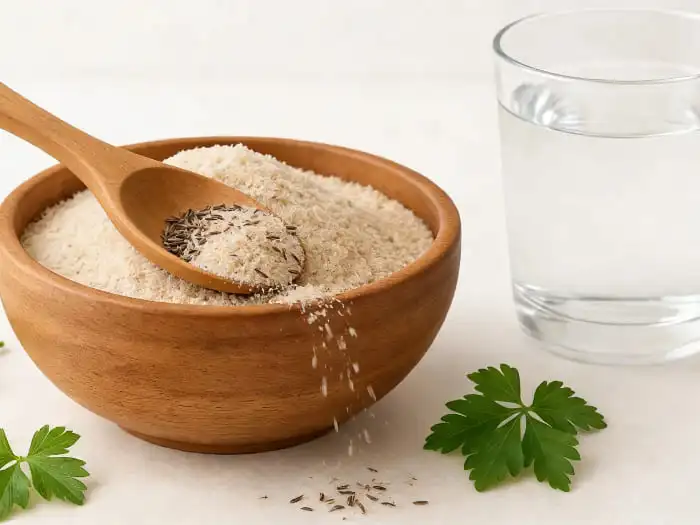
Psyllium seed husk powder is an important part of many modern supplements because more and more people want natural ways to help their digestion. This amazing botanical ingredient comes from the outer coating of Plantago ovata seeds. It has about 70% soluble fiber, which makes it one of the most concentrated natural fiber sources that makers can get today.
Botanical Origins and Nutritional Components
Plantago ovata grows in parts of India and Iran. It has small seeds covered in husks that are high in mucilage, a complex protein that gives psyllium its unique ability to hold water. To make it, the husks are carefully separated and ground into a fine powder that keeps the bioactive chemicals they contain. This standardized extraction method makes sure that the quality and potency stay the same, which is very important for B2B procurement experts who need reliable ingredients for their products.
The nutritional breakdown shows why psyllium husks are now an important part of many digestive health products. There are not many calories in each gram, but it has a lot of soluble fiber. Because of this composition, companies can make digestive health-supporting goods without sacrificing other nutritional needs or formulation needs.
Mechanisms of Action in Digestive Health
Researchers have found that psyllium works because it has great hygroscopic qualities. When fiber comes into contact with water in the digestive system, it expands a lot, turning into a thick gel that helps the body do many good things. The formation of this gel makes the stool bulkier, which naturally triggers peristaltic contractions and encourages frequent bowel movements.
The soluble fiber also helps keep the pH levels in the colon at the right level and feeds good bugs in the gut. Because of these effects, psyllium is very helpful for many stomach problems, ranging from occasional constipation to irregular bowel patterns that affect millions of people looking for natural relief.
Health Benefits and Usage Insights of Psyllium Husk Powder
Psyllium can be used for more than just digestion. It gives companies the chance to make goods that can do more than one thing and help with a variety of health issues. Many health benefits have been shown in clinical studies, which makes psyllium-containing products more appealing to a wider range of consumers.
Cardiovascular and Metabolic Support
According to scientific study, eating psyllium powder on a regular basis can help keep your cholesterol levels in check. In the intestines, the soluble fiber binds to bile acids and helps them leave the body. This makes the body use cholesterol to restore the bile acids. This mechanism helps keep your heart healthy and gives companies that make health claims about their goods proof that those claims are true.
Using psyllium-based products to help people lose weight is another big market potential. Because fiber makes you feel full and slows down stomach emptying, it can help people stick to healthy eating habits. These two benefits—helping with digestion and controlling weight—make pill brands that are trying to attract health-conscious customers very appealing.
Safety Profile and Usage Guidelines
There is a lot of evidence that psyllium is safe to use in daily wellness practices. Clinical studies show that the drug is well tolerated when the right rules for hydration are followed. The suggested daily dose is usually between 5 and 10 grams, spread out over several meals to help the body absorb it better and shorten the time it takes for the stomach to adjust.
Manufacturers benefit from the fact that psyllium is not regulated in most big markets. The ingredient is generally recognized as safe (GRAS), and there is a lot of safety information available. This makes the process of making new products and getting governmental approval easier. Also, the fact that psyllium is naturally gluten-free makes it easier for people with special dietary needs to buy it.
Comparative Analysis of Psyllium Husk Powder vs Other Natural Fiber Supplements
There are clear benefits that make psyllium the best natural fiber ingredient for digestive health uses when compared to other options. Knowing these things that make them different helps procurement workers make smart decisions about where to buy things that meet market needs and customer expectations.
Fiber Content and Efficacy Comparison
Among natural fiber choices, psyllium always performs better in terms of performance metrics. Psyllium husk powder has up to 85% fiber by weight, while flaxseed has about 28% and chia seeds have about 34%. Because of this concentration benefit, manufacturers can make formulations that cost less and come in smaller serving sizes.
Psyllium is also different from other products because it has a higher amount of soluble to insoluble fiber. Most plant fibers are made up of insoluble parts, but psyllium is mostly made up of soluble parts, which study has shown is better for supporting digestive comfort and regularity. This makes it perfect for sensitive customers who might feel uncomfortable with goods that are high in insoluble fiber.
Quality Standards and Sourcing Considerations
Premium psyllium suppliers use strict quality control methods to make sure that the product meets all of the requirements. Standard quality measures like heavy metal testing, microbiological analysis, and organic certification set professional-grade ingredients apart from cheaper options. These quality guarantees are necessary for companies that sell their products in regulated markets that need proof of their safety and effectiveness.
Quality and quantity are also affected by where the goods come from. Leading suppliers keep in touch with approved growers in the best places to grow crops. This makes sure that they always have access to raw materials and meet quality standards. This stability in the supply chain gives makers the confidence they need to make more products at the same high quality.
Guide to Procuring Psyllium Husk Powder in Bulk for B2B Clients
To buy psyllium successfully, you need to know about the key quality factors, the capabilities of the suppliers, and the changes in the market that affect both cost and product performance. Professional buyers can get more information about a seller by using thorough evaluation frameworks that look at more than just price.
Essential Supplier Evaluation Criteria
Quality certifications are the basis of professional sources for psyllium husk fiber. ISO 9001 certification shows that quality management is done in a planned way, and GMP compliance makes sure that production standards are met that are right for dietary supplement uses. If needed, organic certification makes sure that guidelines for organic production are followed all along the supply chain.
Testing tools and rules for documentation are what set professional sellers apart from commodity vendors. A full certificate of analysis should show the amount of moisture, the spread of mesh sizes, the amount of heavy metals, the presence of microbes, and the fiber content. These standards make sure that all production batches of a product work the same way and follow the rules.
Market Landscape and Procurement Strategies
There are a number of well-known sellers in the global psyllium market, each with their own specialties and range of skills. Indian suppliers usually provide the raw materials, while specialized processors in North America and Europe give processing and packaging services that add value and meet the needs of specific markets.
Strategies for buying things based on volume can have a big effect on how much they cost and how reliable the supply is. Many suppliers offer tiered price based on annual volume commitments. Other perks include priority allocation during times of high demand and the ability to customize packaging. Technical support services that help with product creation and formulation optimization are often part of these partnerships.
Integrating Psyllium Husk Powder Into Your Product Line: Benefits for B2B Partnerships
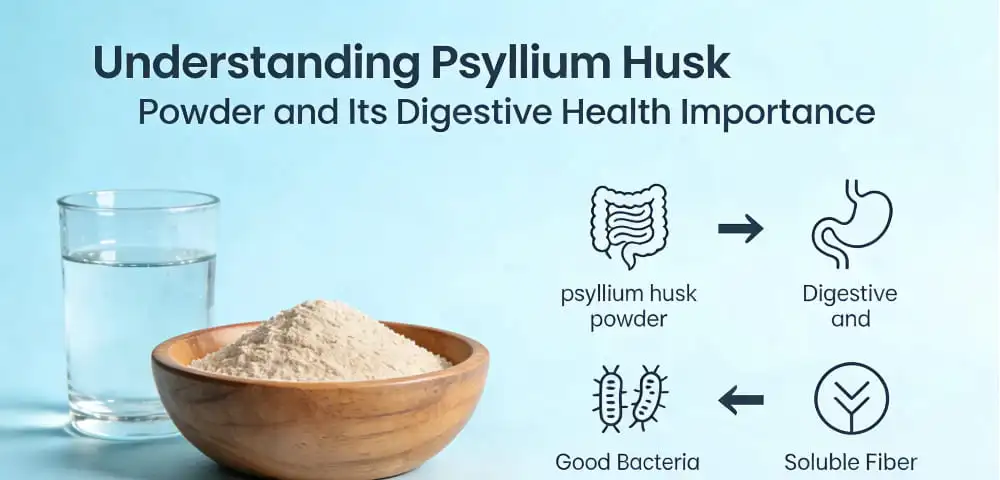
Because psyllium is so flexible, it can be used in a wide range of products in many different industries. Manufacturers can find ways to grow their product lines and set themselves apart in the market by learning about these applications and the unique needs they have.
Application Versatility Across Industries
The biggest market group is dietary supplements, which include capsules, tablets, powdered drinks, and functional gummies. Professional suppliers can change the particle size distributions and processing characteristics for each delivery format to make production more efficient and improve product performance.
Psyllium is becoming more and more useful in functional food uses. The ability of psyllium to improve texture while adding useful fiber content is good for protein powders, meal replacements, and health bars. Because the ingredient has a neutral taste and great binding qualities, it can be used in a wide range of flavor systems and product formats.
Quality Assurance and Regulatory Compliance
Professional psyllium suppliers keep thorough quality systems that help their customers meet regulatory requirements. Full paperwork packages include lists of ingredients, safety information, allergen statements, and shelf-life studies that make the process of registering a product and getting it approved by regulators easier.
Traceability tools allow full supply chain documentation, from where the raw materials come from to how they are packaged at the end. These skills are becoming more and more important for companies that want to sell their products in markets that have strict labeling rules and high standards for supply chain transparency.
Conclusion
Because of its unmatched mix of effectiveness, safety, and adaptability, psyllium husk powder is widely used in digestive health supplements. This amazing soluble fiber keeps natural health goods coming up with new ideas and gives companies an ingredient that has been proven to work by science and meets a wide range of consumer needs. Due to its high safety profile, growing amount of clinical study, and regulatory acceptance, psyllium is now an important part of many modern digestive health products. Professional purchasing relationships with qualified suppliers make sure that you can get high-quality ingredients that help your product development and market positioning strategies work.
FAQs
What kinds of approvals should I look for when I buy psyllium husk powder?
GMP compliance, ISO 9001 quality management, and, if necessary, organic certification are all important certificates. Kosher, Halal, and third-party testing verification for heavy metals and microbiological contaminants are some other useful qualifications.
What is the difference between psyllium husk powder and products made from manufactured fibers?
When compared to synthetic options, natural psyllium is better accepted by consumers and has a "clean label" image. Because it contains prebiotics and is generally safe, it is better for high-end formulations aimed at health-conscious customers.
What is the usual lowest amount of psyllium that can be bought in bulk?
Professional sellers usually have MOQs between 500 kg and 1000 kg, and you can get discounts for making bigger orders. Minimum order amounts may be affected by custom packaging and unique needs.
Can psyllium husk powder mess up the supply chain?
Weather factors in growing areas can affect seasonal availability. To reduce risk, it is important to use forward contracting and a variety of suppliers. Established providers keep safety stock levels to keep supply interruptions to a minimum.
Partner with Wellgreen for Premium Psyllium Husk Powder Supply
Wellgreen Technology is ready to help you reach your product development goals by providing you with high-quality psyllium husk powder and technical support. Our GMP-certified factories, thorough inventory management, and full documentation packages make sure that supplement makers, functional food makers, and contract manufacturing companies can rely on our supply chain solutions. As a reliable psyllium husk powder supplier, we offer customized specifications, low pricing, and quick customer service to make the buying process easier for you. Get in touch with us at wgt@allwellcn.com to talk about your needs and find out how our psyllium husk powder for sale can help your business.
References
Anderson, J.W., et al. "Health benefits of dietary fiber supplementation: a comprehensive review of psyllium clinical studies." Nutrition Reviews, vol. 67, no. 4, 2009, pp. 188-205.
Singh, B. "Psyllium as therapeutic and drug delivery agent." International Journal of Pharmaceutics, vol. 334, no. 1-2, 2007, pp. 1-14.
McRae, M.P. "Dietary fiber is beneficial for the prevention of cardiovascular disease: an umbrella review of meta-analyses." Journal of Chiropractic Medicine, vol. 16, no. 4, 2017, pp. 289-299.
Polymeros, D., et al. "The effect of psyllium supplementation on constipation: a systematic review and meta-analysis." Clinical Nutrition, vol. 37, no. 6, 2018, pp. 1862-1871.
Ziai, S.A., et al. "Psyllium decreased serum glucose and glycosylated hemoglobin significantly in diabetic outpatients." Journal of Ethnopharmacology, vol. 102, no. 2, 2005, pp. 202-207.
Wei, Z.H., et al. "Time- and dose-dependent effect of psyllium on serum lipids in mild-to-moderate hypercholesterolemia: a meta-analysis of controlled clinical trials." European Journal of Clinical Nutrition, vol. 63, no. 7, 2009, pp. 821-827.