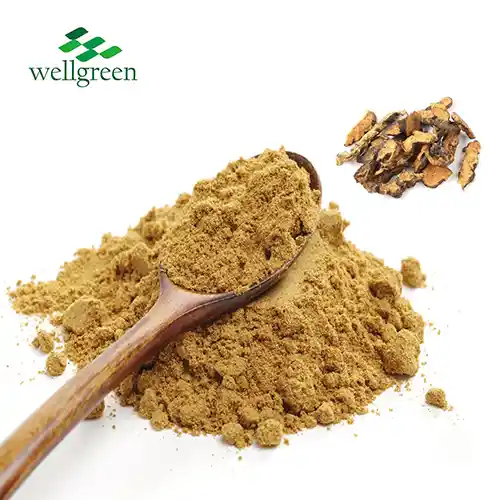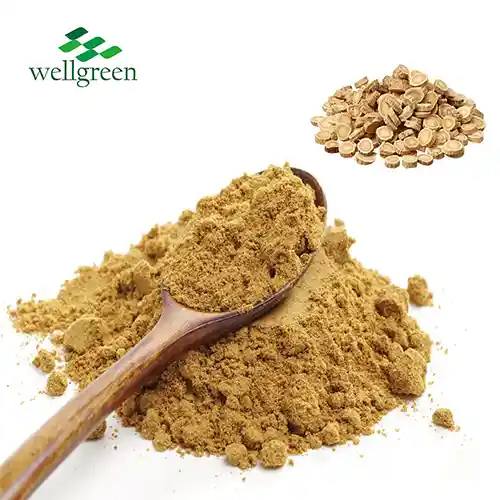
Why Your Supplement Brand Needs High-Quality Maca Root Extract?
2026-06-25 14:14:30
Your supplement brand needs high-quality maca root extract because this powerful adaptogenic ingredient meets the health market's fastest-growing needs, which are for natural energy boosts, hormonal balance, and support for vitality. Premium-grade extracts from the Peruvian Andes that are standardized to certain amounts of macamides and glucosinolates work consistently and give results that people trust and suggest. Product developers and buying teams know that differences in quality have a direct effect on bioavailability, customer retention, and legal compliance. This means that sourcing decisions are very important for differentiating brands and succeeding in the market.
Understanding Maca Root Extract and Its Benefits for Supplement Brands
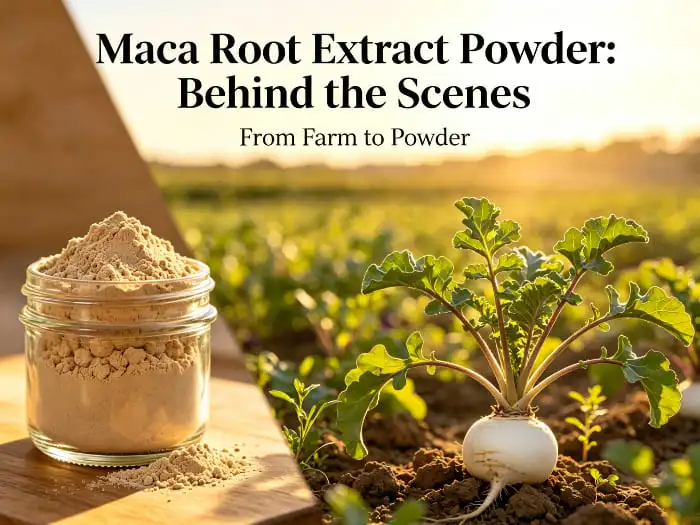
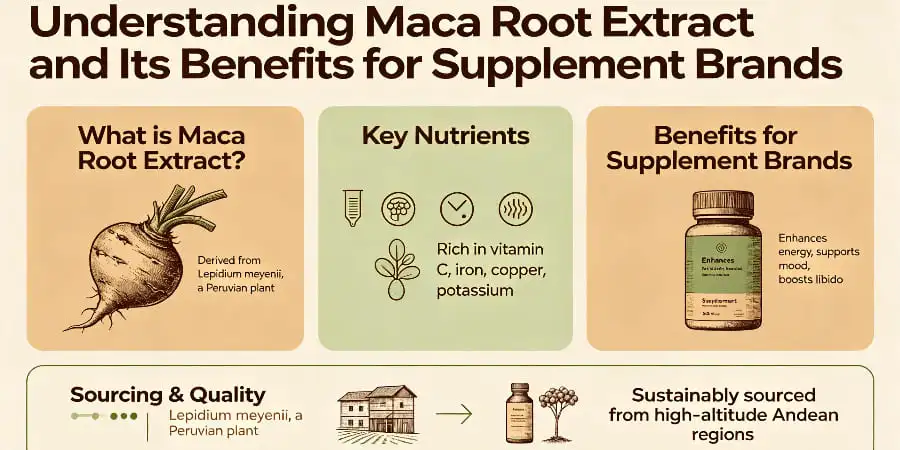
Maca root extract comes from Lepidium meyenii, a tough plant that has been growing well at high elevations in the Peruvian Andes for thousands of years. In the past, people believed that this plant could improve their health and energy, and modern food science has now confirmed their beliefs. The extract is full of concentrated bioactive substances like alkaloids, amino acids, macamides, and macaenes that work together to support many bodily processes.
The Active Compound Advantage
There is a difference between quality extracts and raw maca root extract in how concentrated and uniform the active marks are. Macamides and macaenes are the main nutrients that help the body use energy and keep its hormones healthy. Extracts from good producers are always standardized to have between 0.3% and 0.6% of these substances. This makes sure that all production runs have the same therapeutic potential. Glucosinolate content, which is usually between 0.6% and 2.0%, is another sign of quality that procurement workers should check with HPLC tests done by a third party.
Meeting Market Demands Through Formulation Versatility
Supplement makers make their products in a range of delivery methods, such as capsules, tablets, powders, and functional drinks, to meet the needs of a wide range of customers. Compared to whole root powder, standardized extracts work better with all of these forms. Gelatinized forms make it easier for water to dissolve and nutrients to be absorbed by the body, which is especially useful for practical food uses. Which extraction ratio to use—4:1, 10:1, or 20:1—depends on the dose you want to use, how much it costs, and how strong you want it to be in line with your brand positioning strategy.
Key Health Benefits Driving Consumer Interest
Today's customers are looking for natural ways to deal with tiredness, worry, and hormonal health. Clinical study shows that taking supplements regularly can help with sports fitness, keeping your mood stable during menopause, and your male reproductive health. Products with maca root extract fall into high-growth markets like sports nutrition, men's health, and adaptogenic fitness solutions because of these benefits that have been proven. When brands talk about these scientifically proven benefits while still keeping quality standards, they get ahead of the competition in both retail and online outlets.
Why Quality Matters: The Impact of High-Quality Maca Root Extract on Product Performance?
Differences in the quality of plant extracts have big effects on how well a product works and how well a brand is known. Supplement companies are getting more and more attention from smart customers who look into where the ingredients come from and expect honesty. There are several important places where the difference between high-quality and low-quality material shows up and has a direct effect on your bottom line.
Standardization and Batch Consistency
Good providers use strict extraction methods that keep the bioactive chemicals while getting rid of the fibers and starches that aren't needed. Controlling the temperature, choosing the right solvent, and using approved analysis tools are all necessary for this process. Standardization to specific marker chemicals makes sure that every production batch has the same healing potential. This gets rid of the variation that makes customers not trust the product and not buy it again. When your customers get regular results, they become loyal advocates who help your business grow on its own through word of mouth and feedback.
Bioavailability and Absorption Efficiency
Complex starches in raw maca root extract make it harder for the body to absorb. Special processing breaks down these starch chains in high-quality gelatinized extracts, making them much more bioavailable without breaking down heat-stable macamides. Because of this technical difference, buyers get the benefits at smaller doses, which increases the perceived value while lowering the cost of production per serving. Product development teams can make recipes work better by understanding these subtleties.
Contaminant Control and Regulatory Compliance
There are strict rules about heavy metals, pesticide leftovers, and microbial pollution in the herbal supplement business. When you buy quality extracts from certified sellers, they come with full testing records that show they meet USP 561, EU, and FDA rules for dietary supplements. Low amounts of lead (below 3.0 ppm), no pathogenic bacteria, and low pesticide detection keep your brand safe from expensive refunds and legal problems. Directors of procurement know that cutting costs at first by using cheaper materials comes with much higher risks of fines and damage to the company's image.
Market Examples of Quality-Driven Success
Top names in the natural products business built their reputations on high standards that they wouldn't bend on. Companies that focus on certified organic buying, clear supply lines, and third-party proof always get more loyal customers and higher prices. Because they use better raw materials, these market leaders show that investing in better raw materials leads to stronger brands and faster, more stable growth than companies that use generic ingredients.
Comparison of Maca Root Extract with Alternative Adaptogens and Supplements
There are many botanical ingredients that fall into the group of adaptogens. Each one works in a different way and has different effects. Knowing how maca root extract stacks up against other options helps buyers and formulators make smart choices that fit with how they want to place their products and the people they want to sell them to.
Unique Compound Profile
Unlike ginseng and ashwagandha, which both change cortisol levels mostly through withanolides and ginsenosides, maca root extract gives you energy through its own unique chemicals, macamide and glucosinolate. This one-of-a-kind chemistry has effects on energy metabolism, hormonal balance, and sexual health that can't be achieved by adding outside hormones. Because it doesn't work through hormones, it can be used by a wider range of people than more specific adaptogens.
Application-Specific Advantages
Tribulus terrestris and horny goat weed are mostly used in male vigor formulas, which limits their marketability. Maca root extract's balanced profile makes it useful for both men's and women's health, especially when brands offer products that are tailored to each trait. The black variety of maca root extract is especially good for men's sexual health, and the red types look like they could help women with their hormonal changes. Because it is so flexible, brands can make whole lines of products from a single main ingredient. This makes managing supplies and relationships with suppliers easier.
Cost-Benefit Analysis for Procurement
When procurement experts look at investments in raw materials, they compare the prices of ingredients to how well the formulation works and where it fits in the market. When compared to expensive ginseng kinds, maca extract powder usually has similar prices and appeal to the same types of people. Which one to use—organic powder or standardized extract—depends on how much you want to sell it for, how much you can store, and the minimum order quantity. Brands that want to appeal to high-end customers should buy certified organic, phenotype-specific extracts that can support higher selling prices by clearly showing that they are of better quality.
How to Source and Procure High-Quality Maca Root Extract for Your Supplement Brand?
Good buying strategies keep your brand's image safe while also lowering costs and making sure the supply chain works reliably. There are a lot of sellers of plant extracts with different levels of quality, so it's important to do a thorough evaluation.
Critical Quality Indicators
It is important for procurement teams to find sellers who can provide a lot of paperwork, like Certificates of Analysis with HPLC proof of active markers, heavy metal screening that shows compliance with pharmacopeial limits, pesticide residue tests, and microbial analysis. Authentic Peruvian origin proof through DNA barcoding or chemical fingerprinting tells the difference between real and fake products. These technical specs are the basis for quality assurance methods that keep formulation fails and regulatory problems from happening.
Supplier Evaluation Criteria
In addition to basic quality standards, you should also look at the supplier's production capacity, inventory availability, and expert help resources. When manufacturers offer OEM and ODM services with flexible minimum order amounts, new brands can get their goods on the market without having to spend a lot of money. Established sellers keep solid relationships with Peruvian farmers, making sure that materials are always available, even when weather and seasons change, which can lower crop rates.
Balancing Cost and Quality
While procurement professionals are under a lot of pressure to keep raw material costs as low as possible, the cheapest choices often mean lowering quality in ways that hurt the brand's image and make it harder to keep customers. Strategic buying finds providers that offer the best value by making sure they have good quality control, quick customer service, and dependable delivery times. Creating stable supply chains through long-term relationships with makers that care about quality is important for long-term business growth.
Geographic and Seasonal Considerations
Maca root extract that is truly authentic only comes from high-altitude areas in Peru. This is where the unique phytochemical profile that gives maca root extract its healing effects is formed. Knowing when crops are harvested and how long it takes to handle them helps procurement teams plan for changes in supply and keep enough goods on hand. Suppliers with processing facilities close to farming areas usually have fresher materials that keep heat-sensitive chemicals better than those who have to move and store them for longer periods of time.
Integrating Maca Root Extract Into Your Supplement Product Line
To make a good product, you need to coordinate formulation science, legal compliance, and marketing strategy to make products that appeal to your target market and follow the law.
Formulation Optimization Strategies
Adding beneficial ingredients to maca root extract increases its benefits and makes goods stand out. Combining it with rhodiola and ionic magnesium makes formulas that help with stress more effective. Men's health products work best when taken with zinc, vitamin D, and amino acids. Combining B-complex vitamins and CoQ10 in energy items is a good idea. These smart mixes address multiple health issues in a single formulation, which makes the product seem more valuable and gives customers a better reason to buy it.
Regulatory Navigation and Labeling Compliance
In the US, dietary supplement rules say that structure-function claims, food content statements, and allergen alerts need to be carefully read. Labels on products must correctly list the standard specifications for the extract and not make any claims about treating diseases that would get the FDA to step in and police the law. Working with regulatory experts who know about the rules for botanical supplements can help brands get through these complicated situations while using the most appropriate marketing words.
Addressing Processing Challenges
Maca extract powder has an earthy taste that makes it hard to formulate in drinking uses. Using natural vanilla, cacao, or cinnamon to hide flavors can make them taste better without hurting the clean-label stance. Concerns about taste are taken care of by encapsulation, which also allows for precise dose control. Understanding these technical issues during the creation of a product keeps launch dates and avoids costly delays in reformulating.
Stability and Shelf Life Management
If you store an extract properly, it will keep its effectiveness throughout its shelf life. Because the powder is hygroscopic, it needs to be kept in a dry setting and packaged in the right way. Light-sensitive chemicals are kept safe in oxygen-barrier bags or amber glass cases. Accelerated stable testing during the development process finds possible ways that products could break down and helps set expiration dates that make sure customers get full-potency goods.
Conclusion
Supplement companies that want to reach the growing health market for natural energy, hormonal balance, and life support should invest in high-quality maca root extract as an important ingredient. The difference between quality standardized extracts and commodity-grade material has a direct effect on how well a product works, how happy customers are with it, and how well the brand is known. Verified active compound levels, thorough contaminant testing, and real Peruvian sources should be at the top of the list when making procurement choices.
To integrate goods successfully, you need to know about formulation compatibility, legal requirements, and market positioning strategies that set your products apart in stores that are already very competitive. In the fast-paced dietary supplement business, building a brand's long-term growth depends on working with qualified makers who can offer technical support, flexible production options, and consistent quality assurance.
FAQ
What differentiates extraction ratios from standardized percentages?
Ratios of extraction like 10:1 show the concentration level at which 10 kg of raw root makes 1 kg of extract powder. This standard talks about how intense the processing is, but it doesn't promise that the amounts of active compounds will stay the same. Standardized extracts give exact amounts of marker substances like 0.6% glucosinolates or 0.4% macamides, which makes the possibility for therapy reliable. Standardized specs should be more important to brands that make claims about effectiveness than simple ratio explanations.
Does gelatinization affect nutritional content?
Controlled heat is used in the gelatinization process to break down complex starches. This makes them much easier for the body to absorb and use. Some enzymes, like myrosinase, can break down when heated, but the main benefits, which are caused by heat-stable macamides and macaenes, stay the same and are easier to get to. This step in the process makes the extract more useful for supplement purposes, not less useful.
How can brands be sure that their products are really from Peru?
Once maca root extract is processed into an extract, it is not possible to tell the difference between traits or sources by looking at it. For sure identification, you need DNA barcoding or thorough HPLC chemical fingerprinting that shows specific glucosinolate ratios that are only found in real Peruvian material. Good sellers give you this paperwork on your own, which shows that they care about being real and open about how they source materials.
Partner with Wellgreen for Premium Maca Root Extract Supply
Wellgreen Technology is a specialized company that makes botanical extracts for the US market. They work with nutraceutical brands, pharmaceutical businesses, and functional food makers. Our GMP-certified factory uses tested extraction methods to get real Peruvian maca root extract. These methods keep the bioactive chemicals while still passing strict quality standards. We offer black, yellow, and red maca root extract in powder, standardized extract, and freeze-dried forms, all of which come with full COA paperwork and HPLC confirmation.
Our technical team helps with OEM and ODM development, and our minimum order amounts are open enough to work for both new names and well-known makers. Every batch is checked carefully to make sure it follows the rules for dietary supplements in the EU and the US. This includes checking for heavy metals, farming residues, and microbes that could be harmful. We keep a stable supply line with Peruvian farmers and domestic processing facilities to make sure that we always have what we need, even when the seasons change.
For men's health and energy combination goods, we help product creation teams with the formulation process. We know how important it is for supplement brands to have real ingredients, uniform strength, and follow all the rules set by the government. Get in touch with our purchasing experts at wgt@allwellcn.com to talk about your unique needs for relationships with maca root extract suppliers that will help you reach your growth goals.
References
Gonzales GF, Córdova A, Vega K, Chung A, Villena A, Góñez C, Castillo S. Effect of Lepidium meyenii (MACA) on sexual desire and its absent relationship with serum testosterone levels in adult healthy men. Andrologia. 2002;34(6):367-372.
Stone M, Ibarra A, Roller M, Zangara A, Stevenson E. A pilot investigation into the effect of maca supplementation on physical activity and sexual desire in sportsmen. Journal of Ethnopharmacology. 2009;126(3):574-576.
Meissner HO, Mscisz A, Reich-Bilinska H, Mrozikiewicz P, Bobkiewicz-Kozlowska T, Kedzia B, Lowicka A, Barchia I. Hormone-Balancing Effect of Pre-Gelatinized Organic Maca (Lepidium peruvianum Chacon). International Journal of Biomedical Science. 2006;2(3):260-272.
Shin BC, Lee MS, Yang EJ, Lim HS, Ernst E. Maca (L. meyenii) for improving sexual function: a systematic review. BMC Complementary and Alternative Medicine. 2010;10:44.
Dording CM, Schettler PJ, Dalton ED, Parkin SR, Walker RS, Fehling KB, Fava M, Mischoulon D. A double-blind placebo-controlled trial of maca root as treatment for antidepressant-induced sexual dysfunction in women. Evidence-Based Complementary and Alternative Medicine. 2015;2015:949036.
Gonzales GF, Gonzales C, Gonzales-Castañeda C. Lepidium meyenii (Maca): a plant from the highlands of Peru—from tradition to science. Forschende Komplementärmedizin. 2009;16(6):373-380.