Bergamot Supplements: Natural Cardiovascular Support
2026-03-31 15:13:41
Bergamot supplements, which come from the best bergamot extract of the Citrus bergamia fruit, are a new way to help your heart naturally. This Mediterranean citrus powerhouse has a unique polyphenolic profile that has been shown to be good for heart health. It gives procurement workers a natural alternative to synthetic cardiovascular compounds. Bergamot supplements give companies an edge in making effective, clean-label cardiovascular support products that meet strict quality standards around the world. This is because more and more people want plant-based health options.
Understanding Bergamot Extract and Its Cardiovascular Benefits
The Science Behind Bergamot's Heart Health Properties
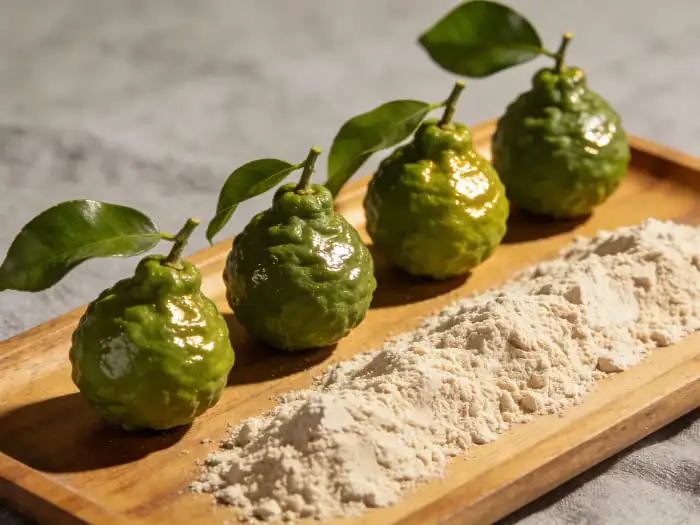
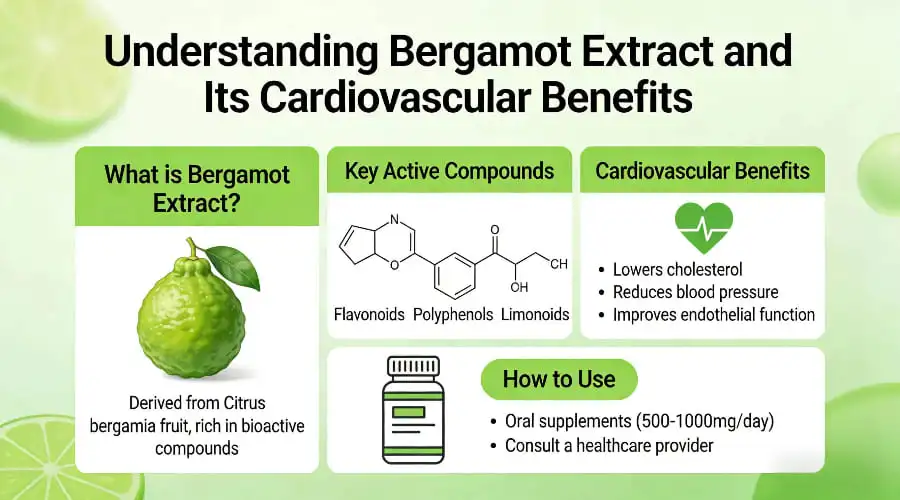
This special oil comes from the Citrus bergamia plant, which is mostly grown in Calabria in the south of Italy. This great citrus fruit is different from other citrus foods because it has a lot of bioactive polyphenolic fraction (BPF). The extract is good for your heart because it has a special mix of flavonoids, such as neoeriocitrin, naringin, neohesperidin, and the amazing statin-like glycosides melitidin and brutieridin.
Scientists have found a number of ways that these bioactive chemicals help keep good cholesterol levels high. To make cholesterol biosynthesis different from man-made statins, which only work on HMG-CoA reductase, bergamot's polyphenols turn on AMPK and stop CETP. There are several goals for this method. It helps the heart in many ways and lessens the bad effects that accompany drug treatments.
Clinical Evidence Supporting Cardiovascular Wellness
Bergamot is good for your heart, according to a number of studies that were looked over by experts in the field. After 12 weeks of supplements, people with high cholesterol who took part in clinical tests saw big changes in their lipid profiles. It was amazing how well the product lowered LDL cholesterol while also raising HDL cholesterol, which is good for you.
The antioxidant properties of bergamot extract have a big effect on blood health because they protect endothelial cells from oxidative stress. In order to keep the arteries flexible and the blood flowing well throughout the body, this protection mechanism works. The anti-inflammatory effects also help lower signs of systemic inflammation that make you more likely to get heart disease.
How Bergamot Supplements Enhance Cardiovascular Wellbeing
Mechanisms of Action in Metabolic Health
Supplements with bergamot improve the health of your heart in complex biological ways that affect many areas of your metabolism. Adenosine monophosphate-activated protein kinase (AMPK), which is often called the body's biochemical master switch, is turned on by the main bioactive substances. This action sets off a chain of events that improve the uptake of glucose, the burning of fatty acids, and the overall energy balance of cells.
The unique polyphenolic profile of bergamot extract distinguishes it from other citrus-based products. Citrus products usually have hesperidin and diosmin as their main ingredients. Bergamot, on the other hand, has melitidin and brutieridin, which are unique chemicals that have structures similar to pharmaceutical statins. These natural chemicals lower cholesterol without the risks of myopathy that come with synthetic options.
Formulation Advantages for Manufacturing Applications
Citrus bergamia extract gives supplement makers a lot of freedom in how they make their products and how they send them. The standardized extract keeps its strength while dealing with common problems like being water-absorbing and having a bitter taste. Advanced processing methods, such as spray-drying and microencapsulation, make sure that final goods are as stable and bioavailable as possible.
The manufacturing teams like that bergamot extract works well with many different excipients and can handle the crushing forces that are used to make tablets. There are no problems with the ingredient's bioactivity or shelf stability when it is used in functional foods, powdered drink mixes, or pill formulas.
Selecting High-Quality Bergamot Extract for B2B Procurement
Quality Standards and Certification Requirements
When choosing bergamot extract providers, people who work in procurement have to look at a number of quality factors. To get high-quality extracts, they need to be standardized to certain polyphenolic amounts, which are usually between 25% and 38% total flavonoids by weight. Key biomarkers like melitidin, brutieridin, and total bergamot polyphenolic fraction (BPF) levels should be listed on certificates of analysis.
International quality standards are very important when choosing a seller. When looking for providers, make sure they have quality control systems that meet ISO 9001 standards, follow GMP (Good Manufacturing Practice), and have organic certifications if they have them. Third-party testing confirms that heavy metal limits, microbiological safety, and pesticide residue compliance are met. HACCP approval makes sure that food safety standards are met.
Evaluating Supplier Capabilities and Technical Support
Suppliers you can trust give you a lot of detailed information, like stable studies, bioavailability data, and formulation standards. The best partners offer custom specification services that let makers ask for specific polyphenolic profiles or particle size ranges that are made to fit their particular formulation needs.
As governmental scrutiny grows around the world, supply chain openness becomes more important. Reliable providers keep full records of the supply chain, from where the raw materials come from to where the finished product is delivered. They give detailed information about how the products are extracted, how they are processed, and how they are checked for quality, which helps with government applications and product registration needs.
Market Overview and Procurement Strategies for Bergamot Extract
Global Market Dynamics and Growth Drivers
The global bergamot extract market is growing quickly because more people are concerned about their heart health and prefer natural ingredients. According to market data, there has been steady rise in demand across North America, Europe, and the Asia-Pacific region. The dietary supplement and functional food sectors have seen the most demand.
Bergamot fruit harvests in Calabria are affected by natural factors that must be taken into account in procurement plans. Strategic buyers make long-term deals with several qualified providers to make sure that supplies are always available during production cycles. This approach lowers the risks in the supply chain and gets better prices by promising a lot of goods.
Cost-Effective Sourcing and Supplier Negotiations
Effective buying strategies find a balance between the need for quality and the desire to save money. The price of bergamottin changes a lot depending on how standardized it is, how hard it is to process, and what certifications are needed. Buyers get the best deal when they clearly define their standard needs and look at the total cost of ownership instead of just unit price.
Volume buying deals save a lot of money and make sure that supplies don't run out. Procurement teams with a lot of experience can arrange flexible terms that can adapt to changes in demand while still keeping good relationships with chosen suppliers. Payment terms, quality promises, and technical support services are all important factors in choosing a provider.
Case Studies and Verification of Bergamot Supplement Performance
Clinical Research Validating Efficacy Claims
Extensive clinical research has shown that bergamot extract is good for the heart in a wide range of people. A groundbreaking study in the International Journal of Cardiology showed that the lipid levels of 237 people with metabolic syndrome got a lot better. People who took pure bergamot extract as a supplement for 12 weeks saw their LDL cholesterol drop by 28% and their triglycerides drop by 39% on average.
In a different controlled study with older people who had a lot of cardiovascular risk factors, both standard lipid parameters and endothelial function markers got better. These studies give us the solid evidence we need to back up claims about heart health in product marketing and regulatory submissions.
Quality Assurance and Testing Protocols
Bergamot extract products regularly meet pharmaceutical-grade standards thanks to stringent quality assurance processes. Standard testing methods include high-performance liquid chromatography (HPLC) analysis to check the polyphenolic content, gas chromatography-mass spectrometry (GC-MS) analysis to find volatile compounds, and bacterial testing to find pathogens.
Given that bergamot comes from farming, heavy metal research is still very important. Reliable sources keep the amounts of lead, cadmium, mercury, and arsenic well below the levels set by international regulations. Testing for pesticide residues makes sure that organic certification rules and international food safety standards are followed.
Conclusion
Bergamot supplements are a natural way to support your heart that has been proven to work by science. They give procurement workers access to high-quality plant ingredients that have been shown to work. Bergamot extract has a unique polyphenolic profile that gives producers the chance to create goods that are special and meet the growing demand from customers for natural heart health solutions. Successful product development depends on quality buying strategies that focus on approved sources, thorough testing methods, and long-term supply chain practices. Strategic buying partnerships help companies take advantage of the market potential for bergamot extract while keeping their competitive edge in the growing market for cardiovascular supplements.
FAQ
What makes bergamot extract different from other citrus supplements?
Bergamot extract contains unique statin-like compounds called melitidin and brutieridin that are not found in other citrus fruits. These bioactive polyphenols provide superior cardiovascular benefits compared to standard citrus flavonoids like hesperidin and diosmin.
How should bergamot extract be stored to maintain potency?
Bergamot extract powder should be kept away from direct sunlight and in a cool, dry place. The best temperature for keeping is between 15°C and 25°C, and the relative humidity should be less than 60%. Putting food in containers that won't get wet and filling them with harmless gas can make it last up to 24 months longer.
What testing protocols verify bergamot extract quality?
Quality verification requires HPLC analysis for polyphenolic content, microbiological testing for pathogens, heavy metal analysis, and pesticide residue screening. Third-party certificates of analysis should document all testing parameters and compliance with international standards.
Can bergamot extract be combined with other cardiovascular ingredients?
Yes, bergamot extract works very well with chemicals that work well together, like Coenzyme Q10, omega-3 fatty acids, and plant sterols. Studies on formulations show that when they are balanced correctly, they have synergistic benefits without any bad reactions.
Partner with Wellgreen for Premium Bergamot Extract Solutions
Wellgreen Technology stands as your trusted bergamot extract supplier, delivering pharmaceutical-grade botanical ingredients that meet the most demanding quality standards. Our GMP-certified facility makes sure that the purity and potency of our products are always the same, and our large collection makes it easy to meet the needs of both standard and unique formulations quickly. Wellgreen has the technical know-how and reliable supply chain that is needed for successful product creation. They offer full certifications, OEM support, and strict testing methods. Get in touch with our purchasing agents at wgt@allwellcn.com to find out how our high-quality bergamot extract can help your cardiovascular supplement line.
References
Mollace, V., et al. "Hypolipemic and hypoglycemic effects of bergamot polyphenols: From animal models to human studies." Fitoterapia, vol. 82, no. 3, 2011, pp. 309-316.
Gliozzi, M., et al. "Bergamot polyphenolic fraction enhances rosuvastatin-induced effect on LDL-cholesterol, LOX-1 expression and protein kinase B phosphorylation in patients with hyperlipidemia." International Journal of Cardiology, vol. 170, no. 2, 2013, pp. 140-145.
Toth, P.P., et al. "Bergamot reduces plasma lipids, atherogenic small dense LDL, and subclinical atherosclerosis in subjects with moderate hypercholesterolemia." Journal of Lipid Research, vol. 57, no. 7, 2016, pp. 1314-1322.
Risitano, R., et al. "Flavonoid fraction of bergamot juice reduces LDL-cholesterol and improves HDL-cholesterol in patients treated with statins." Pharmacological Research, vol. 139, 2019, pp. 84-92.
Walker, A.F., et al. "Promising hypocholesterolemic effect of dried bergamot extract from the Calabrian cultivar." Phytotherapy Research, vol. 21, no. 7, 2007, pp. 663-668.
Leopoldini, M., et al. "The molecular basis of working mechanism of natural polyphenolic antioxidants." Food Chemistry, vol. 125, no. 2, 2011, pp. 288-306.