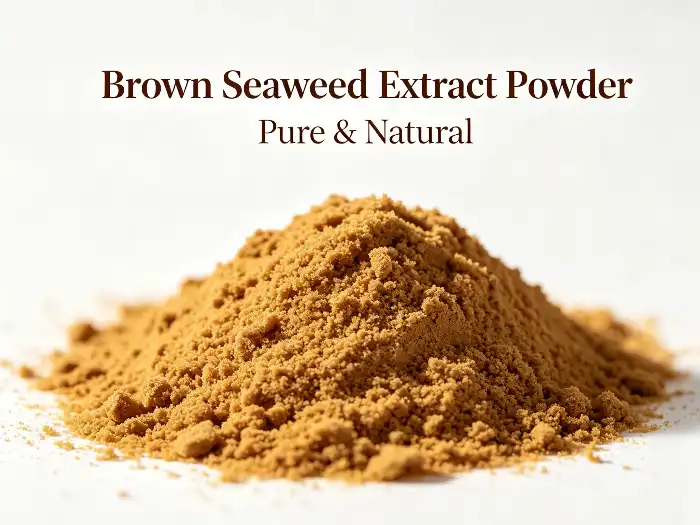
Brown Seaweed Extract Powder Applications in Skincare Formulations
2026-06-18 17:49:28
Brown seaweed extract powder has become a key ingredient in modern skin care products, giving beauty companies a natural, science-backed way to treat a wide range of skin problems. From sea brown algae like kelp, kombu, and wakame, this plant-based ingredient has high amounts of fucoidan, alginates, fucoxanthin, and minerals that are good for your skin and help fight ageing. It also keeps your skin hydrated and protects it. As people become more interested in ocean-based superfoods and cosmetics with clean labels, procurement experts are looking for reliable suppliers who can provide standardised, high-purity seaweed extracts that meet strict quality standards and support environmentally friendly ways of getting materials.
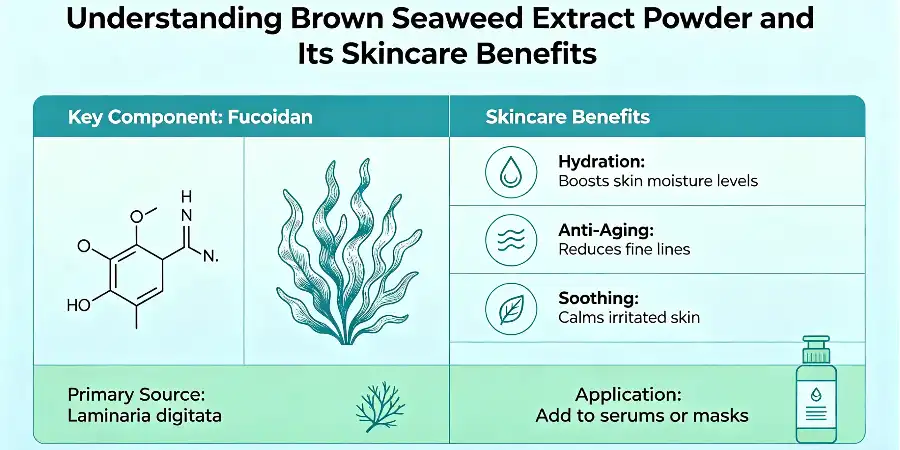
Understanding Brown Seaweed Extract Powder and Its Skincare Benefits
Brown seaweed extract powder is a sophisticated type of marine botanicals that have been processed to keep the bioactive chemicals that are important for skin care. Usually, the plants are carefully collected from ocean areas that aren't dirty. The plants are then dried in a controlled environment and extracted using special methods that keep the marine plants' natural antioxidants and delicate polysaccharides.
Origin and Extraction Technology
The source of any seaweed-based item is the first thing that determines its quality. Premium brown seaweed extract comes from ocean environments that are closely watched, and the safety of the end product is directly affected by how clean the water is. Modern methods of extraction use water-based or enzyme-assisted methods that keep fucoidan and other heat-sensitive chemicals' structures intact. Formulation chemists need batch-to-batch reliability for commercial production, and these advanced methods make it possible to make extracts that are standardised and have consistent amounts of active ingredients.
Core Bioactive Compounds and Their Functions
Fucoidan is the polysaccharide in brown kelp that has been studied the most. It is known for its amazing ability to help the skin's barrier function and speed up the renewal of cells. This sulfated polysaccharide works well with alginates, which are natural humectants that draw moisture into the skin and make a barrier film that stops water loss through the skin's surface. Its brown colour comes from a carotenoid called fucoxanthin, which also has strong antioxidant properties that get rid of free radicals caused by UV light and pollution pollutants. Minerals like salt, magnesium, and zinc help enzymes do their job, which is important for keeping the skin's metabolism healthy.
Skincare Benefits Backed by Research
The results of clinical tests show that putting brown algae extracts on the skin makes it much more hydrated within hours, and the effects last for up to 24 hours. The anti-inflammatory properties help calm skin conditions that are overactive, lowering the redness and itchiness that come with having sensitive skin. The mix of antioxidants and minerals that support collagen works on multiple ageing processes at the same time, which makes this ingredient especially useful in all-around products for managing ageing. Chemical engineers who work in cosmetics like these extracts because they make skin more flexible and protect it from the sun without messing up SPF measures.
Safety Profile and Regulatory Compliance
One important thing for B2B buyers to think about is how safe and regulated marine-derived chemicals are. Arsenic, lead, and cadmium, which can build up in marine plants, must be thoroughly tested in products made from brown seaweed extract. Suppliers with a good reputation give full Certificates of Analysis that show their products meet EU and US safety standards for cosmetics. The results of patch tests usually show that the skin can handle the substance well, and allergic reactions are still very uncommon. The ingredient has been approved by the main groups that regulate cosmetics, and it is even listed in the International Nomenclature of Cosmetic Ingredients (INCI) database, though it has different names based on the species and extraction method used.
Formulating Skincare Products with Brown Seaweed Extract Powder: Core Principles and Practices
To successfully add brown seaweed extract to skin care products, you need to know about both the ingredient's physical features and how it works with other ingredients in the products. Formulation chemists who work with this marine plant must find a mix between how well it works, how stable it is, how it tastes, and how easily it can be made on a large scale.
Optimal Concentration Ranges and Solubility
Depending on how well the extract is standardised and how strong of a claim is wanted, the percentage of brown seaweed extract used in cosmetics is usually between 0.5% and 5%. Extracts that dissolve in water are easy to mix into the water-based parts of emulsions, serums, and gels. The powder dissolves easily in water at room temperature, but boiling it slowly to 40–50°C can speed up the process and make sure that all of the polysaccharides are fully hydrated. Higher amounts may make the viscosity go up, which can be good for some types of products but might mean that they need viscosity modifiers for others.
Ingredient Compatibility and Stability Considerations
Brown algae extracts work very well with most of the cosmetic ingredients that are widely used in skin care products. They work together with hyaluronic acid to make better systems for water, and they make it easier for peptides and vitamins to get to the cells. The extracts don't change much in a pH range of 5.0 to 7.0, which means they can be used in skin-friendly products. When making products with this ingredient, keep them away from temperatures above 70°C for long periods of time. This is because too much heat can break down the sensitive carbohydrates. It is very important to add the right preservation methods because the nutrients in seaweed extracts can help microbes grow if they are not kept properly.
Real-World Formulation Examples
Korean beauty brands were the first to use brown seaweed in their anti-aging serums. They usually mix a 2% to 3% standardised extract with niacinamide and adenosine to make products that do more than one thing. European companies that make organic skin care products like to put this ingredient in face masks and overnight treatments at concentrations of 3 to 5 percent. The longer the ingredient stays on the skin, the better it works at moisturising it. Brown algae products have been used in a number of successful OEM projects in men's grooming lines. The story of how the ingredients came from the ocean connects with target consumers while also providing real soothing benefits for use after shaving.
Organic Versus Conventional Sourcing
Choosing between organic and standard brown seaweed extract changes how the product is positioned and how much it costs to buy. For kelp to be certified organic, it has to grow in clean water and be processed without using synthetic chemicals. This makes it appealing to natural beauty brands and raises the price. If you buy conventional extracts from reputable companies that follow strict heavy metal testing methods, they work just as well and cost less. Consumer image research shows that marine ingredients naturally make people think of "natural" things. This means that conventional brown seaweed extracts still fit well with the "clean beauty" positioning, making them a good choice for brands that want to balance quality with cost.
Comparing Brown Seaweed Extract Powder with Alternative Ingredients in Skincare
In the marine ingredient group, there are more than just brown seaweed. Each has its own unique composition and functional benefits. Knowing these differences helps procurement workers choose ingredients in a way that fits with their product development goals and target market.
Brown Seaweed Versus Kelp and Bladderwrack
Kelp is a type of brown seaweed, but the kelp powder you can buy usually just has the whole plant dried out and ground up, rather than being a pure extract. Simply put, brown seaweed extract powder has a lot more active polysaccharides per gram because of this difference. This makes it better for preparation and lowers the cost per active. Bladderwrack extract, which comes from Fucus vesiculosus, has similar bioactive compounds but higher iodine levels. Because of this, it may be necessary to be more careful about how much to use it so that you don't go over the suggested limits for topical iodine exposure.
Comparative Advantages Over Spirulina
Spirulina is a blue-green algae that has a lot of protein and phycocyanin, which is an antioxidant that gives it its unique blue-green colour. Brown seaweed extract stands out thanks to its distinctive polysaccharide profile, especially fucoidan, which has been studied more in depth for its anti-aging and skin barrier support properties. The way they smell and taste is also very different. Brown seaweed extracts can be processed to get rid of marine smells, but spirulina has its own smell that might make it hard to use in some skin care products. In terms of the supply chain, brown seaweed is grown and harvested in colder ocean waters, which means that it can come from a wider range of places than spirulina, which needs to be grown in warm water or under controlled conditions.
Cost-Efficiency and Procurement Considerations
When looking at buying in bulk, brown seaweed extract powder is usually in the middle to high price range for plant actives. This is because it requires a special way to be extracted and strict quality control for marine ingredients. The price of the finished product stays low because the effective amounts aren't very high and the ingredient provides multiple benefits that would have needed the combination of several different actives otherwise. Bulk buyers can get the best deals by building long-term ties with suppliers and planning their purchases around harvest times. Different suppliers have very different minimum order amounts. For example, specialised extract manufacturers usually need higher minimums than botanical ingredient distributors who keep a wide range of products in stock.
Procurement Considerations for Bulk Buyers and OEM Clients
When looking for a seller of brown seaweed extract powder, you need to think about more than just price. Consistent quality, full documentation, and openness in the supply chain are all very important for keeping products safe and following the rules.
Essential Supplier Evaluation Criteria
When looking at possible sellers, people in charge of buying things should give more weight to those who have current ISO 22716 (Good Manufacturing Practices for Cosmetics) certification. This shows that they are committed to quality systems that are specific to making cosmetic ingredients. An evaluation of the supplier's production ability makes sure that they can meet your volume needs without lowering the quality while scaling up. Established suppliers keep separate GMP sites with environmental controls that keep things from getting dirty and help keep extraction conditions consistent. Checking a supplier's reputation by calling industry sources and talking to current clients can tell you a lot about how reliable they are, how well they communicate, and how they solve problems.
Quality Documentation and Testing Protocols
Each batch should come with a full Certificate of Analysis that lists the amount of fucoidan found using approved HPLC methods, as well as the results of heavy metal screening, microbiological testing, and physical factors like particle size and moisture content. Reliable sellers give out specification sheets that make it clear where the botanicals came from, how much was extracted, and how the product was standardised. The fact that a provider provides stability data and suggested storage conditions shows that they are technically competent and want to help formulations work well. Traceability documentation that connects the finished extract to the place and time of harvest is becoming more and more important as regulators and customers expect more transparency from brands.
Pricing Structure and Value Assessment
The price of brown kelp extract is affected by more than just the basic cost of the ingredient. Organic certification usually comes with an extra fee to cover the extra costs of compliance and proof. Prices are higher for higher fucoidan standardisation levels because they need more work to be done on them. Because they have to go through more steps of processing, water-soluble formats may cost a little more than regular powder formats. When reviewing quotes from different suppliers, don't just look at the price per kilogram; also look at the delivered cost, which includes shipping, the minimum order size, and the payment terms. Relationship building is a strategic procurement advantage because some suppliers offer better terms to customers who have been buying from them for a long time or who promise to buying more.
Communication Best Practices
To build a good relationship with a supplier, you need to be clear about your exact needs, such as the specifications you want, the shipping dates you need, and the quality standards you expect. Giving the supplier's technical support staff the contact information for your technical team lets formulation experts talk directly with them, which quickly solves formulation questions. Setting agreed-upon lead times and sticking to reasonable buying schedules helps suppliers plan production, which lowers the chance of delays. Regular review meets, either in person or online, make the relationship stronger and give you a chance to find out about new products, better ways to do things, or changes in the market that could affect your product lines.
Emerging Trends and Future Outlook in Brown Seaweed Extract-Based Skincare
The marine skincare segment continues to evolve rapidly, driven by technological innovation, sustainability imperatives, and shifting consumer preferences that favor ocean-derived ingredients associated with purity and environmental consciousness.
Innovation in Extraction Technology
Recent advances in enzyme-assisted extraction and ultrasonic processing have improved the yield and purity of bioactive polysaccharides from brown seaweed while reducing processing time and energy consumption. These green extraction technologies align with the broader clean beauty movement and enable suppliers to offer extracts with enhanced bioavailability. Microencapsulation techniques now protect sensitive compounds during storage and enhance their penetration into skin layers, increasing the efficacy of finished products. Biotechnology approaches exploring cultivated cell lines from marine algae may eventually supplement traditional harvesting, though these remain in early commercial stages for cosmetic applications.
Consumer Preferences Driving Formulation Choices
Market research consistently shows that consumers associate marine ingredients with efficacy, innovation, and environmental responsibility. This perception creates favorable conditions for brands incorporating brown seaweed extracts into their hero products. The "blue beauty" movement, emphasizing ocean-friendly and marine-derived ingredients, has gained significant momentum particularly among millennial and Gen Z consumers who prioritize sustainability in their purchasing decisions. Transparency regarding sourcing practices has become a competitive differentiator, with brands increasingly highlighting their seaweed suppliers' sustainable harvesting methods and traceability systems in marketing communications.
Sustainability and Ethical Sourcing
Environmental sustainability has transitioned from a peripheral concern to a central procurement requirement. Responsible seaweed suppliers implement harvesting practices that maintain ocean ecosystem health, typically involving selective cutting that allows continued growth rather than removing entire plants. Some progressive suppliers participate in or support ocean restoration programs, including initiatives to expand seaweed cultivation as a carbon sequestration strategy. Certification programs such as Friend of the Sea and the Marine Stewardship Council provide third-party verification of sustainable practices, though their application to seaweed remains less developed than for seafood. Procurement managers increasingly request documentation of environmental practices as part of supplier qualification processes.
Strategic Recommendations for Procurement Managers
Looking ahead, successful procurement strategies will emphasize building partnerships with innovative suppliers who invest in quality improvement and sustainability initiatives. Diversifying your supplier base across geographic regions mitigates supply chain risks associated with regional climate events or regulatory changes affecting specific harvest areas. Staying informed about emerging research on marine ingredients enables proactive formulation development that positions your brands at the forefront of skincare innovation. Engaging with industry associations focused on marine ingredients and sustainable sourcing provides valuable networking opportunities and early awareness of market developments. Building inventory buffers for critical ingredients like brown seaweed extract powder helps manage the inherent seasonality in marine botanical supply chains.
Conclusion
Brown seaweed extract powder has established itself as a scientifically credible and commercially valuable ingredient for cosmetic formulations, offering multiple skin benefits through its rich polysaccharide and antioxidant content. The ingredient's versatility across product formats, combined with strong consumer appeal for marine-derived actives, makes it an attractive option for brands seeking differentiation in competitive skincare markets. Successful procurement requires careful supplier evaluation focusing on quality documentation, heavy metal control, and sustainable sourcing practices. As extraction technologies advance and sustainability expectations intensify, partnerships with forward-thinking suppliers position brands to capitalize on the continued growth of marine ingredient applications in beauty and personal care.
FAQ
What advantages does brown seaweed extract offer compared to other marine powders?
Brown seaweed extract powder delivers higher concentrations of fucoidan and skin-beneficial polysaccharides compared to whole kelp powder or generic marine plant materials. The targeted extraction process removes inert plant material while concentrating bioactive compounds, resulting in greater formulation efficiency and more consistent batch performance. The standardized nature of quality extracts provides predictable activity levels essential for making substantiated product claims.
How does brown seaweed extract interact with common cosmetic ingredients?
This marine extract demonstrates excellent compatibility with most skincare actives, including hyaluronic acid, peptides, vitamins, and botanical extracts. It functions synergistically with humectants to enhance hydration systems and complements antioxidant blends without causing stability issues. The extract remains stable in emulsion systems and works well in both anhydrous and water-based formulations when properly incorporated during the appropriate manufacturing phase.
What verification methods ensure supplier authenticity and quality?
Request complete Certificates of Analysis showing HPLC verification of fucoidan content, heavy metal testing results (particularly arsenic, lead, and cadmium), microbiological screening, and physical specifications. Legitimate suppliers readily provide botanical identification documentation, harvest location details, and processing methodology descriptions. Third-party laboratory verification of representative samples offers additional assurance when establishing new supplier relationships or qualifying alternative sources.
Partner with Wellgreen for Premium Brown Seaweed Extract Powder Supply
Wellgreen Technology operates as a specialized brown seaweed extract powder manufacturer, delivering GMP-certified ingredients to cosmetic brands, OEM partners, and nutraceutical companies across global markets. Our extraction facility maintains rigorous heavy metal control protocols specifically designed for marine botanicals, with every batch undergoing comprehensive testing before release. We provide standardized extracts with fucoidan content verification through validated HPLC methods, supported by complete documentation including COA, specification sheets, and stability data.
Our technical team offers formulation support to help your R&D department optimize incorporation techniques and achieve desired sensory profiles in finished products. With flexible MOQ options, we accommodate both emerging brands and established manufacturers seeking reliable brown seaweed extract powder suppliers. Large inventory capacity ensures rapid fulfillment, while our diverse specification options—including standard powder, water-soluble formats, and custom concentrations—meet varied formulation requirements. Reach out to our procurement specialists at wgt@allwellcn.com to discuss your specific ingredient needs, request samples, or obtain detailed technical information supporting your next skincare innovation.
References
Marine Cosmeceuticals: Trends and Prospects. Journal of Marine Science and Technology, Volume 28, Issue 4, 2022.
Fucoidan and Skin Health: Mechanisms and Applications in Dermatological Formulations. International Journal of Biological Macromolecules, Volume 189, 2021.
Quality Control of Marine-Derived Cosmetic Ingredients: Heavy Metal Analysis and Safety Assessment. Cosmetic Science and Technology Review, Volume 15, 2023.
Sustainable Seaweed Harvesting Practices and Supply Chain Management for Cosmetic Applications. Marine Resource Economics, Volume 37, Issue 2, 2022.
Comparative Analysis of Polysaccharides from Brown Algae Species for Cosmetic Use. Carbohydrate Polymers, Volume 276, 2022.
Consumer Perceptions and Market Trends in Marine-Based Skincare Products. Journal of Cosmetic Dermatology, Volume 21, Issue 8, 2023.