Bulk Boswellia Serrata Extract Production with Standardized Plant Extraction
2026-08-07 14:13:41
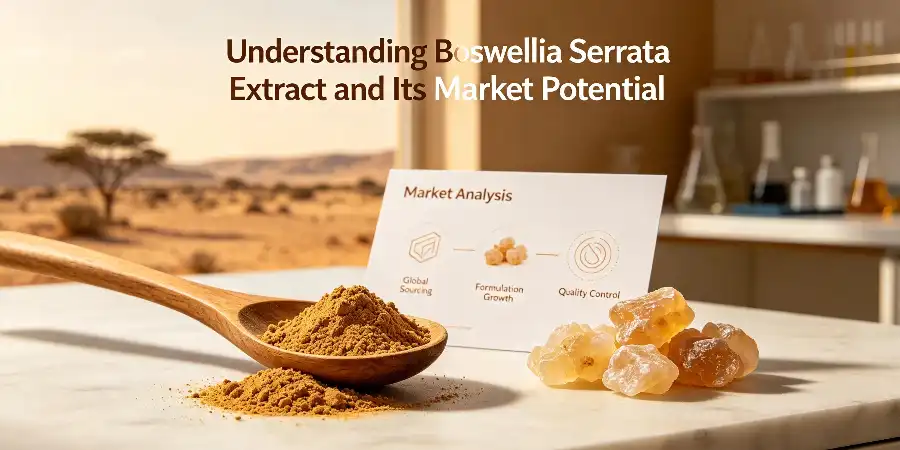
Bulk Boswellia Serrata Extract is produced from the natural gum resin secreted by the Indian frankincense tree (Boswellia serrata), a member of the Burseraceae family. Through gentle extraction, concentration, purification, and drying processes, this botanical ingredient becomes a highly concentrated source of boswellic acids—particularly AKBA (3-O-acetyl-11-keto-β-boswellic acid)—recognized globally as a gold standard for natural anti-inflammatory and joint care applications. The extract's unique ability to inhibit the 5-lipoxygenase (5-LOX) pathway positions it as a natural alternative to NSAIDs in nutraceutical formulations worldwide.
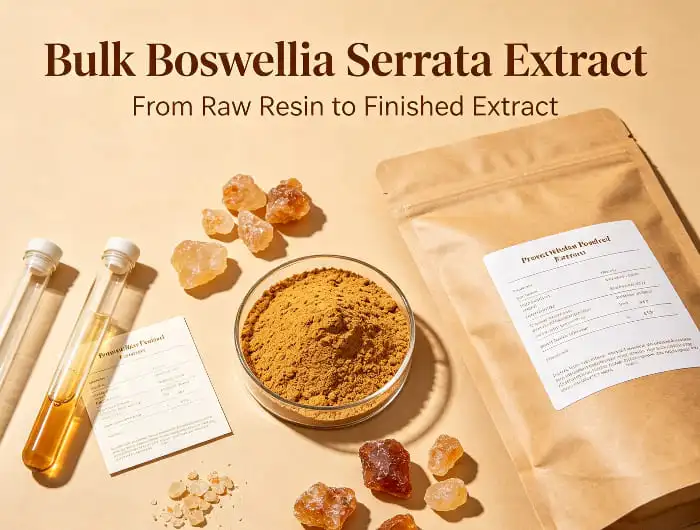
Understanding Boswellia Serrata Extract and Its Market Potential
Boswellia serrata has a good name because it has been used for hundreds of years in Ayurvedic medicine, and modern science keeps proving that it is effective. According to research, the bark from Boswellia serrata trees has strong bioactive chemicals that help reduce inflammation without the stomach problems that come with regular painkillers.
Botanical Origins and Key Active Compounds
The frankincense tree does best in dry, rocky parts of India, like Rajasthan and Madhya Pradesh. When the tree's bark is carefully cut, it releases a sticky, fragrant resin that hardens when it comes in contact with air. This resin has boswellic acids in it, which are a complicated mix of pentacyclic triterpenic acids that are the main effective parts of the extract. The strongest anti-inflammatory effect is shown by AKBA, which works by targeting the 5-LOX enzyme pathway. This makes it different from turmeric and other plant products that work in different ways.
Expanding Market Applications Across Industries
There has been a huge rise in demand for frankincense extract powder in many areas of the global health business. Joint health supplements are the biggest application segment. Standardized extracts are used to help make products that help with osteoarthritis, sports recovery, and improving mobility. Pharmaceutical companies are using more and more high-purity boswellic acid products in both over-the-counter medicines and herbal drugs that are still in the research stage.
Pet nutrition is now a market that is rising very quickly, since older pets need joint support just like older people do. Boswellia extracts are also used in equine care products for performance horses that have trouble moving around. In addition to using them for joint health, cosmetic companies put these extracts in high-end anti-aging serums and formulas for sensitive skin. They do this by using their anti-inflammatory properties to reduce redness and help the skin barrier function. As more clean-label products use plant-based chemicals, boswellia extracts are now more competitive with manmade options in markets across North America, Europe, and Australia-New Zealand.
Production Process and Standardized Plant Extraction Techniques
To make reliable, high-quality boswellia extracts, you need to use advanced extraction methods and strict quality standards. Traditional methods often led to batches that were not consistent and had varying levels of potency, which made formulation difficult for manufacturers. Standardized extraction techniques have changed the way things are made because they make sure that the concentration of boswellic acid is the same in every batch.
Advanced Extraction Methodology
The first step in our production process is to verify the authenticity of the raw materials using HPTLC fingerprint analysis, and for Frankincense Extract Powder, this makes sure that the products are 100% pure Boswellia serrata and that they haven't been tampered with with weaker resins or synthetic acids, which is a common problem in foreign markets, and the verified resin goes through special de-gumming processes using physical precipitation methods that get rid of the sticky, insoluble resin parts that cause problems with processing in later stages of production. This makes sure that the products are 100% pure Boswellia serrata and that they haven't been tampered with with weaker resins or synthetic acids, which is a common problem in foreign markets. The verified resin goes through special de-gumming processes using physical precipitation methods that get rid of the sticky, insoluble resin parts that cause problems with processing in later stages of production.
Instead of using dangerous industrial solvents like dichloromethane, food-grade ethanol is used for extraction. This keeps the amount of leftover solvent well below the limits set by USP and EP. This green extraction method fits nicely with the clean-label standards that health-conscious consumers are asking for more and more. The process of extraction carefully controls the temperature to protect compounds that are damaged by heat while getting the most of the target boswellic acids. After being extracted, the concentrate goes through steps of purification that make the active compound profile even better.
Achieving Standardization and GMP Compliance
We offer a number of standards requirements that are tested using approved analytical techniques. Total boswellic acids can be measured using the titration method at 65% or HPLC at 85%. AKBA concentrations vary from 10% to 30%, depending on the need of the application. Our ISO and GMP-certified quality control laboratory tests every production batch thoroughly, looking for heavy metals (like lead, arsenic, cadmium, and mercury), pesticide residues, microbial contamination, and physical properties like bulk density and particle size distribution.
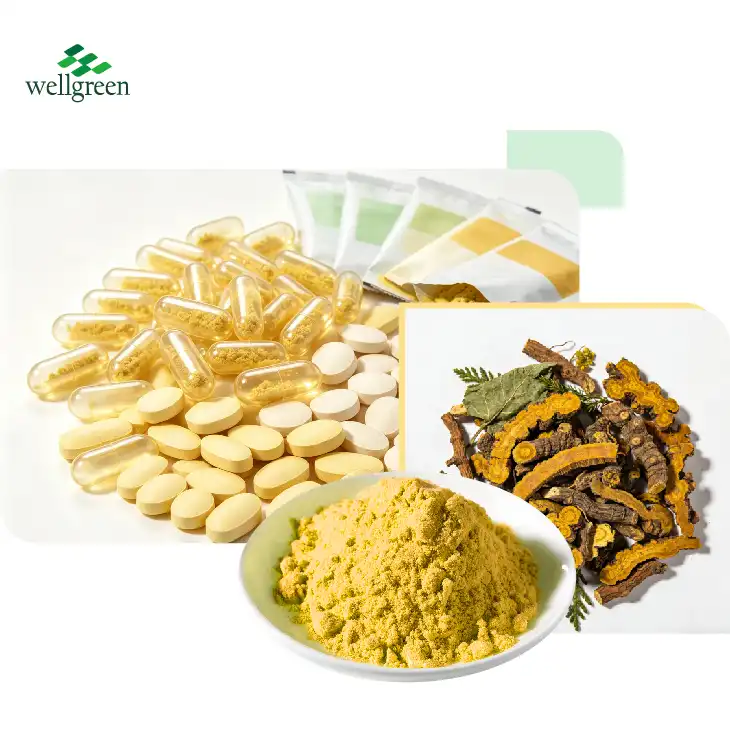
The finished powder has a uniform, pale yellow to off-white color and is made up of small particles that are best for filling capsules and making tablets. Our quality management system keeps full records from getting the raw materials to releasing the finished product. It does this by giving paperwork packages that meet the needs of NSF, USP, and cosmetic regulatory bodies in all major markets.
Quality Comparison and Product Forms for B2B Buyers
Knowing the differences between the different types of extract helps procurement teams make smart decisions about where to get the ingredients they need for their formulations and to meet legal standards.
Standardized Versus Non-Standardized Extracts
Standardized extracts make sure that the concentrations of active compounds are accurate, which lets formulators make goods that can consistently make claims of effectiveness that are backed up by clinical study. Non-standardized boswellia extracts can have AKBA amounts that are anywhere from 30% to 70% of the total boswellic acids, which makes dosing inconsistent and causes therapeutic results to vary. This predictability is very important for pharmaceutical applications that need consistency from batch to batch and for supplement makers who want to make more of the formulas that work well.
Available Product Forms and Processing Characteristics
When it comes to large-scale manufacturing, bulk powder is the most flexible form. Our advanced grinding technology solves the well-known "sticking and caking" problems that come up when preparing boswellia. Because it flows better, automatic pill filling machines and tablet compression machines can work more smoothly, which cuts down on downtime and waste. We have adjusted the settings for bulk density to make it easier to move materials during fast production runs.
In addition to improving the physical properties, we have also improved the sensory properties by using gentle low-temperature deodorization methods. Raw frankincense resin has a strong, resinous smell that many people don't like in dietary supplements. The way we process it makes a powder with a light, nice woody scent that mixes well with other materials without being too strong. These improvements to taste and smell make it easier to make new products, especially ones that don't have enteric coatings or flavoring systems.
Procurement Strategies for Bulk Boswellia Serrata Extract
When you use strategic sourcing, you have to look at suppliers in more than just terms of price. Because of how complicated the boswellia supply lines are, from how the plants are collected from the wild to how they are extracted, careful research is needed.
Supplier Evaluation Criteria
A company's certification portfolio shows how committed they are to quality systems, and for Frankincense Extract Powder, look for GMP approval that says the facility can make health supplements or medicines, not just food, and getting ISO 9001 quality management certification shows that you can control processes in a structured way, and organic certifications are useful for companies that want to sell natural products, but boswellia that is collected from the wild has different certification issues than plants that are grown in a garden. Look for GMP approval that says the facility can make health supplements or medicines, not just food. Getting ISO 9001 quality management certification shows that you can control processes in a structured way. Organic certifications are useful for companies that want to sell natural products, but boswellia that is collected from the wild has different certification issues than plants that are grown in a garden.
Authenticity verification tools set trustworthy sellers apart from commodity traders. Ask for proof that HPTLC fingerprint testing confirmed the species' identity. Ask about methods that can track finished extract batches back to specific resin collection areas. When buying from various middle-men, suppliers who work directly with harvesting groups usually offer less clear supply chains than those who don't.
Negotiating Terms and Managing Supply Relationships
When you order standardized extracts, the minimum order quantities are usually based on the batch sizes that are needed to keep costs low during specialized extraction runs. Knowing how seasonal factors affect resin gathering can help you predict changes in supply. For example, trees make the most resin during dry months, which is when most of the resin is collected. Having good ties with makers and keeping enough inventory on hand can help you deal with problems when they happen.
Pay close attention to the packaging integrity when it is being shipped internationally. Bulk Boswellia Serrata Extract products are hygroscopic, which means they can soak up water that can make things less fluid and maybe even help microbes grow. Double-layer packaging that blocks moisture and flushes with nitrogen keeps the quality of the product even after long periods of shipping and storage. Talk about different packaging options that work with your storage and receiving capabilities. This is especially important for large orders that need to be repackaged into smaller production lots.
Ensuring Safety, Efficacy, and Long-Term Supplier Partnerships
Quality sourcing goes beyond the original transaction and includes ongoing technical help and relationships where people work together to make new products.
Dosage Guidelines and Safety Considerations
In clinical studies on boswellia extracts, people usually take between 300 mg and 500 mg of a standardized extract (65% boswellic acids) two to three times a day to help their joints. Dosage Guidelines should reflect that higher amounts of AKBA might let serve sizes be smaller while still keeping the therapeutic effects. Cosmetics use much smaller amounts, usually between 0.5% and 2% in topical formulas.
There have been few reports of safety profiles with minimal reported side effects from using boswellia products, which means they are very safe. While COX-inhibiting pain killers can damage the stomach mucosa, the 5-LOX inhibition route does not. This means that frankincense extract can be used for a long time. But responsible sellers give full safety information, like poisoning studies and information on when not to use a product for certain groups of people.
Formulation Synergies and Technical Support
Leading extract manufacturers offer more than just raw materials; they also offer formulation expertise that cuts down on the time it takes to make new products. We keep a lot of information on how boswellia works with other ingredients that go well with it. Turmeric extract (curcumin) works well with other plants because it targets different types of inflammation, making the whole thing work better. Ginger extract helps with movement and relaxation even more. Undenatured type II collagen (UC-II) helps strengthen structures and works with boswellia's anti-inflammatory effects.
Our technical team helps B2B customers with stability testing methods that help them figure out how long a product will last in different storage situations. We give advice on how to choose the right excipients to get the best absorption and production efficiency. When you work together, your relationships with suppliers go from buying things one-time to building long-term partnerships that help your products do well in competitive markets.
Conclusion
Finding high-quality Bulk Boswellia Serrata Extract means balancing a lot of different things, such as the level of standardization, the processing technology, the quality certifications, and the potential for a supplier partnership. Because of its unique way of blocking 5-LOX and rising demand in joint health, pet nutrition, and cosmetics, the extract is an important ingredient for brands that want to stay ahead of the curve. When manufacturers provide their customers with verified raw materials, cutting-edge de-gumming techniques, and full technical support, their customers can make unique products that meet strict regulatory requirements and meet consumer expectations for natural, effective health solutions.
FAQ
What distinguishes standardized from non-standardized boswellia extracts?
Standardized extracts ensure certain amounts of active boswellic acids, usually 65% to 85% of the total acids or set AKBA percentages. This is checked using approved chemical methods, such as HPLC. Extracts that aren't standardized have different amounts of compounds that change from batch to batch, which makes the mixture less consistent. Standardization makes dosing clear, clinical results repeatable, and statements on product labels reliable, all of which are important for professional supplement creation.
How can buyers verify supplier authenticity and prevent adulteration?
Ask for HPTLC fingerprint analysis reports that prove the species identity of Boswellia serrata. Check that the certificates of analysis show that the boswellic acid profiles match those of real frankincense and not those of synthetic additives. When you can, go to factories to see how raw materials are inspected and how extraction equipment is used. Reliable sellers keep clear records that show how finished goods are linked to confirmed resin sources.
What minimum order quantities should buyers expect for bulk transactions?
For industrial-scale extraction, the minimum order size is usually between 25 kg and 100 kg, but this depends on the manufacturer's skills and the standards that need to be met. Because they are harder to process, highly specialized grades with narrow AKBA concentration ranges may have higher MOQs. Talk to your suppliers about inventory programs and flexible ordering options to find a balance between how efficiently you buy things and how much working capital you have.
Partner with a Trusted Bulk Boswellia Serrata Extract Supplier
Wellgreen Technology makes high-quality, standardized botanical extracts with the help of strong quality control systems and technical know-how. Our GMP-approved factory makes frankincense extract powder with sure levels of boswellic acid ranging from 65% to 85%, as well as high-potency AKBA specifications reaching 30%. We keep a lot of goods on hand so that we can quickly fill both test orders and large-scale production needs.
Every batch is carefully checked for heavy metals, pesticide leftovers, and microbes that could be harmful. This is done to make sure that the supplements meet USP standards and international beauty rules. Our own de-gumming technology makes powder flow better, which gets rid of common manufacturing problems that happen when capsules and tablets are being filled. In addition to raw materials, we also offer formulation support, which includes synergy data for combination products and custom extraction specs made to fit the needs of your particular application.
Whether you're working on new cosmetics, pet care products, or supplements for joint health, our team can help you find the right ingredients. We offer expert support and supply reliability that can turn finding the right Bulk Boswellia Serrata Extract from a problem into a competitive edge. Email our experts at wgt@allwellcn.com to talk about your unique needs, ask for samples, or look into OEM partnership possibilities. You can find out more about our full line of plant extracts and our dedication to quality at wellgreenherb.com.
References
1. Ammon, H.P.T. (2016). Boswellic Acids and Their Role in Chronic Inflammatory Diseases. Advances in Experimental Medicine and Biology, Vol. 928, Springer International Publishing.
2. Siddiqui, M.Z. (2011). Boswellia serrata, A Potential Antiinflammatory Agent: An Overview. Indian Journal of Pharmaceutical Sciences, 73(3), 255-261.
3. Abdel-Tawab, M., Werz, O., Schubert-Zsilavecz, M. (2011). Boswellia serrata: An Overall Assessment of In Vitro, Preclinical, Pharmacokinetic and Clinical Data. Clinical Pharmacokinetics, 50(6), 349-369.
4. Bannuru, R.R., Osani, M.C., Al-Eid, F., Wang, C. (2018). Efficacy of Curcumin and Boswellia for Knee Osteoarthritis: Systematic Review and Meta-Analysis. Seminars in Arthritis and Rheumatism, 48(3), 416-429.
5. Verhoff, M., Seitz, S., Paul, M., Noha, S.M., Jauch, J., Scharn, D., Koeberle, A., Werz, O. (2014). Tetra- and Pentacyclic Triterpene Acids from Frankincense: Boswellic Acids and Lupeolic Acids. Phytochemistry, 108, 196-205.
6. Raychaudhuri, S.P., Raychaudhuri, S.K. (2014). Botanicals in the Management of Psoriasis and Psoriatic Arthritis. Journal of Evidence-Based Complementary & Alternative Medicine, 19(4), 279-286.