How Bulk Green Tea Extract Supports Clean Label Product Development
2026-08-07 14:13:35
The clean label movement continues to reshape product development strategies across nutraceutical, functional food, and cosmetic industries. As procurement professionals navigate stricter regulations and heightened consumer scrutiny, Bulk Green Tea Extract has become a cornerstone ingredient for brands committed to transparency and natural formulations. Derived from Camellia sinensis through gentle water or ethanol extraction, this concentrated botanical powder delivers standardized polyphenols, catechins—particularly EGCG—and L-theanine, offering powerful antioxidant activity while meeting the stringent purity standards that clean label consumers demand. This comprehensive guide addresses the technical, regulatory, and procurement considerations that matter most to product developers, QA managers, and sourcing teams working to integrate this versatile ingredient into their portfolios.
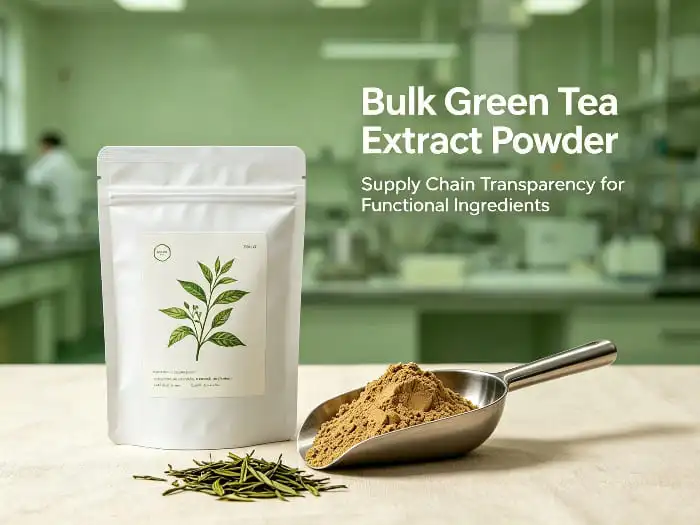
Understanding Bulk Green Tea Extract and Its Role in Clean Label Products
Bulk Green Tea Extract comes from a difficult plant and was made to be used in large amounts. Unlike plain tea powders, this extract is cleaned in several steps to get rid of any unwanted substances that might make the product less secure or less appealing to customers. This helps focus the good compounds.
Extraction Technology and Standardization
To make tea, the first thing you need to do is pick out the best leaves from managed growth areas. It is filtered, concentrated, and spray-dried to make a fine powder that is usually between 80 and 100 mesh. The manufacturers use either water extraction or food-grade ethanol for this step. This new technology makes the consistency even better, which is important for brands that handle large production runs in more than one facility. When you place an order with a good provider, you can get EGCG levels between 15% and 98%, total polyphenols between 50% and 98%, and total catechins between 30% and 90%. Formulators can use these standard ratios to make sure that all capsules, tablets, drinks, and skin creams have the right amount of medicine.
Clean Label Alignment Through Natural Sourcing
According to clean label principles, products should be easy to find, not be processed too much, and sources should be able to be checked. Bulk Green Tea Extract powder naturally meets all of these needs. A chemical name is not given on the label; it only says "green tea extract" or "Camellia sinensis extract," which makes people nervous. One of the main worries about clean labels is that they might not get rid of all synthetic pesticide leftovers. But organic certification choices that meet USDA or EU standards do. Getting tea from high-altitude areas in a way that doesn't harm the environment makes brand stories about being environmentally friendly better. This fits with the way that people who care about their health are making choices based on their beliefs more and more.
Regulatory Transparency and Traceability
The buying teams are getting more and more stressed to show that the whole supply chain is honest and open. Because of this, big companies that make extracts have set up full traceability systems that keep track of each batch from the time it is harvested until it is packed. There is a Certificate of Analysis that comes with every shipment. It shows how much of the active ingredients, microbes, heavy metals, and pesticide residues were tested. Brands are more sure of their ingredients when they get third-party approval from labs like SGS, Eurofins, or NSF. This helps them with their legal paperwork and talking to customers about the safety and quality of their ingredients.
Benefits of Using Bulk Green Tea Extract in Clean Label Product Development
Aside from being an antioxidant, green tea extract is useful for many other reasons as well. It has many perks that can be used to make different kinds of products and reach different industrial goals.
Antioxidant and Anti-Inflammatory Properties
There is one main catechin called EGCG in good green tea extracts. It is a much stronger antioxidant than vitamins C or E. Inclusion rates can be lowered with this strength, but the protection against oxidative stress is still very good. Researchers have found that polyphenolic chemicals in green tea stop enzymes that cause inflammation from doing their job. Because of this, the extract can be used in both food-based health products and skin care products that you put on your face to fight wrinkles, fine lines, and damage from the sun. According to a peer-reviewed study, these perks have been shown by science to be true. This means that brands can use them in their marketing.
Metabolism Support and Weight Management Applications
Fit food and nutrition businesses that want to boost metabolic health discover that green tea extract is very useful, and for Green Tea Extract Powder, with a little caffeine (or no caffeine for people who can't handle stimulants), the mix of catechins and caffeine helps the body burn fat and heat, and clinical studies have shown that these processes work, which gives supplement companies a good reason to say what they say about how their products' structure and function work together. With a little caffeine (or no caffeine for people who can't handle stimulants), the mix of catechins and caffeine helps the body burn fat and heat. Clinical studies have shown that these processes work, which gives supplement companies a good reason to say what they say about how their products' structure and function work together. This part of food works well in health shots, meal replacement drinks, and sports nutrition for busy people who want natural metabolic support.
Formulation Versatility Across Product Matrices
The element works much better in complex mixes now that the ways it is extracted and processed have been made better. Green tea leaves today are great at mixing with water, making drinks clear. They also don't have a strong bitter taste as older versions did. In other words, the extract can be used in ready-to-drink drinks, powders that dissolve, clear liquid vitamins, and even chewable sweets. The encapsulation and tableting processes work better because the powder has small particles and can flow more easily. Because it is stable, it can also be used in things that need to stay fresh for a long time without being refrigerated.
Understanding these advantages enables procurement teams to position green tea extract strategically within product development roadmaps, supporting innovation across multiple SKUs while maintaining clean label integrity.
Procurement Considerations for Bulk Green Tea Extract in Clean Label Manufacturing
This is how you can find the best supply partner: pay close attention to their practical skills, quality standards, and compliance papers. These all have a direct impact on the formulation's success and the regulators' trust.
Evaluating Purity Levels and Certifications
You can tell a lot of difference in quality between green tea extracts on the market. Food safety standards may be met by commodity-grade materials, but they often have higher risks of pesticide residues, inconsistent levels of active ingredients, and different flavors, which makes it harder to formulate. It costs more for premium-grade extracts, but they have to meet tighter standards and stay stable from batch to batch. They also have more paperwork for tests. Another level of trustworthiness is added by organic approval. This is especially helpful for brands that sell their goods in natural shops where customers carefully check where the ingredients come from. The people who buy things should ask for specifics about tests for pesticides, heavy metals like mercury, lead, cadmium, and arsenic, and microbiology reports with tests for yeast, mold, and pathogens.
Quality Gradations and Supply Chain Efficiency
People can make better choices about what to buy when they understand how the specifications of an extract relate to how it will be used. It costs more for supplements that are high in EGCG, but they work better in some situations. The right amount of polyphenols is good for functional drinks where the balance of taste is more important than having the highest bioactive content. Decaffeinated versions are made for certain groups of people, like those who can't or don't want to drink caffeine, people who are sensitive to it, and kids' products, where the presence of stimulants makes formulation harder. The minimum order quantities from different suppliers can be very different, which can make it hard to keep track of your inventory and cash flow. Companies that have been around for a while and can make a lot of things usually have faster lead times and more flexible buying terms. This makes the supply line less risky when new goods come out or when the seasons change and demand changes.
Partnering with Compliance-Focused Manufacturers
Foreign rules on products are very difficult, so a seller's ability to follow the rules is a big part of how well they do. When a factory is GMP-certified, it shows that they are committed to quality systems that keep goods from getting contaminated, keep the right paperwork, and help with regulatory checks. Suppliers who know about FDA rules, EU laws, and the trade rules for countries like Canada, Australia, and Japan can help brands make better products and avoid delays or bans at customs that cost a lot of money. It takes less time and costs less money to make mistakes when changing ingredients or making a new product when there are technical support teams that give formulation compatibility data, help with stability testing, and application advice.
Integrating Bulk Green Tea Extract into Your Product Line: Practical Guidance
For adding green tea extract to clean label products to work, you need to be very careful about the formulation details, dosing strategies, and following the rules that protect the product's performance and the brand's image.
Application Across Product Categories
It works well in a lot of different kinds of products, and for Green Tea Extract Powder, these supplements usually have between 250 mg and 500 mg of catechins per dose, which is a healthy amount, and littler amounts are used in drinks (often 50 mg to 200 mg per dose), but the taste is still taken into account, and skin care items use between 0.5% and 5% of the extract, and the antioxidant and anti-inflammatory qualities of the extract are what make it work to fight age and protect cells. These supplements usually have between 250 mg and 500 mg of catechins per dose, which is a healthy amount. Smaller amounts are used in drinks (often 50 mg to 200 mg per dose), but the taste is still taken into account. Skin care items use between 0.5% and 5% of the extract. The antioxidant and anti-inflammatory qualities of the extract are what make it work to fight age and protect cells. People who make functional snacks use the powder to make protein bars, energy bites, and candy with added nutrients because it doesn't change when processed normally.
Dosing Optimization and Stability Considerations
How much to take depends on the type of product and the results you want. Weight loss pills generally have 400 mg to 500 mg of a product that has been tested and found to have a lot of EGCG. This is often mixed with things like L-carnitine or chromium that help the body burn fat. For general health reasons, 200 mg to 300 mg of an extract that is moderately concentrated can be used. The main focus should be on antioxidant protection rather than metabolic effects. To check if a substance is stable, you should see how it reacts with other parts of the formula, how it reacts to changes in liquid pH, and how it breaks down in heat or light. Quality extracts usually stay useful for a normal amount of time if they are stored properly. However, formulators should make sure that the stability is maintained when the products are saved and sold in the real world.
Regulatory Compliance and Labeling Accuracy
You have to follow the rules set by the government very carefully if you want to make clean label claims. Ingredient lists have to accurately describe the extract, and they usually include standardization information like "green tea extract (50% polyphenols)." Dietary supplement structure-function claims have to follow FDA rules, which means they can't make disease claims but have to be clear about the benefits they're supposed to offer. It's possible that new rules about food in the EU and other markets will set specific rules or limits on how they can be used. When the procurement, R&D, and regulatory teams work together, they make sure that the marketing claims, the paperwork from suppliers, and the ingredient specs all match up perfectly. Making sure brands follow the rules keeps them from having issues that hurt their image and market access.
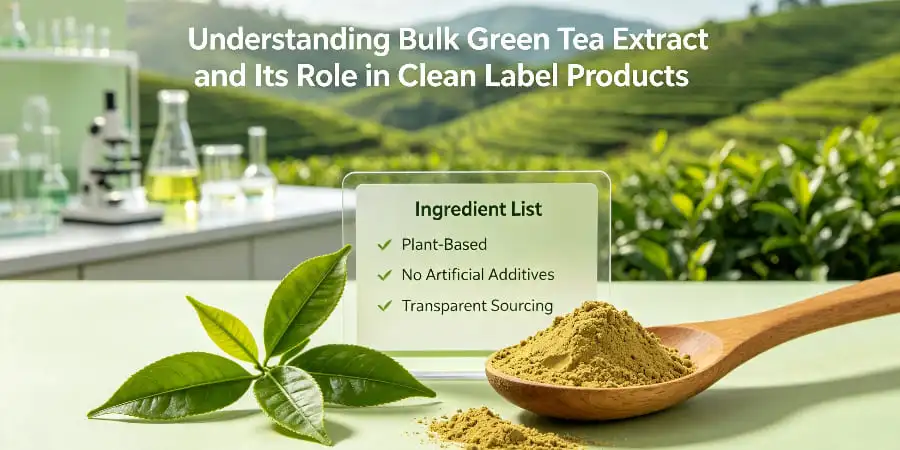
Case Studies and Market Insights: Bulk Green Tea Extract in Action
In the clean label market, which is very competitive, real-life examples show how picking the right ingredients and working with suppliers can help a product do well.
Successful Product Launch Examples
It's changed how a well-known North American supplement company's metabolism support line works. They added high-EGCG organic green tea extract and switched out fake caffeine for a natural mix of catechins and caffeine. A clean label strategy, along with proof from a third party and clear information on where the goods came from, led to big jumps in retail velocity in natural channel accounts. A company that makes functional drinks made a popular line of health drinks that are fizzy and contain green tea extract that mixes with water. The drinks were very clear and didn't lose their color as they were being served. As part of the "functional refreshment" trend, these items were bought by people who care about their health and want to drink something other than soda and beer.
Market Trends Driving Demand
As it does in North America and Europe, the clean label section keeps growing faster than other sections. Changes in rules, like the planned limits on man-made chemicals and fake stabilizers, speed up this change. This group is a good fit for green tea extract because it is both an antioxidant and a useful element. Plant-based goods, well-known names, and little processing have a big effect on what people buy, especially Gen Z and millennials, according to many consumer studies. Personal care items are also being hacked in the same way that food and vitamins are. The rules for clean beauty are starting to look a lot like the rules for clean food.
These market dynamics create compelling opportunities for brands that integrate high-quality botanical extracts into product development strategies, supported by supply partnerships that prioritize consistency, compliance, and technical excellence.
Conclusion
People want natural ingredients, and new extraction technology makes this possible. This is why Bulk Green Tea Extract is so important for making clean-label goods. People who work in procurement and know about standardization, quality grades, and the skills of suppliers can find ingredients that meet strict standards for purity and compliance and help meet formulation goals. It is better to work with makers who are committed to openness, rigorous testing, and application support as rules change and customer standards rise. This ingredient is very important for businesses that want to make safe, efficient, and clean-label products because it can be used in drinks, cosmetics, functional foods, and vitamins.
FAQ
What distinguishes bulk green tea extract from regular green tea powder?
The main things that set it apart are concentration and consistency. The ground tea leaves that are used to make regular green tea powder have different amounts of chemicals that are found naturally. By extracting and cleaning the tea, certain bioactive chemicals, like polyphenols, catechins, and EGCG, are brought to exact, standardized amounts in Bulk Green Tea Extract. With this percentage, formulators can use lower inclusion rates to get amounts that are the same and work well. When you work with an extract, you remove fiber, chlorophyll, and other parts that might make recipe-making harder or add a bad taste.
How should bulk green tea extract be stored to maintain potency?
How long things last depends a lot on how they are stored. The extract should be kept in containers that can't be opened. It should also be kept away from water, light, and large amounts of heat. Places that are cool, dry, and less than 25°C (less than 60% humidity) are the best places to store things. Antioxidants lose some of their power over time when they are exposed to air because catechins break down more quickly. A lot of food providers use nitrogen-flushed packing or packets that soak up oxygen to keep food fresh longer. If you keep them right, good extracts should be safe for 24 months after you make them. Always look at the technical data sheets that the supplier gives you to see how they recommend you store the items.
Are there any safety considerations or contraindications for green tea extract use?
After being taken in the right amounts, green tea extract is very safe. If a person is sensitive to EGCG pills that have more than 800 mg per day, their liver functions may change. However, these effects don't happen very often. Products with caffeine should have signs that explain what they are to pregnant women, kids, and people who are sensitive to caffeine. Good suppliers tell you everything you need to know about safety and the right amount to use based on government rules and public safety reviews. Brands should do the right safety checks and think about the people they want to sell to when they set product specs and dose guidelines.
Partner with Wellgreen for Premium Bulk Green Tea Extract Supply
If you want to make clean-label goods, Wellgreen Technology can help you. They make pharmaceutical-grade green tea extract powder that follows strict GMP rules. All of our mountain tea farms and state-of-the-art processing plants are linked in a single supply chain. This means that we can promise an exact match between batches, full control over heavy metals and pesticides, and a variety of specs, such as high-polyphenol, high-EGCG, and decaffeinated types. Every shipment comes with full COA paperwork, and SGS or Eurofins testing can be done by a third party to make sure everything is okay. Our expert team can tell you about recipe suitability, stability, and quick help with research and development. We also have low minimum order quantities that can be changed to fit your production needs. You can get samples and talk about how Wellgreen can help you improve your clean label ingredient collection by emailing wgt@allwellcn.com. At wellgreenherb.com, you can see all of our plant extracts and learn why top brands choose Wellgreen as their Bulk Green Tea Extract supplier.
References
1. Cabrera, C., Artacho, R., & Giménez, R. (2006). Beneficial effects of green tea—A review. Journal of the American College of Nutrition, 25(2), 79-99.
2. Chacko, S. M., Thambi, P. T., Kuttan, R., & Nishigaki, I. (2010). Beneficial effects of green tea: A literature review. Chinese Medicine, 5(1), 13-27.
3. Lambert, J. D., & Elias, R. J. (2010). The antioxidant and pro-oxidant activities of green tea polyphenols: A role in cancer prevention. Archives of Biochemistry and Biophysics, 501(1), 65-72.
4. Ananingsih, V. K., Sharma, A., & Zhou, W. (2013). Green tea catechins during food processing and storage: A review on stability and detection. Food Research International, 50(2), 469-479.
5. Reygaert, W. C. (2014). The antimicrobial possibilities of green tea. Frontiers in Microbiology, 5, 434-442.
6. Rothenberg, D. O., & Zhang, L. (2019). Mechanisms underlying the anti-depressive effects of regular tea consumption. Nutrients, 11(6), 1361-1378.