Chaga's Active Compounds: Benefits, Evidence & Evaluation
2026-05-06 14:20:57
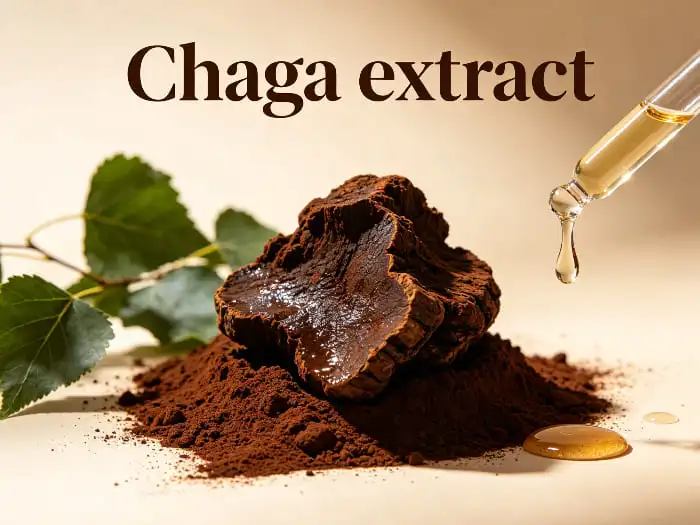
Chaga extract is a new way to eat mushrooms that comes from the parasitic fungus Inonotus obliquus, which grows on birch trees around the circumboreal areas. This naturally occurring polysaccharide-rich ingredient has a high concentration of bioactive compounds, such as beta-D-glucans, betulinic acid, melanin, and triterpenoids. These compounds make it an important part of functional drinks and antioxidant-focused supplements. Manufacturers get around the fact that raw fungal material can't be digested by using advanced hot water and dual solvent extraction methods. These techniques release therapeutic compounds that are standardised for consistent potency across nutraceutical, pharmaceutical, and cosmeceutical uses. More and more research is showing that it can help the immune system and fight free radicals. Because of this, B2B sourcing teams looking for dependable, effective botanical ingredients must think about it.
Understanding Chaga's Active Compounds
Primary Bioactive Constituents
Inonotus obliquus is useful for medicine because it has a lot of different nutrients in it. The main part that activates the immune system is made up of polysaccharides, mostly beta-(1,3)-(1,6)-D-glucans, which make up about 20% to 40% of quality extracts. These long-chain carbohydrates work with immunity receptors to change the production of cytokines and boost the activity of natural killer cells. Betulinic acid is a pentacyclic triterpenoid that is absorbed from birch trees and has strong anti-inflammatory and cell-killing effects. The pigment melanin, which gives chaga its black surface, is a very powerful antioxidant, with ORAC values higher than those found in common foods like blueberries. Some other substances are superoxide dismutase, polyphenols, ergosterol, and lanosterol derivatives. Each of these has its own biological activity that is important for the formulation goals.
Extract Versus Powder: Chemical Profile Differences
Raw chaga powder is made up of ground sclerotium with chitin cell walls that are still whole. These cell walls are resistant to digestive enzymes, so the therapeutic chemicals are not very bioavailable. Hot water extraction breaks down cell walls and concentrates polysaccharides that dissolve in water. Dual extraction (water and ethanol) also gets triterpenoids and sterols that bind to fat. High-quality extracts have consistent amounts of polysaccharides (30%) and betulinic acid (2–5%), which makes dosing and promises of effectiveness more reliable. The extraction ratio, shown as 10:1 or 20:1, shows how concentrated something is, but it doesn't ensure bioactive content without confirmation from a third party assay. When product makers choose between formats, they have to weigh the cost of one against the benefits of concentrated extracts, such as their better solubility, absorption rates, and formulation flexibility.
Geographic and Harvesting Impact on Potency
Wild-harvested chaga from Siberia, Northern Canada, and Alaska usually has higher bioactive concentrations than farmed varieties. This is because of environmental stressors and symbiotic birch relationships that make secondary metabolite production stronger. Places with a cold environment and birch forests (Betula pendula, B. pubescens) produce better melanin and polysaccharide profiles. For wild harvesting to be sustainable, only certain parts of grown birch trees must be cut down. This is so that host trees are not killed. Even though grown chaga provides a steady and traceable supply, it often creates lower amounts of betulinic acid because of artificial substrate limits. Procurement teams have to weigh these trade-offs: wild sources are the most powerful, but their supply can change and there are worries about their long-term viability; cultivated materials, on the other hand, offer stable logistics but may have less bioactivity. Certificate of Origin paperwork and suppliers' openness about harvesting methods are important evaluation factors for B2B buyers who care about both effectiveness and supply chain resilience.
Health Benefits Backed by Evidence
Immunomodulatory Mechanisms and Clinical Research
Several in vitro studies show that chaga polysaccharides boost the activity of macrophages, raise the production of interleukin-1 and tumour necrosis factor, and increase the number of lymphocytes. In studies published in the Journal of Ethnopharmacology, polysaccharide chaga mushroom extracts were shown to boost the immune systems of animal models by raising the number of white blood cells and improving the health of immune organs. The beta-glucan part binds to complement receptor 3 on immune cells, which starts a chain of signals that prepares the adaptive immune reaction. These mechanisms give scientific support to marketing claims made by nutraceutical brands making immune support formulations, though makers must be careful to stay within the rules when making disease claims. The compound is very useful for balanced immunity products aimed at health-conscious customers because it can normalise immune function, which means it can boost response without over-stimulation.
Antioxidant Capacity and Oxidative Stress Reduction
Oxygen Radical Absorbance Capacity (ORAC) scores show that chaga is one of the best natural sources of antioxidants. Its melanin and polyphenolic chemicals get rid of free radicals that damage cells and cause chronic diseases. Superoxide dismutase is an enzymatic antioxidant that is kept alive by the right extraction method. It gets rid of superoxide radicals that are made when metabolism works. Studies show that chaga's antioxidant profile is better than those of reishi and turkey tail mushrooms. This gives formulators an edge in the functional beverage and vitamin markets that focus on protecting cells and ageing well. Because extracted polysaccharides dissolve in water, they can be mixed into liquids without the problems that come with manmade antioxidants, like precipitation. Beauty and personal care brands use these qualities in anti-aging serums and skin protectants, taking advantage of the fact that antioxidants can work on the inside and the outside of the body.
Safety Considerations and Contraindications
It is usually thought to be safe to take chaga in standard supplement doses (500 to 1500 mg daily extract), as shown by clinical trials and traditional use patterns. Some conditions that might not be a good fit for this treatment include autoimmune diseases where stimulating the immune system could make symptoms worse, bleeding disorders where the drug might stop blood clotting, and upcoming surgeries. Because chaga has hormonal effects, people who are taking immunosuppressants or diabetes medicines should be careful. When regulatory managers look at adding chaga to a product, they need to keep these safety factors in mind when making the sign and figuring out the risk. Good providers give detailed safety data sheets and reports on adverse events that help with instructions on how to use their products correctly. Animal studies that didn't show any major toxicity and centuries of use by people back its status as a low-risk ingredient. However, responsible manufacturers keep clear communication about how to use it correctly and any possible interactions.
Evaluating Chaga Extracts and Products for Procurement
Product Format Selection and Application Matching
The market for chaga has a number of different forms, each of which is best for a certain use. Fine-mesh powders, with particle sizes usually running from 80 to 300 mesh, are good for filling capsules and pressing tablets in the process of making dietary supplements. Water-soluble chaga mushroom extracts, which are often spray-dried with maltodextrin carriers, mix easily into protein powders, functional drinks, and ready-to-mix health drinks without causing sedimentation. Encapsulated goods make things easier for consumers, but they limit the formulation options for B2B clients who are making their own blends. Tea-cut pieces are good for traditional ways of preparing tea, but they aren't standardised enough for clinical doses. Format characteristics must match the needs of the end use: formulators of drinks focus on solubility and stable colour profiles, while makers of capsules focus on flowability and moisture content below 5% for shelf stability.
Knowing these differences in formats helps buyers be clear about what they need when they're negotiating with suppliers. Dual-extracted powders that combine water and alcohol fractions give full-spectrum compounds that are good for high-end supplement lines. On the other hand, single-extraction variants are cheaper for product lines that are trying to stick to a budget. Liquid concentrates give functional food makers another choice if they don't want to handle powder.
Sourcing Verification and Quality Benchmarking
Checking the supplier's certifications is the first step in a thorough evaluation. These include ISO 22000, GMP, USDA Organic, and food safety standards specific to the area. Traceability paperwork should include the place where the plants were harvested, the date they were collected, and a botanical description that proves the plants are really Inonotus obliquus. Testing by a third-party lab for polysaccharide content using enzymatic-colorimetric methods, betulinic acid measurement using HPLC, and beta-glucan profiling sets the standard for quality. Heavy metal screening (for example, lead, cadmium, mercury, and arsenic), microbiology screens, and pesticide residue analysis all help with safety compliance, especially for markets in Europe and North America that have strict limits on contaminants. Well-known brands like Host Defence and Four Sigmatic have set guidelines for the industry that show what high quality should look like: polysaccharide content above 30%, beta-glucan verification, and full contaminant screening. Smart procurement teams ask for certificates of analysis that are unique to each batch, do regular audits, and keep an up-to-date list of approved suppliers every three months based on performance metrics and certification renewals.
Extraction Technology and Standardization Protocols
The main thing that affects bioactive yield and chemical composition is the extraction method. Hot water extraction (90–100°C for 2–4 hours) recovers the most polysaccharides but leaves triterpenoids in the waste. Lipophilic substances, such as betulinic acid and ergosterol, are captured by ethanol extraction (60–95% concentration). Sequential dual extraction, using hot water first and then alcohol, creates full-spectrum profiles that include both parts. Newer methods like ultrasonic and pressurised extraction offer shorter working times and lower temperatures, which might help protect heat-sensitive enzymes like superoxide dismutase. Standardisation methods set minimum guaranteed concentrations of marker compounds, which lets performance be the same from batch to batch. Buyers should ask for specifics about the extraction, such as the types of solvents used, the temperatures, the length of time, and the concentration ratios. Consistency in manufacturing depends on extraction protocols that have been tested and documented key control points. When suppliers use advanced extraction technologies along with strong quality systems, it's easier to plan large-scale production and send in regulatory paperwork.
How to Use Chaga Effectively: From Tea to Supplements
Dosage Guidelines and Formulation Strategies
According to scientific research and traditional use, daily amounts of 500 mg to 1500 mg of standardised extract, which is about 5 to 15 grammes of raw material, work well. In beverage applications, 200 to 500 mg per serving is usually used to find a good mix between effectiveness, cost, and flavour. Most capsules contain 400 to 500 mg of drug per unit, and it is suggested that you take two to three capsules every day to reach therapeutic levels. Most of the time, 1-2 gramme doses of powder supplements mixed into smoothies or functional foods are recommended. When formulating active ingredient loads, formulation chemists have to take into account the concentration of polysaccharides. For example, a 30% polysaccharide extract needs a different dose than a 10% specification to give the same amount of beta-glucan. Stability testing in both sped-up and real-time settings makes sure that bioactive levels stay the same over the shelf life, which is usually 24 months for dry chaga extracts that are properly packed. Formulators who are making combination goods should think about possible interactions and synergies and change the doses of each component as needed.
Integration with Complementary Functional Mushrooms
When you mix chaga with reishi, cordyceps, lion's mane, and turkey tail mushrooms, you get health benefits that work on more than one body system at once. Reishi adds more triterpenes and helps the immune system, cordyceps speeds up the metabolism and makes you more fit, lion's mane helps the brain by stimulating nerve growth factors, and turkey tail supports the immune system and has prebiotic benefits. Ratios change depending on the benefits you want to get. For example, immune-boosting blends might focus on turkey tail and chaga at a 40% total concentration, while adaptogenic blends put more emphasis on balancing cordyceps and reishi. People who are health-conscious and want to get all the benefits of functional mushrooms in a single dose will like these mixes. Manufacturers of protein supplements trying to set their lines apart, beverage developers making mushroom coffee alternatives, and OEM partners working with multiple retail outlets all find that mushroom complexes help with marketing and offer a wider range of therapeutic benefits. Quality providers that focus on mycological ingredients often offer pre-mixed mushroom blends with standard compound profiles. This cuts down on the time needed for research and development and makes sure that all species combinations are tested for compatibility.
Procurement Decision Support: Choosing the Right Chaga Solution for Your Business
Cost-Benefit Analysis Across Product Formats
When you do strategic buying, you need to model costs in a way that goes beyond just pricing things by the kilogram. While raw powder extracts may seem like a good deal, they need to be processed further before they can be used in beverages. Treatments to make them more liquid, hiding flavours, and improving stability all add costs that eat away at the initial savings. Spray-dried water-soluble extracts cost more, but they don't need these extra steps of processing, which speeds up time to market and makes formulations simpler. The most expensive product per dose is an encapsulated one, but private-label businesses that don't have the ability to encapsulate drugs can use them. Freight, customs duties, minimum order amounts, and payment terms must all be taken into account when figuring out the total landed cost. Tiered pricing can be used when you commit to a certain amount of goods. For example, if you sign a yearly contract with quarterly shipments, you can usually get 10-15% off of spot purchases. When suppliers offer flexible MOQs and blended inventory choices, smaller businesses don't have to worry about running out of working capital. Based on sales projections and yearly demand changes that are common in wellness categories, financial analysis should estimate needs for the next 12 to 18 months. To find a good balance between low costs and supply security, you need to use a variety of sourcing methods that keep quality high and don't rely on just one supplier.
Building Reliable Supplier Relationships
Long-term success in procurement rests on partnerships that are open, responsive to communication, and committed to always getting better. When choosing a supplier, you should look at their production capacity, how well they support technical issues, and how stable their finances are. Site visits or audits by a third party make sure that the conditions of production, storage, and documentation methods are all correct. Setting clear requirements through detailed purchase agreements stops confusion about what qualities are accepted, how to test them, and what to do if they don't meet standards. Business reviews that happen every three or six months are good times to talk about market trends, upcoming changes to the law, new ideas, and success metrics. Suppliers who invest in relationship management through dedicated account teams, proactive inventory tracking, and flexible fulfilment options show that they are interested in building partnerships rather than just doing business. Strategies for lowering risk include having qualified backup suppliers, safety stock policies that keep 60–90 day inventory buffers, and contractual terms that cover "force majeure" situations. Companies that care about the durability of their supply chains are looking for suppliers with strong business continuity plans and clear communication during disruptions. These were important qualities during recent global supply problems.
Conclusion
Chaga extract is a botanical ingredient that has been scientifically proven to work and can be used in a wide range of products in the nutraceutical, medicinal, functional food, and cosmetics industries. It has a lot of bioactive compounds, like polysaccharides, betulinic acid, and melanin, which help the immune system and fight free radicals. This is backed up by strong study done in cells and on animals. For B2B buying to go well, you need to know the differences between formats, how to judge quality, and how to manage relationships with suppliers. Whether a product is wild-harvested or cultivated, the type of extraction technology used, and the standardisation methods have a direct effect on how well it works and where it stands in the market. As the demand for functional mushrooms keeps going up, brands can gain a competitive edge in the growing wellness market by carefully choosing their ingredients and building ties with dependable suppliers. Manufacturers who focus on using certified, traceable, and standardised chaga products show a dedication to quality that resonates with customers who are becoming more knowledgeable.
FAQ
What makes chaga extract superior to raw chaga powder?
Chaga extract undergoes hot water or dual solvent processing that breaks down indigestible chitin cell walls, releasing and concentrating bioactive polysaccharides, triterpenoids, and melanin. Raw powder contains these compounds but in forms largely inaccessible to human digestion, resulting in minimal absorption. Extracts provide standardized potency with verified concentrations, enabling predictable dosing and efficacy—critical for supplement manufacturers and functional food developers requiring consistent batch performance and regulatory substantiation.
How do I verify chaga extract quality during supplier evaluation?
Request certificates of analysis documenting polysaccharide content via enzymatic methods, beta-glucan quantification through specific assays, and betulinic acid levels measured by HPLC. Verify third-party testing for heavy metals, microbiology, and pesticide residues. Check certifications including GMP, ISO 22000, and organic status when applicable. Confirm species identification as Inonotus obliquus and review traceability documentation showing harvest origin. Conduct pilot batch testing in your formulations before committing to large volumes.
Can chaga extract be used in clear beverage formulations?
High-quality water-soluble chaga extracts, particularly those spray-dried with carrier systems, dissolve cleanly in aqueous solutions though they typically impart amber to brown coloration. Achieving clarity requires specialized processing or acceptance of natural color as a product attribute—many functional beverages embrace the earthy appearance as authenticity signaling. Alternative approaches include microencapsulation technologies that can reduce color intensity while maintaining bioavailability, though these add cost considerations.
Partner with Wellgreen for Premium Chaga Extract Solutions
At Wellgreen Technology, we specialize as a trusted chaga extract manufacturer delivering standardized botanical ingredients to nutraceutical brands, pharmaceutical developers, functional beverage producers, and cosmetic formulators worldwide. Our GMP-certified production facility ensures rigorous quality control through every processing stage—from raw material authentication to final product testing. We maintain extensive inventory of both water-soluble and dual-extracted chaga powders, standardized to polysaccharide and betulinic acid specifications that meet your formulation requirements. Our technical team provides comprehensive support including mushroom complex formulation development, beverage application optimization, and OEM customization services tailored to your brand positioning. With certifications spanning ISO, USDA Organic, and Halal/Kosher, we address diverse market compliance needs. Benefit from our stable supply chain infrastructure, flexible minimum order quantities, and responsive communication—backed by decades of botanical extraction expertise. Contact our procurement specialists at wgt@allwellcn.com to discuss your chaga extract supply requirements and receive detailed technical specifications, certificates of analysis, and competitive quotations for bulk orders.
References
Géry, A., Dubreule, C., André, V., Rioult, J. P., Bouchart, V., Heutte, N., ... & Garon, D. (2018). Chaga (Inonotus obliquus), a future potential medicinal fungus in oncology? A chemical study and a comparison of the cytotoxicity against human lung adenocarcinoma cells and human bronchial epithelial cells. Integrative Cancer Therapies, 17(3), 832-843.
Zheng, W., Miao, K., Liu, Y., Zhao, Y., Zhang, M., Pan, S., & Dai, Y. (2010). Chemical diversity of biologically active metabolites in the sclerotia of Inonotus obliquus and submerged culture strategies for up-regulating their production. Applied Microbiology and Biotechnology, 87(4), 1237-1254.
Park, Y. K., Lee, H. B., Jeon, E. J., Jung, H. S., & Kang, M. H. (2004). Chaga mushroom extract inhibits oxidative DNA damage in human lymphocytes as assessed by comet assay. BioFactors, 21(1-4), 109-112.
Glamočlija, J., Ćirić, A., Nikolić, M., Fernandes, Â., Barros, L., Calhelha, R. C., ... & Soković, M. (2015). Chemical characterization and biological activity of chaga (Inonotus obliquus), a medicinal "mushroom". Journal of Ethnopharmacology, 162, 323-332.
Wasser, S. P. (2010). Medicinal mushroom science: History, current status, future trends, and unsolved problems. International Journal of Medicinal Mushrooms, 12(1), 1-16.
Shashkina, M. Y., Shashkin, P. N., & Sergeev, A. V. (2006). Chemical and medicobiological properties of chaga. Pharmaceutical Chemistry Journal, 40(10), 560-568.