Milk thistle: Amazing Benefits for Liver Health and Immunity
2026-05-05 14:00:00
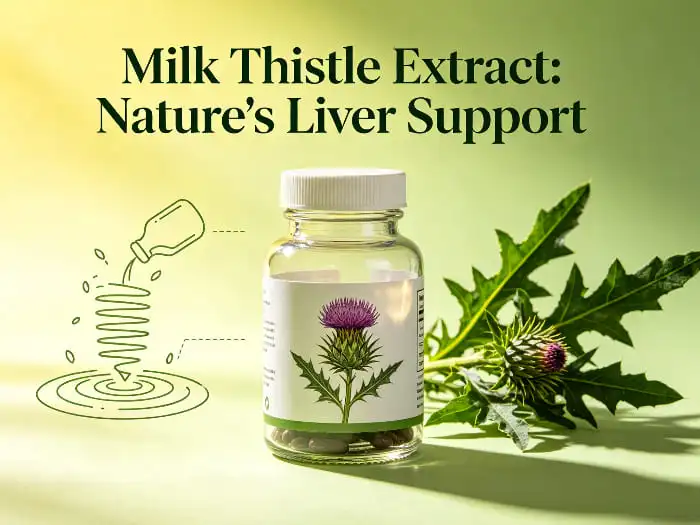
Milk thistle extract, which comes from the seeds of the plant Silybum marianum, is one of the best natural ingredients for protecting the liver and helping the immune system. This extract is known in the global nutraceutical market as a key ingredient for hepatoprotective formulations. Its standardised silymarin level ranges from 70% to 80%. Researchers have shown that it helps the liver heal, detoxify, and protect itself from free radicals. Because of this, it is an essential ingredient for people who are making dietary supplements, functional foods, and health drinks.
Understanding Milk Thistle Extract and Its Benefits for Liver Health
Botanical Origins and Extraction Process
Milk thistle is in the family Asteraceae and has been used as medicine in Europe and the Mediterranean for hundreds of years. Silymarin, a flavonolignan complex made up of silybin, silydianin, and silychristin, is the active ingredient that gives it its healing qualities. These bioactive chemicals are kept intact and high standardisation levels are maintained by modern extraction methods that use advanced techniques.
To separate silymarin from milk thistle seeds, professionals use either cold-pressing or chemical extraction. The extract powder that is made stays the same strength from batch to batch, which is important for stability in capsules, tablets, and complex liver support mixes. Suppliers who care about quality do thorough HPLC tests to check the quantity of silymarin, making sure that the product meets USP and EP pharmacopoeial standards.
Mechanisms Supporting Liver Cell Regeneration
There are several biochemical routes that silymarin uses to protect the liver. Researchers have found that silymarin stabilises cell membranes by attaching to phospholipids. This stops toxin from getting into hepatocytes. This process is especially helpful for people who are exposed to drugs, alcohol, or environmental pollutants that slow down liver metabolism.
Silymarin also speeds up the healing of damaged tissue by increasing protein production in liver cells. Regular supplementation helps keep liver enzyme levels normal. These enzymes are measures for liver function and are called alanine aminotransferase and aspartate aminotransferase. These results have made milk thistle a popular ingredient in products for people whose livers are under a lot of stress, like people who drink a lot of booze or work the night shift.
Antioxidant Defense and Immune System Support
In addition to its direct benefits for the liver, silymarin is a powerful antioxidant that fights free radicals and increases the production of glutathione. Glutathione is the liver's main cleansing enzyme, so improving it is an important part of overall liver health plans. This antioxidant power also affects the immune system, because lowering oxidative stress helps keep the body's inflammatory reactions in check.
When compared to other plant extracts, they show clear benefits. Turmeric reduces inflammation in a wide range of tissues, and dandelion root helps the flow of bile. However, milk thistle is still the best at protecting and repairing liver cells. Because of this, formulators can use milk thistle powder as the main ingredient in liver-focused goods while mixing it with herbs that work well with it, such as artichoke extract or N-acetyl cysteine, to get even better results.
Key Product Considerations for B2B Procurement – Quality, Dosage, and Forms
Standardization and Quality Parameters
Procurement teams must put standardised silymarin concentrations at the top of their list when reviewing suppliers. Standard ranges for silymarin content are between 40% and 80%, with premium versions preferring 70–80% standardisation for therapeutic dosing. Consistency between production batches has a direct effect on how well a product works and how much people believe it. This is why supplier documentation like Certificates of Analysis and third-party lab verification must be done.
Another choice is between organic and conventional sources. Brands that care about having clean labels like organic certification, and it gives brands a premium place in markets like North America and Western Europe. But conventional extracts that meet strict rules on pesticide residues are cheaper options that don't put safety at risk. Suppliers who can offer both choices make it possible for product lines to grow in a way that fits the needs of different market segments.
Processing that is vegan-friendly meets the needs of more and more customers, especially those who like supplements. Making sure that the extraction solutions and encapsulation materials don't have any animal-derived ingredients increases their marketability. GMP-certified factories make sure that these standards are always met, which lowers the regulatory risks during foreign shipping.
Delivery Format Selection
The right delivery format is chosen based on the target application and the consumer's choice for ease of use. Here are the main choices that producers can make:
Capsules are the most common form of liver health supplements because they are easy to standardise dosages and are known to consumers. Vegetable capsules with a hard shell hold exact amounts of silymarin and keep the extract safe from moisture and oxidation. This structure works well for daily maintenance plans and incorporating them into larger wellness plans.
Powder forms give you a lot of options for making functional drinks and custom supplement blends. However, milk thistle naturally doesn't mix well with water, so it needs to be processed in a certain way to make it work. Using microencapsulation or complexing with phosphatidylcholine to make phytosomes improves their solubility and absorption, which solves a major technical problem for people who make drinks.
It is best to use liquid extracts and tinctures for quick absorption in situations where the liver needs immediate help, like after drinking alcohol or during cleansing. To hide the naturally bitter taste of milk thistle in these forms, careful formulation is needed to keep the extract stable over time.
Because each type has its own benefits for certain uses, brands can make their product lines stand out based on how customers live and what they like. Contract manufacturers gain when suppliers offer a range of formats and offer technical support to help them make the best formulations.
Dosage Recommendations and Application Timing
Based on clinical studies, the daily recommended doses of silymarin are between 140 mg and 420 mg, spread out over two to three doses. Lower doses (140–210 mg daily) are usually used in products meant to protect the liver, while higher doses are used in intensive support formulas for people with high liver stress. Timing suggestions say to take it with food to help it absorb better and lessen any weak stomach effects that might happen.
For OEM and private label partners, customisation goes beyond dosage and includes recipes that are mixed together. When you mix milk thistle powder with other ingredients that work well together, like alpha-lipoic acid, selenium, or B-complex vitamins, you get a full liver support system that works on many metabolic processes. People who care about their health and want holistic wellness options instead of single-ingredient supplements are drawn to these kinds of formulations.
Navigating Milk Thistle Extract Procurement – Market Trends and Supplier Insights
Market Dynamics and Pricing Structures
Hepatoprotective supplements are still in high demand, according to a recent market study. This is because more people are becoming aware of how lifestyle choices can put stress on the liver and about health trends that aim to avoid illness. The price of extract depends on how standardised the silymarin is, whether it is organically certified, and how much you order. More standardisation naturally leads to a higher price point, and bulk buying deals give established names with steady demand economies of scale.
When it comes to wholesale price, discounts are usually based on the minimum order quantity, and contract manufacturers who work with more than one brand can make flexible arrangements. Long-term supply deals and subscription models are good for both parties because they keep inventory stable and ensure steady cash flow. This is especially helpful for markets like North America where New Year's wellness campaigns cause big sales jumps.
Quality difference is still the main thing that drives value, even when price is taken into account. Extracts that come with full testing records, such as heavy metal screening, mycotoxin analysis (especially aflatoxin controls), and pesticide residue verification, are worth the extra money because they lower regulatory risk and improve brand image.
Supplier Evaluation Criteria
Finding trusted supply partners requires looking at things from a lot of different angles. Manufacturing certifications, such as GMP, ISO, and organic badges, set the standards for quality. In addition to certifications, suppliers who can show consistency from batch to batch through statistical process control and offer full traceability from where the raw materials come from to where they are packaged at the end are the only ones who can provide the reliability that controlled health product markets need.
The ability to provide technical help sets exceptional suppliers apart from commodity providers. Partners who give formulation advice, stability testing data, and compatibility assessments for complex formulas with many ingredients shorten the time it takes to make a new product and lower the risks of having to change the formula. This information is especially useful when making unique products like drinks that help with hangovers or advanced phytosome complexes that need technical processing know-how.
Businesses at different stages of growth can use flexible minimum order amounts. Ordering in bulk is good for well-known names with steady demand, but new businesses and contract manufacturers with a wide range of clients need suppliers who can handle smaller orders without charging more or taking too long to deliver.
Logistics and Storage Optimization
Handling things correctly throughout the supply chain keeps the extract's strength and makes it last longer. The powdered milk thistle extract stays stable as long as it is kept cool and dry, out of direct sunlight, and in sealed containers that keep wetness out. The best temperatures for holding are between 15°C and 25°C, and the relative humidity should be less than 60%.
When shipping, it's important to choose the right type of container for foreign travel, and for places with humid climates, moisture-barrier packaging is a must. Lead times depend on where the supplier is located and how complicated the order is, but for foreign shipments, they are usually between two and six weeks. Setting up inventory backup stocks stops production delays during times of high demand or sudden problems in the supply chain.
How to Choose the Right Milk Thistle Extract for Your Business Needs?
Aligning Product Selection with Market Segments
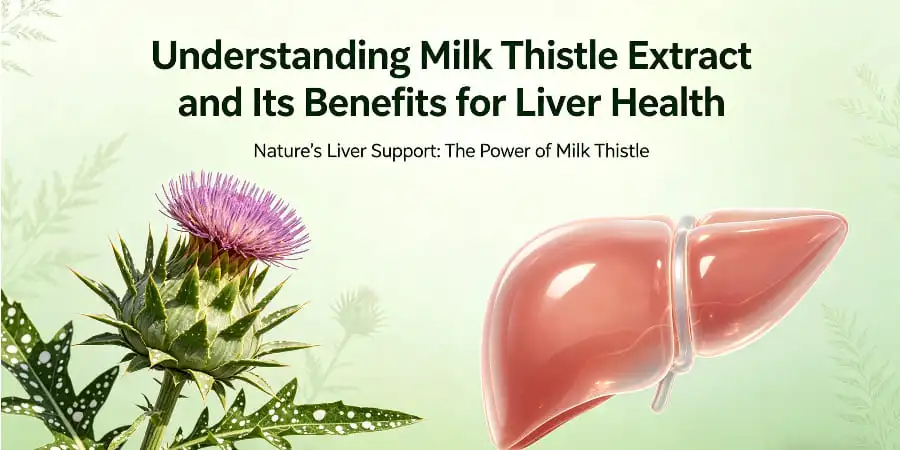
You need to know who your target customers are and what they will use the ingredients for before you can choose key ingredients. People who care about their health and are stressed at work can benefit from capsule forms that are easy to carry and come in moderate amounts that are good for daily maintenance. Big brands make stronger formulas with a lot of different chemicals for people who need more liver support, like people who are trying to cut down on how much alcohol they drink.
Functional beverage makers have to deal with certain technical problems that need extracts that can be mixed with water and taste good. Extracts that are microencapsulated or phytosome-complexed make them easier to dissolve and more bioavailable at the same time. Because of this, the higher costs for premium ingredients are worth it because they improve the user experience and back up claims of effectiveness.
Antioxidant properties of milk thistle are used in cosmetics to make skin care items that slow down the ageing process. Extracts need to be treated in a certain way so that they can be mixed with emulsions and stay stable across a pH range for cosmetics. For this group of people, the needs are different from those for oral vitamins.
Comparative Positioning Against Alternative Botanicals
To place a product, you need to know what makes milk thistle different from other ingredients that protect the liver. There are many types of inflammation that turmeric can help with, but milk thistle is the only one that has specific ways to help keep liver cell walls stable. It's good for your gut because dandelion root lowers cholesterol, but it doesn't do as much to help liver cells. Since both artichoke extract and milk thistle help the body make bile, it is a good idea to use them together.
From this, it looks like milk thistle works best as the main ingredient in recipes that focus on the liver. Other plants, on the other hand, help with nearby health problems. When brands place their supplements in this way, they can use clear, evidence-based language that stands out in crowded areas.
Procurement Checklist and Supplier Partnership Strategies
It's easier to choose suppliers and keep up with your relationships with them when you use a systematic evaluation approach. Some important things to look at when judging are whether the silymarin standardisation is consistent by going through batch paperwork, whether the certification is real by calling the provider directly, and how responsive the communication was during the initial question stages.
As part of the technical capability assessment process, it is necessary to ask for and look over stability data for the planned storage conditions, suitability data for the planned formulation matrices, and proof that the analytical testing methods are in line with pharmacopoeial standards. When suppliers give full sets of technical data, it shows that they care about quality and lowers the risks of formula creation.
Reviewing supply capacity makes sure that partners can grow with the company. You can find out if sellers can keep their goods in stock even if demand rises or the market for raw materials changes by asking about their production capacity, the different ways they get raw materials, and how they handle their stock.
Instead of making short-term deals, both sides benefit from long-term relationships. Sharing information about the market, working together to create unique formulations, and being open about how the market is doing are all examples of collaborative methods that give companies an edge that is hard for competitors to copy. If suppliers value these ties, they will often offer better terms and give you more time when supplies are low.
Conclusion
Milk thistle extract is one of the most important ingredients used by companies to make goods that support liver health and the immune system. It is important for brands participating in the growing category of hepatoprotective supplements because it has strong clinical evidence, is well-known in the market, and can be used in a lot of different ways. Good procurement strategies combine quality requirements like standard silymarin content and thorough testing documentation with practical issues like choosing the right format, making sure the rules are followed, and making sure the supplier can be trusted. By knowing the technical details of what premium extracts are, how they should be used for different types of products, and how the market affects pricing and availability, procurement professionals can make smart choices that improve product lines and increase customer trust. As more people learn about preventative liver care, the market for well-formulated products with good chemicals and reliable supply partnerships continues to grow.
FAQ
What is the optimal daily dosage of milk thistle extract for liver support?
Clinical research supports daily silymarin intake between 140 mg and 420 mg, divided into multiple doses taken with meals. Preventive maintenance protocols typically use 140-210 mg daily, while intensive support for individuals with elevated liver stress may employ up to 420 mg. Formulation specifications should align with target consumer needs and intended use claims.
Are there any significant side effects or drug interactions to consider?
Milk thistle demonstrates excellent safety in clinical studies, with mild gastrointestinal effects occurring rarely. Important considerations include potential interactions with medications metabolized through cytochrome P450 pathways, including certain anticoagulants and antidiabetic drugs. Products should include appropriate labeling advising consultation with healthcare providers for individuals taking prescription medications or those who are pregnant or nursing.
How does milk thistle compare to other liver detox herbs like turmeric and dandelion root?
Milk thistle offers unique hepatocyte membrane stabilization and liver cell regeneration properties not replicated by other botanicals. Turmeric provides broad anti-inflammatory effects, while dandelion root primarily supports digestive health through bile stimulation. Many formulators combine these ingredients to address multiple liver health pathways, positioning milk thistle as the core hepatoprotective active with complementary botanicals for comprehensive support.
Partner with a Trusted Milk Thistle Extract Manufacturer
Wellgreen Technology specializes in delivering premium-grade milk thistle extract with standardized silymarin content ranging from 40% to 80%, tailored to your specific formulation requirements. Our GMP-certified manufacturing facility ensures consistent batch quality with rigorous heavy metal and pesticide residue controls meeting international export standards. We support OEM/ODM development for complex liver health formulas, providing complete technical documentation including COA reports and HPLC analysis. With substantial inventory capacity, flexible minimum order quantities, and rapid delivery capabilities, we serve nutraceutical brands, contract manufacturers, and functional food developers seeking reliable supply partnerships. Contact our team at wgt@allwellcn.com to discuss your milk thistle extract sourcing needs and explore custom formulation opportunities.
References
Abenavoli L, Capasso R, Milic N, Capasso F. Milk thistle in liver diseases: past, present, future. Phytotherapy Research, 2010; 24(10):1423-1432.
Flora K, Hahn M, Rosen H, Benner K. Milk thistle (Silybum marianum) for the therapy of liver disease. American Journal of Gastroenterology, 1998; 93(2):139-143.
Polyak SJ, Morishima C, Shuhart MC, Wang CC, Liu Y, Lee DY. Inhibition of T-cell inflammatory cytokines, hepatocyte NF-kappaB signaling, and HCV infection by standardized Silymarin. Gastroenterology, 2007; 132(5):1925-1936.
Saller R, Brignoli R, Melzer J, Meier R. An updated systematic review with meta-analysis for the clinical evidence of silymarin. Complementary Medicine Research, 2008; 15(1):9-20.
Wellington K, Jarvis B. Silymarin: a review of its clinical properties in the management of hepatic disorders. BioDrugs, 2001; 15(7):465-489.
Gazak R, Walterova D, Kren V. Silybin and silymarin–new and emerging applications in medicine. Current Medicinal Chemistry, 2007; 14(3):315-338.