How Chaga Extract Can Benefit Your Health?
2026-05-13 14:08:07
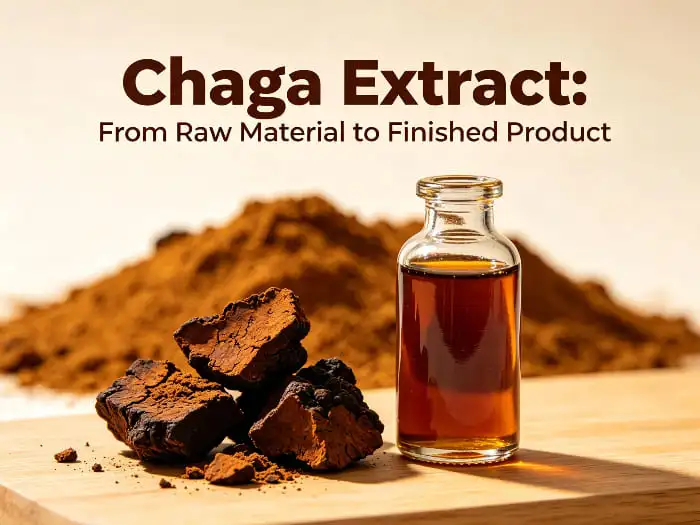
Chaga extract comes from the Inonotus obliquus fungus that grows on birch trees. It is a concentrated plant-based ingredient that is high in polysaccharides and is commonly used in functional foods and antioxidant supplements. Manufacturers get around the fact that raw chaga's chitinous cell walls are hard to digest by using advanced hot water and dual-solvent extraction methods. These methods produce standardised beta-glucan and triterpenoid profiles that consistently help the immune system, fight inflammation, and act as antioxidants. This bioavailable format solves important formulation problems in the functional beverage, medicinal, and nutraceutical industries, making it a useful ingredient for making healthy products.
Understanding Chaga Extract and Its Health Benefits
What Makes Chaga Extract Different from Raw Chaga Powder?
Ground chaga mushroom powder has tough chitin structures that human digestive enzymes can't break down. Extracted forms, on the other hand, use heat and solvents to free bioactive chemicals. Using hot water to extract mostly separates polysaccharides like beta-(1,3)-(1,6)-D-glucans, while ethanol to extract mostly gets rid of lipid-soluble triterpenoids like betulinic acid. Dual extraction uses both methods together to get a full-spectrum profile that can be used in supplement pills, functional drinks, and cosmetics that are put on the skin.
Key Nutritional Components and Bioactive Compounds
This fungus comes from birch trees and is useful for medicine because it has a lot of polysaccharides, melanin, phenolic chemicals, and triterpenes. Polysaccharides change the immune system by turning on macrophages and natural killer cells. Multiple studies have shown that it has over 30 times higher oxygen radical absorbance capacity (ORAC) values than blueberries. This is because melanin plays a part in its amazing antioxidant power. In preclinical study, betulinic acid, which comes from host birch trees, has been shown to reduce inflammation and kill abnormal cell lines.
Scientifically Backed Health Benefits for Product Formulation
Clinical and lab studies have found a number of therapeutic pathways that are important for B2B product makers. A 2019 study in Biomedicine & Pharmacotherapy showed that immune cell proliferation and cytokine release were greatly improved by polysaccharide fractions from Inonotus obliquus in mouse models. Downregulation of pro-inflammatory mediators like tumour necrosis factor-alpha and interleukin-6 is one of its anti-inflammatory processes. This makes it a good choice for joint health and wellness formulations. Antioxidant activity helps protect cells from reactive stress, which is linked to getting older, heart health, and skin integrity. Because these benefits are backed by proof, formulators can make products that are positioned as healthy in competitive markets.
Comparative Antioxidant Performance Against Other Medicinal Mushrooms
The antioxidant and total phenolic content of chaga are typically higher than those of reishi (Ganoderma lucidum) and turkey tail (Trametes versicolor). A comparison study in the International Journal of Medicinal Mushrooms found that chaga extracts had higher DPPH radical suppression rates. This is because they contain a special mix of melanin and phenolic acids. This difference helps brands decide what to buy when they want to put antioxidants front and centre in functional drinks and anti-aging products.
How to Use and Dose Chaga Extract Safely?
Recommended Dosage Parameters for Commercial Formulations
Adults usually take between 500 mg and 2,000 mg of standardised chaga mushroom extract every day, but this depends on the amount of polysaccharides and the health claims that are being made. Most products that are standardised to 30% polysaccharides say that you should take 1,000 mg in two doses. Serving sizes for liquid medicines that use two different extraction methods are usually between 1 and 2 mL, which is about 500 to 1,000 mg of dry herb. OEM manufacturers should calibrate dosing based on test results from a third party, making sure that all output batches are the same.
Application Guidelines for Different Product Formats
Because powdered extracts are easy to mix with warm water, they are great for making functional teas, protein blends, and ready-to-drink health shots. Spray-drying or granulating forms that are water-soluble make it easier for them to mix with cold drinks, which is helpful for energy drinks and electrolyte mixes that have trouble mixing the ingredients. Nutraceutical brands that want to help the immune system or the metabolism can use capsules and tablets to give the right amount of medicine to each person. Extracts are added to serums and creams in cosmetics at concentrations of 2 to 5 percent. Melanin and antioxidant qualities are used to make skin defence formulas.
Safety Considerations and Quality Control Measures
Even though chaga is usually thought to be safe, it may interact with blood thinners because it contains natural compounds that change how platelets stick together. Formulators should put warnings on the labels for people who take blood thinners or have autoimmune diseases. Strict testing rules are needed because heavy metals can get into food from wild-harvested sources in industrial areas. GMP-certified suppliers use ICP-MS to check for arsenic, lead, cadmium, and mercury, making sure they follow the guidelines set by the USP and the EU Pharmacopoeia. Throughout the supply chain, total plate count, yeast, mould, E. coli, and Salmonella microbe screening keeps the purity of the product.
Comparing Chaga Extract with Other Functional Mushroom Products
Chaga vs. Reishi: Bioactive Profiles and Use Cases
The triterpenic acids (ganoderic acids) in reishi mushrooms help the body deal with stress and improve the quality of sleep. On the other hand, the polysaccharides and melanins in chaga mushrooms focus on immunity and antioxidant pathways. When making mixes for calming or nootropic effects, reishi is often combined with L-theanine. On the other hand, chaga works well with antioxidant-focused energy drinks and immune support capsules. Knowing these differences helps people who make products make mushroom mixes that work well for many health reasons without using too many of the same ingredients.
Extract vs. Powder: Bioavailability and Manufacturing Implications
Raw powdered chaga still has all of the fungus's biomass, including fibres that can't be digested and make standardisation harder. Extracts concentrate active ingredients into ratios that can be predicted. This makes quality control easier and lets health claims be checked. Because extracts have lower inclusion rates, they make manufacturing more efficient. For example, 500 mg of a 10:1 extract is bioactively equivalent to 5,000 mg of raw powder. This density lowers the number of capsules needed and increases customer compliance, both of which are important for positioning supplements in a competitive market.
Wild-Sourced vs. Cultivated Chaga: Procurement Trade-Offs
Wild-harvested chaga from Siberian and Canadian birch woods has a higher betulinic acid content because of natural tree symbiosis, but it is hard to keep getting and isn't always available. Cultivated alternatives grown on birch wood substrates are available all year and can be grown in controlled settings that lower the risk of contamination. When choosing sourcing methods, procurement managers have to think about how to balance ecological responsibility, cost structures, and bioactive profiles. Certified organic and wild-harvested choices cost more, but they fit with brand positioning that focuses on clean labels and sustainability.
Procurement Insights: Sourcing and Buying Chaga Extract at Scale
Identifying Reputable Suppliers and Certification Requirements
Qualified suppliers keep their ISO 9001 and ISO 22000 certifications, which show that they handle quality and food safety in a systematic way. GMP compliance for dietary supplements (21 CFR Part 111 in the US) makes sure that products can be tracked, that testing methods are reliable, and that production environments are kept under tight control. Organic approvals from the USDA, the EU, or similar groups prove that the food is grown without pesticides and that the harvesting is done in an ethical way. Professional suppliers can be told apart from speculative traders by the clear paperwork that comes with their certificates of analysis (CoAs). This includes chromatography reports for polysaccharide content and microbial screening.
Pricing Structures and Cost Variables
Bulk pricing is based on a number of factors, including the difficulty of the chaga mushroom extract method, the level of standardisation of the polysaccharides, the origin area, and the organic certification status. Because they are easier to make, hot water extracts usually cost less than dual-extraction types. Standardised extracts with 30–50% carbohydrate content are more expensive than materials that aren't standardised. Volume levels have a big effect on unit economics; buying more than 500 kg often opens up better price structures. Long-term supply agreements that promise to a certain amount of goods every year keep costs stable and make sure that the right supplies are sent to the right people when harvest times change.
Supplier Evaluation Criteria for Risk Mitigation
Comparing prices is only one part of due research. Check out the technical support that suppliers offer, such as formulation help and tools for application testing. Supply chain openness includes keeping records of where crops were grown, inspecting extraction facilities, and using batch tracking systems. Referrals from customers of well-known names prove that the product is reliable and consistent. Sampling programmes let you try at the bench level before committing to large amounts, which lowers the risk of formulation problems and compatibility issues. Adjusting polysaccharide ratios, particle size distributions, or solubility characteristics based on customer requirements shows production flexibility, which is important for proprietary formulations.
Maximizing Business Value with Chaga Extract Products
OEM and ODM Opportunities in Health Supplement Portfolios
Contract makers are adding chaga to multi-mushroom blends that include reishi, lion's mane, and cordyceps to make formulas that help the immune system and the brain. Standardised extracts allow for exact blend ratios, which backs up claims on the label and clinical proof. Formula creation, stability testing, and regulatory documentation packages are all part of turnkey solutions. This speeds up the time it takes for new brands to get to market. Private-label partners benefit from supply chains and quality assurance systems that are already in place. This lowers the amount of capital needed and makes operations simpler.
Market Positioning Strategies for B2B Clients
Chaga is used by health drink companies in cold-pressed juices, kombucha mixes, and functional coffee alternatives because it is an antioxidant and a natural source of energy. Clean-label marketing stresses wild-sourced sources and dual-extraction processing as ways to tell the difference in quality. Nutraceutical companies target groups interested in immune health with seasonal ads that highlight clinical studies on how polysaccharides activate the immune system. Based on ORAC values and oxidative stress studies, cosmetic companies sell skin care lines with melanin-rich ingredients to protect against UV rays and slow down the ageing process.
Educational Resources and Technical Support
Value-added suppliers offer formulation guides that list solubility profiles, pH stability ranges, and popular excipients that are compatible. A set of webinars on the science behind mushroom extraction and how to follow the rules make product development teams stronger. White papers that summarise clinical research and mechanism-of-action data back up marketing claims and efforts to teach consumers. These tools help people make better decisions and strengthen business relationships that are based on technical cooperation instead of transactional sourcing.
Conclusion
Chaga extract delivers measurable advantages for B2B clients across nutraceutical, pharmaceutical, functional food, and cosmetic sectors through its standardized polysaccharide content, superior antioxidant capacity, and versatile formulation compatibility. Understanding extraction methodologies, dosing parameters, and comparative positioning against other medicinal mushrooms enables procurement professionals to select ingredients that align with specific health claims and market positioning strategies. Strategic supplier partnerships emphasizing quality certifications, transparent testing, and technical support ensure consistent product performance and regulatory compliance, ultimately driving commercial success in competitive wellness markets.
FAQ
What is the primary difference between chaga extract and chaga mushroom powder?
Chaga extract undergoes hot water or dual-solvent extraction to break down indigestible chitin cell walls, concentrating bioactive polysaccharides and triterpenes into bioavailable formats. Raw powder retains full fungal biomass with lower bioavailability and inconsistent active compound levels, complicating standardization and label claims.
Are there known side effects or contraindications for chaga extract?
Clinical literature reports minimal adverse effects at recommended doses. Potential interactions with anticoagulant medications require caution due to natural platelet-aggregation effects. Individuals with autoimmune conditions should consult healthcare providers, as immune-stimulating polysaccharides may theoretically influence disease activity. Rigorous supplier testing for contaminants minimizes safety risks.
How can buyers verify the quality and authenticity of chaga extract?
Request comprehensive CoA documentation including HPLC chromatograms for polysaccharide content, ICP-MS heavy metal reports, microbial testing results, and pesticide residue screens. Third-party certifications from ISO, GMP, and organic agencies validate manufacturing standards. Physical inspection of powder color (dark brown to black) and microscopic analysis confirming cellular structures provide additional authenticity markers. Establishing audit rights and visiting extraction facilities enhances supply chain confidence.
Partner with Wellgreen for Premium Chaga Extract Supply
Wellgreen Technology operates as a specialized chaga extract manufacturer supporting global nutraceutical, pharmaceutical, and functional food brands with GMP-certified production facilities and comprehensive quality assurance systems. Our standardized extracts feature validated polysaccharide profiles exceeding 30%, backed by complete testing documentation including heavy metal, microbial, and pesticide screenings that meet international regulatory standards. We maintain substantial inventory levels ensuring rapid fulfillment for both spot purchases and scheduled supply agreements, while our OEM services accommodate custom specifications for solubility, particle size, and compound ratios tailored to beverage applications or complex mushroom blends. Technical teams provide formulation guidance, stability data, and regulatory support to streamline product development cycles. Procurement professionals seeking reliable chaga extract suppliers benefit from transparent communication, flexible minimum order quantities, and secure packaging protocols protecting ingredient integrity throughout global distribution. Contact our team at wgt@allwellcn.com to request samples, discuss volume pricing structures, or explore custom extraction solutions that align with your brand's quality standards and market positioning objectives.
References
Chen, Y., et al. (2019). Immunomodulatory effects of polysaccharides from Inonotus obliquus: A systematic review. Biomedicine & Pharmacotherapy, 115, 108956.
Glamočlija, J., et al. (2015). Chemical characterization and biological activity of chaga (Inonotus obliquus): A medicinal mushroom. Journal of Ethnopharmacology, 162, 323-332.
Shashkina, M.Y., Shashkin, P.N., & Sergeev, A.V. (2006). Chemical and medicobiological properties of chaga. Pharmaceutical Chemistry Journal, 40(10), 560-568.
Zheng, W., et al. (2021). Comparative analysis of bioactive compounds and antioxidant activities in medicinal mushrooms. International Journal of Medicinal Mushrooms, 23(4), 45-58.
Balandaykin, M.E., & Zmitrovich, I.V. (2015). Review on chaga medicinal mushroom, Inonotus obliquus: Realm of medicinal applications and approaches on estimating its resource potential. International Journal of Medicinal Mushrooms, 17(2), 95-104.
Najafzadeh, M., et al. (2020). Evaluation of the antioxidant and anti-inflammatory properties of Inonotus obliquus extract in cosmetic applications. Journal of Cosmetic Dermatology, 19(8), 2045-2053.