What Does Lion's Mane Do for ADHD?
2026-05-13 14:08:05
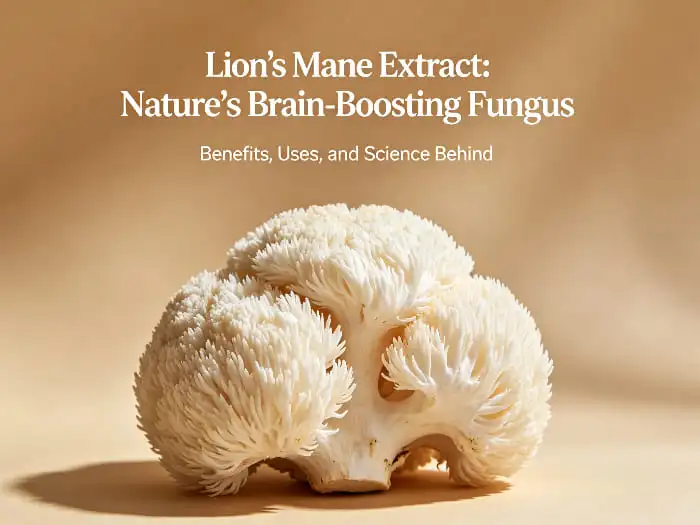
Lion's mane extract is a new natural ingredient that shows promise for supporting the brain, especially in helping people with ADHD who have problems with attention, impulse control, and making decisions. This useful mushroom ingredient comes from the fruiting bodies of the Hericium erinaceus plant. It has bioactive substances like polysaccharides, hericenones, and erinacines that may help with neurotrophic activity and neural plasticity. Researchers have found that these chemicals may help the production of nerve growth factors. This could help people with ADHD focus better, remember things better, and control their emotions in natural ways that work in addition to standard therapies.
Understanding ADHD and Its Cognitive Challenges
Attention Deficit Hyperactivity Disorder affects millions of people around the world and makes it very hard to focus, control impulses, and use brain function. The condition is caused by problems in the brain's dopamine pathways, prefrontal lobe activity, and the connections between neural networks. People with ADHD often have short attention spans, trouble organising their work, and trouble controlling their emotions, all of which can affect their academic, social, and personal lives.
The Neurological Basis of ADHD
Neurotransmitter imbalances, especially in the dopamine and norepinephrine systems, cause the disease. In brain circuits that link the prefrontal cortex, striatum, and limbic regions, these chemicals control how we pay attention, what motivates us, and how we process rewards. People have trouble with sustained attention, working memory, and behavioural inhibition when these circuits don't work as well as they should. Brain imaging studies show less activity in the frontal regions that are in charge of executive control. This explains why people with ADHD have trouble organising their thoughts, setting priorities, and following through on their chores in a structured way.
Current Treatment Limitations and Market Opportunities
Usually, stimulant drugs like methylphenidate and amphetamine derivatives are used to treat ADHD, along with behavioural strategies. Even though these methods work for many people, they do have some problems, like side effects like losing your appetite, having trouble sleeping, or heart problems. Also, some people don't respond well to boosters or would rather use alternatives that aren't drugs. Because of this lack of treatments, there is a greater need for additional methods that can help with brain problems. Procurement experts are aware of this change in the market and are looking for natural ingredients with proven neurocognitive benefits to make new products for the growing group of health-conscious consumers who want all-around help with ADHD.
What Is Lion's Mane Extract and How Does It Work?
Lion's mane mushroom is one of the most interesting functional ingredients in the field of brain health from a scientific point of view. This medicinal mushroom has been used for hundreds of years in traditional health practices. However, new methods for extracting it have now made it possible for commercial use in medicines. The lion's mane mushroom extract goes through two different extraction processes using hot water and ethanol to separate the polysaccharides that dissolve in water and the terpenoids that dissolve in alcohol. This protects all of the beneficial compounds.
Bioactive Compounds and Mechanisms
Two groups of compounds in mushrooms are important for their health benefits: hericenones, which are found in the growing bodies, and erinacines, which are found in the mycelium. These chemicals are very good at getting across the blood-brain barrier and increasing nerve growth factor synthesis. Nerve growth factor synthesis is a protein that is needed for neurones to live, stay healthy, and grow back. Studies in scientific journals show that these chemicals help make new neurones in the hippocampus, an area of the brain that is important for memories and controlling emotions. The polysaccharide fraction also has anti-inflammatory and antioxidant qualities that protect neural tissue from oxidative stress and chronic inflammation, both of which are linked to cognitive decline.
Scientific Evidence Supporting Cognitive Benefits
Synaptic plasticity is the brain's ability to make and rearrange neural connections, which is what makes learning and adaptation possible. Preclinical study shows that consistent supplementation improves this ability. Studies on animals show that giving them standardised extracts improves their ability to remember where things they've seen and recognise them. Though they are still new, early results from human clinical studies show that there may be benefits for people with mild cognitive impairment. For example, participants said they could focus better and think more clearly. The ingredient seems like a good choice for formulations that want to improve attention and brain function, especially if it is standardised to have a polysaccharide content above 30% and confirmed through HPLC analysis.
Lion's Mane Extract Benefits Specific to ADHD Symptoms
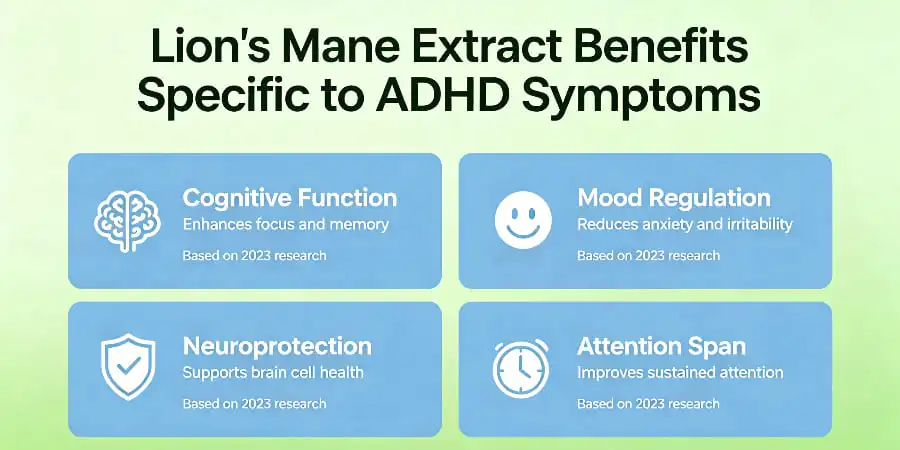
The brain processes that make this functional mushroom ingredient work so well with core ADHD deficits suggest that it could be used for targeted therapy in addition to general cognitive improvement. Formulation teams can make products with clear positioning and claims based on evidence when they know about these unique benefits.
Enhanced Focus and Attention Span
People with ADHD have trouble maintaining attention because their dopaminergic signals aren't working right and their frontal lobes aren't working enough. Because the extract can increase neurogenesis and synaptic density in prefrontal areas, it may make the brain pathways that help us stay focused stronger. The ingredient helps the production of nerve growth factor, which helps fix and improve attention networks. This may make people less easily distracted and better able to stay on task. This process is very different from stimulant drugs, which directly change the availability of neurotransmitters. It offers a complementary approach that targets structural neural deficits instead of short-term chemical imbalances.
Memory Retention and Cognitive Processing
Working memory problems are a common problem for people with ADHD. They make it hard to hold and change knowledge temporarily. The mushroom's effect on brain neurogenesis helps the process of forming memories. Polysaccharides and terpenoids work together to improve long-term potentiation, which is the biological process that makes memories. Better neural plasticity also speeds up the processing of information, which helps people with ADHD organise their thoughts better and react appropriately to demands in their environment. These cognitive improvements are especially helpful in school and the workplace, where you need to quickly combine knowledge and make decisions.
Mood Stabilization and Anxiety Reduction
ADHD often happens along with anxiety problems and trouble controlling emotions, which makes it harder to deal with symptoms. For example, studies show that the extract can help reduce anxiety by changing inflammatory factors and supporting serotonin pathways. The ingredient may help stabilise mood swings and lower anxious symptoms that often make it harder to pay attention by lowering neuroinflammation and oxidative stress. This multi-target effect helps with both cognitive and social aspects of ADHD at the same time, because the symptoms are linked.
Practical Application Formats for ADHD Support
Product designers can use this functional ingredient in a number of different delivery formats to meet the needs and tastes of a wide range of customers. Standardised powder lion's mane mushroom extracts with 30–50% polysaccharides work well in pill and tablet forms, with daily doses of 500 mg to 3000 mg depending on the concentration level. Spray-dried powders that dissolve in water can be used in functional drinks. This lets brands make "focus and energy" products by mixing the mushroom with ingredients that work well together, such as L-theanine or citicoline. For people who need to gradually increase their dose, liquid medicines are more flexible, while gummy forms are better for younger people and people who like tasty ways to take medicine. When formulating, bioavailability, stability, and organoleptic qualities must be carefully thought through for each format.
Lion's Mane Extract vs Other Supplements for ADHD: A Rational Choice
When purchasing cognitive support ingredients for ADHD-related product development, procurement workers need to compare the benefits in terms of safety, effectiveness, regulatory status, and market positioning. This ingredient from useful mushrooms has unique properties that set it apart from other nootropics on the market.
Comparison with Conventional and Natural Alternatives
Traditional stimulant drugs quickly ease symptoms by changing neurotransmitters directly, but they have a lot of side effects and aren't available over-the-counter because of rules. Caffeine and L-theanine, which are common nootropic ingredients, can help you focus right away without improving your brain health. Omega-3 fatty acids help the brain's structure in general, but they don't have any special neurotrophic mechanisms. The mushroom extract is one of a kind because it improves the structure of neurones by stimulating nerve growth factors and still having a great safety profile and clean-label appeal. With this mix, brands can market their goods as basic cognitive support that can be used every day for a long time instead of just for short-term symptom relief.
Product Forms and Quality Specifications
When making choices about bulk purchases, it's important to carefully look at extraction methods, source material, and standardisation protocols. Full-spectrum extracts that keep both the polysaccharide and terpenoid parts can have a wide range of biological effects, but they might be hard to formulate for use in liquids. Isolated polysaccharide fractions dissolve better in water for beverage forms, but they give up some of the benefits that come from working together. Because fruiting bodies have higher concentrations of target compounds, quality standards should require them to be sourced instead of mycelium-on-grain goods. Analytical certificates must show the amount of polysaccharides using approved methods, as well as tests for heavy metals, microbes, and pesticide residues that meet international food safety standards.
Organic certification is becoming more and more important to people when they are shopping because they connect it with higher quality and caring for the environment. Premium suppliers of USDA Organic or EU Organic certified materials are positioned, but non-certified ingredients from trustworthy manufacturers may give the same therapeutic value at more affordable prices. The most important thing to think about is how to balance certification fees with the preferences of the target market and tactics for competing in the market.
Bulk Procurement Considerations for B2B Success
Getting a steady supply of standardised extracts is hard because farming isn't always the same and crops grow at different times of the year. Teams in charge of buying things should give more weight to suppliers who can show they have strong quality management systems that are certified by GMP, have clear batch testing methods, and keep clear records of the chain of custody. Planning inventory and allocating working capital are affected by minimum order amounts, lead times, and storage needs. When kept properly in cool, dry places away from direct light, the ingredient is very stable and usually stays active for 24 months or longer.
The ability to provide technical help sets exceptional suppliers apart from commodity vendors. Having access to formulation guidelines, stability testing data, and regulatory documentation shortens the time it takes to make a product and lowers the risk of having to change the formulation. Suppliers who offer customised extraction specs, like optimising solubility for beverage-grade use or customising polysaccharide ratios, make it possible for unique product ideas that command premium market positioning. These extra services make partnership relationships more valuable than transactional buying relationships, especially when coming up with new formulas for specific therapeutic uses like ADHD support.
Safety, Side Effects, and Procurement Considerations
Safe ingredients are an important part of making sure that products are responsibly made because they have a direct effect on company reputation, following the rules, and consumer trust. This lion's mane extract has been used for a long time in traditional medicine, and new clinical data suggests that it is safe. However, procurement professionals need to understand the details in order to make smart sourcing choices.
Documented Safety Profile and Contraindications
Clinical studies and post-market surveillance show that standardised extracts have few negative effects when taken as a supplement at normal amounts. The most common reaction described was occasional mild stomach pain that usually went away after continued use or a dose adjustment. Unlike stimulant drugs, the ingredient does not speed up the heart rate, kerb hunger, or make it hard to sleep when taken in the suggested amounts. There have been no reports of any major drug interactions, but there are theoretical worries about possible additive effects with blood thinners because of the slight inhibition of platelet aggregation seen in preclinical studies. Conservative medical advice says to talk to a doctor before using it during pregnancy, breastfeeding, or while taking immunosuppressant drugs, but there have been no clear cases of this not being safe.
Recommended Dosage Ranges for Cognitive Applications
Dosing that works relies on the concentration of the extract and the standards for standardisation. In clinical study protocols, 500 to 3000 mg of extracts standardised to 25 to 40 percent polysaccharides are usually given every day in two or three divided doses with meals to help the body absorb the medicine better and reduce stomach irritation. Dosing at the higher end of this range is best for ADHD support products to make sure that enough bioactive chemicals get to the brain to have neurotrophic effects. Formulation methods should take into account how people follow their regimens. For example, once-daily formats need higher individual doses than twice or three times a day regimens, which may provide more stable compound availability during the day.
Quality Assurance and Supplier Vetting Protocols
To prove the identity and purity of an ingredient, the seller must be carefully evaluated beyond just reviewing the specifications. Teams in charge of buying things should ask for detailed analytical reports that include microscopic tests to prove that the source material is fruiting bodies and not mycelium-on-grain replacements. DNA barcoding is a sure way to tell the difference between species, which eases worries about mixing mushrooms that look the same but aren't as good for you. Quantifying polysaccharides using approved colorimetric or chromatographic methods guarantees stability from batch to batch, which is important for clinical effectiveness and backing up label claims.
Due to their natural ability to store environmental toxins, heavy metal pollution is a category-specific risk for mushrooms. Pharmacopeial standards for lead, cadmium, arsenic, and mercury must be carefully checked against. This keeps consumers safe and keeps regulatory problems from happening. Total plate counts, yeast and mould levels, and pathogen screening for E should all be part of microbial tests. Salmonella, E. coli, and Staphylococcus aureus. For non-organic materials, pesticide residue analysis becomes more important, and multi-residue screening panels that cover hundreds of agricultural chemicals offer full safety guarantee.
Third-party certification from well-known testing labs adds authority and makes it easier for procurement teams to do their checks. Suppliers who keep working with ISO-accredited testing sites show that they care about quality in ways that go beyond what their own quality control systems can do. Making information about growing methods, processing plants, and quality control systems public helps people make smart decisions about risks and lays the groundwork for long-term supply relationships.
Conclusion
The growing body of evidence supporting neurotrophic and cognitive benefits positions this functional mushroom ingredient as a compelling choice for brands developing ADHD-focused formulations. Its unique mechanism promoting nerve growth factor synthesis and neurogenesis addresses fundamental neural deficits underlying attention and executive function challenges, offering a complementary approach to conventional stimulant therapies. The favorable safety profile, clean-label appeal, and versatile application formats enable product differentiation across capsules, functional beverages, and combination formulations targeting the expanding cognitive health market. Procurement success requires careful attention to sourcing specifications, quality assurance protocols, and supplier capabilities that ensure consistent delivery of standardized, authenticated lion's mane extracts meeting rigorous safety and efficacy standards.
FAQ
Is lion's mane extract safe for long-term use in ADHD populations?
Clinical data and traditional use patterns indicate excellent safety for extended supplementation periods. Unlike stimulant medications requiring periodic monitoring for cardiovascular effects and growth parameters in pediatric populations, this natural ingredient exhibits minimal adverse effects during long-term use. Ongoing research continues evaluating extended supplementation outcomes, though current evidence supports sustained daily use as part of comprehensive ADHD management strategies. Consultation with healthcare providers remains appropriate when integrating any supplement into existing treatment regimens.
How long before cognitive benefits become noticeable?
Neurotrophic effects develop gradually as nerve growth factor synthesis accumulates and neurogenesis progresses. Clinical observations suggest initial improvements in focus and mental clarity may emerge within two to four weeks of consistent supplementation, though optimal benefits typically require eight to twelve weeks of daily use. This timeline reflects the fundamental mechanism involving structural neural changes rather than acute neurotransmitter modulation. Setting realistic expectations helps maintain compliance during the initial supplementation period before subjective benefits become apparent.
Can this ingredient be combined with ADHD medications or other supplements?
No direct contraindications exist with standard ADHD medications including stimulants and non-stimulant options like atomoxetine. The complementary mechanisms may provide additive benefits addressing different aspects of ADHD symptomatology. Common nootropic combinations include pairing the mushroom extract with L-theanine for enhanced focus with relaxation, citicoline for cholinergic support, or omega-3 fatty acids for comprehensive brain health. Formulation teams can develop synergistic blends leveraging multiple mechanisms to create differentiated products with broad-spectrum cognitive support profiles.
Partner With Wellgreen for Premium Lion's Mane Extract Supply
Wellgreen Technology stands as a trusted lion's mane extract supplier serving nutraceutical brands, pharmaceutical developers, and functional food manufacturers across global markets. Our GMP-certified manufacturing facilities produce standardized extracts from premium fruiting bodies, with polysaccharide concentrations ranging from 30% to 50% verified through validated HPLC analysis. We maintain substantial inventory enabling rapid fulfillment of bulk orders while supporting custom formulation development for clients seeking beverage-grade solubility optimization or specialized compound profiles. Complete analytical documentation including heavy metal screening, microbial testing, and allergen declarations accompanies every shipment, ensuring seamless regulatory compliance. Whether you require standard specifications or customized extraction parameters for innovative ADHD-focused formulations, our technical team provides responsive support throughout product development cycles. Contact our procurement specialists at wgt@allwellcn.com to discuss your lion's mane extract requirements and discover how our quality assurance protocols deliver the consistency and purity your brand deserves.
References
Mori K, Inatomi S, Ouchi K, Azumi Y, Tuchida T. Improving effects of the mushroom Yamabushitake (Hericium erinaceus) on mild cognitive impairment: a double-blind placebo-controlled clinical trial. Phytotherapy Research. 2009;23(3):367-372.
Friedman M. Chemistry, nutrition, and health-promoting properties of Hericium erinaceus (Lion's Mane) mushroom fruiting bodies and mycelia and their bioactive compounds. Journal of Agricultural and Food Chemistry. 2015;63(32):7108-7123.
Kawagishi H, Zhuang C. Compounds for dementia from Hericium erinaceum. Drugs of the Future. 2008;33(2):149-155.
Li IC, Lee LY, Tzeng TT, Chen WP, Chen YP, Shiao YJ, Chen CC. Neurohealth properties of Hericium erinaceus mycelia enriched with erinacines. Behavioural Neurology. 2018;2018:5802634.
Spelman K, Sutherland E, Bagade A. Neurological activity of Lion's Mane (Hericium erinaceus). Journal of Restorative Medicine. 2017;6(1):19-26.
Vigna L, Morelli F, Agnelli GM, Napolitano F, Ratto D, Occhinegro A, Di Iorio C, Savino E, Girometta C, Brandalise F, Rossi P. Hericium erinaceus improves mood and sleep disorders in patients affected by overweight or obesity. Journal of Translational Medicine. 2019;17(1):1-8.