How is Fritillaria Bulb Extract Used in Traditional Medicine?
2026-04-24 14:56:16
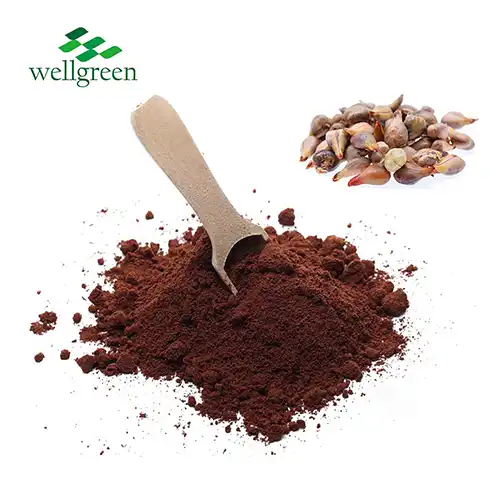
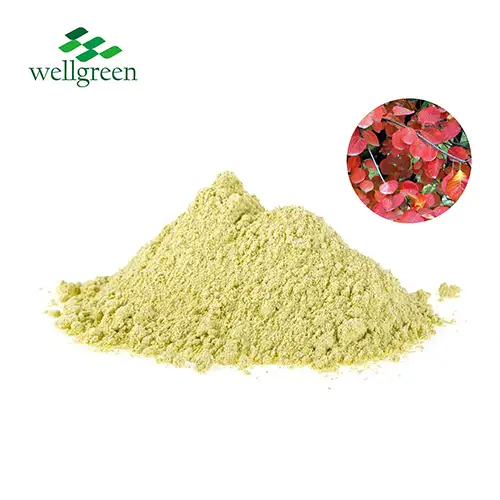
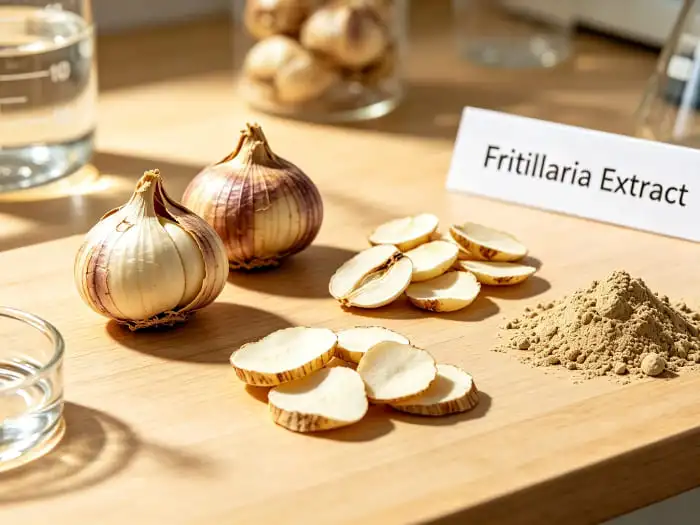
In Traditional Chinese Medicine, fritillaria extract has been used for hundreds of years. It is made from the dried flowers of Fritillaria cirrhosa, which is in the Liliaceae family. This pale yellow to brown powder has powerful alkaloids in it, such as peimine, peiminine, and verticine, as well as saponins that help with coughing, congestion, and inflammation. In the past, doctors used this plant-based ingredient to get rid of lung heat, keep respiratory tissues wet, and break up thick phlegm. This made it an important part of medicines for cough, bronchitis, and other long-term lung conditions. Modern study backs up these old uses by showing measurable therapeutic benefits that are appealing to both nutraceutical brands and drug developers.
Understanding Fritillaria Bulb Extract in Traditional Medicine
Botanical Origins and Chemical Composition
Fritillaria cirrhosa does best in high-altitude areas in southwestern China. This is because the bioactive alkaloids in its bulbs are more concentrated there because of environmental stresses. Peimine, peiminine, verticine, and imperialine are the main active ingredients. They are all isosteroidal alkaloid chemicals, and they all have different effects on the body. These alkaloids work better with saponins and nucleosides, making a synergistic structure that makes the medicine work better. In traditional processing methods, these delicate compounds are carefully dried and ground to keep them safe. However, modern extraction methods allow for standardized alkaloid concentrations ranging from 0.5% to 3.0% total alkaloids, based on what the client wants.
Traditional Medicinal Applications in TCM
Fritillaria is used in Traditional Chinese Medicine to treat "lung heat with phlegm stagnation," which is a condition that causes a chronic dry cough, chest tightness, and trouble coughing up thick mucus. In traditional formulas like Chuan Bei Pi Pa Lu (Fritillaria-Loquat Syrup), practitioners mix the extract with herbs that work well together, such as Ophiopogon japonicus and pear. Because the herb cools and moisturizes, it works especially well for treating "yin deficiency with heat" conditions. This makes it different from warming expectorants that are used to treat cold-pattern respiratory diseases.
Fritillaria has been used to treat coughs caused by tuberculosis since the Tang Dynasty, as shown by hundreds of years of scientific evidence. This long history of traditional use gives legal benefits in markets where botanical ingredients benefit from grandfathered status or exemptions for traditional use.
Key Therapeutic Benefits Documented Across Traditional Systems
Traditional Chinese medicine used fritillaria for more than just breathing problems. It was also used to treat lymphatic swelling, breast abscesses, and even some pain conditions caused by qi stagnation. People knew that the extract could reduce inflammation long before modern medicine proved it. It could change the expression of cytokines and stop inflammatory pathways. Modern formulators use the ingredient in a wide range of products, from throat lozenges to anti-inflammatory creams for the skin, because it has such a broad medicinal range.
How to Use Fritillaria Bulb Extract Effectively and Safely?
Available Forms and Formulation Considerations
Fritillaria can now be made in a number of different forms that are better for different types of products. Spray-dried powders with particles ranging from 80 to 120 mesh work well in capsules and tablets, while liquid extracts can be used in a variety of ways, such as in drinks and medicines. Functional food developers who want clean-label ingredients for ready-to-drink wellness goods can get water-soluble powder variants by using special extraction and microencapsulation methods.
Product developers usually ask for extracts that are standardized to 1.0 to 2.0% total alkaloids as tested by HPLC when they make respiratory health supplements. This standardization makes sure that there is consistency from batch to batch, which is important for clinical effectiveness and legal compliance. Putting alkaloids in enteric-coated vegetable pills protects their stability while improving their bioavailability. This is especially important for pharmaceutical-grade uses.
Evidence-Based Dosage Guidelines
According to both clinical studies and standard practice, the recommended daily dose of standardized fritillary bulb extract is between 300 mg and 900 mg, usually spread out over two to three doses. The lower part of this range has effects that can be measured as an antitussive, while higher doses may be needed for anti-inflammatory purposes over 7–14 day protocols. Lower concentrations, usually 0.1% to 0.3% of the total feed weight, are used in veterinary uses to improve the respiratory health of poultry.
When making over-the-counter (OTC) medicines, procurement professionals should keep in mind that dose suggestions change based on alkaloid standardization levels. A 10:1 concentrated extract with 2% alkaloids has a different level of potency than a 5:1 concentrated extract with 1% alkaloids. This is why it's important to be very specific when negotiating with suppliers and making quality deals.
Safety Profile and Contraindications
In China, fritillaria is usually recognized as safe (GRAS) for use in food. This is shown by traditional dishes like fritillaria-pear soup that are eaten when seasonal breathing problems happen. On the other hand, giving high doses of single alkaloids intravenously can slow down the heart and lungs in animal models, with peimine having a toxicity threshold of about 10 mg/kg. Due to matrix effects and slow absorption kinetics, taking whole extract powder by mouth has much higher safety margins.
Managers in charge of quality control should make sure that providers follow strict testing procedures for heavy metals like lead and cadmium, which can build up in bulbs that were grown in mineral-rich soils. Microbiological tests for total plate count, yeast, mold, and pathogenic organisms is still needed for supplements meant for kids or people with weak immune systems.
Comparing Fritillaria Extract with Other Herbal Extracts in the Market
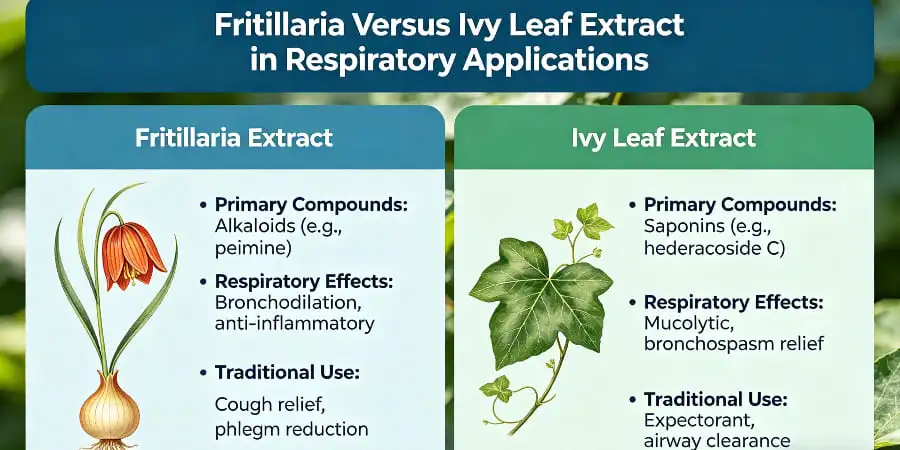
Fritillaria Versus Ivy Leaf Extract in Respiratory Applications
Ivy leaf extract (Hedera helix) is the most popular lung supplement in Europe, but fritillaria has unique benefits for formulators who want to appeal to people who are interested in traditional medicine. When you take ivy leaf, the saponin content opens up your airways mostly by stimulating beta-2 receptors. On the other hand, fritillaria's alkaloid profile stops coughing directly and breaks down mucus. This two-part process helps with a wider range of cough symptoms and causes.
There are also big differences in the stability patterns. Ivy leaf saponins are sensitive to changes in pH and oxidation, so they need special buffers for packing and formulation. Fritillaria alkaloids are more resistant to heat than most other chemicals. They can survive the heat that comes from compressing tablets and can last longer in normal storage conditions. This is an important factor for bulk buyers who have to manage inventory across long supply chains.
Distinguishing Fritillaria Cirrhosa from Fritillaria Thunbergii
Procurement teams need to know the important differences between F. cirrhosa (Chuan Bei Mu) and F. thunbergii (Zhe Bei Mu), even though they look a lot alike. This is because these species are used for different therapeutic reasons. F. cirrhosa is highly valued because it has gentle, moisturizing qualities that make it perfect for people with a chronic dry cough and yin deficiency patterns. The imperialine levels in F. thunbergii are higher, and it has stronger heat-clearing and detoxification benefits. This makes it better for treating acute inflammatory conditions and lymphatic stagnation.
Chemical fingerprinting shows that F. cirrhosa has high levels of peimisine (17.92–123.53 μg/g in verified samples), while F. thunbergii has high levels of imperialine (78.05–344.09 μg/g). Because of these changes in composition, F. cirrhosa has different clinical uses and costs more. In raw material markets, it usually commands a 40–60% premium. When suppliers offer unusually low prices on what they say is F. cirrhosa fritillary bulb extract, they should be looked at more closely using LC-MS/MS identification to make sure they are not accidentally selling the wrong species.
Trusted Procurement: How to Source High-Quality Fritillaria Bulb Extract?
Essential Certifications and Quality Markers
Good Manufacturing Practice (GMP) certification for botanical extract production and ISO 9001 quality management systems are kept up to date by reliable providers. For companies that want to sell to pharmaceutical companies, ISO 22000 food safety management and HACCP standards show that they can keep production lines clean all the time. Organic approvals from the USDA, EU, or similar organizations make clean-label products more valuable, but they are still hard to find because high-altitude F. cirrhosa has special growing needs.
Each batch should come with proof that it has been tested by a third party. This proof should include certificates of analysis that show the total amount of alkaloids that were found using HPLC, heavy metal screening for lead, arsenic, cadmium, and mercury, pesticide residue testing for at least 200 common agricultural chemicals, and microbiological analysis. Suppliers who use approved analytical methods that can be traced back to pharmacopeial standards (USP and Chinese Pharmacopeia) give regulatory applications more confidence.
Evaluating Supplier Capabilities and Traceability
The most reliable supply partnerships have producers keep direct ties with growing areas. This lets them control quality at the field level and use sustainable harvesting methods. Vertical integration from buying the bulbs to extracting them and making sure they are all the same lowers the risk of adulteration and creates the records that are needed for FDA dietary supplement submissions and European Novel Food applications.
When evaluating suppliers, ask for specific process flow diagrams that show how the alkaloids are extracted (water extraction vs. alcohol extraction gives you different profiles), how they are concentrated, and how they are chosen for spray drying. Manufacturers who use countercurrent extraction methods and low-temperature concentration are better at keeping thermolabile compounds than those who use high-heat processing. This means that more bioactivity is retained, which can be seen in in vitro tests.
Navigating Regulatory Compliance for Different Markets
To get into the US market, you have to follow the FDA's rules on dietary supplements under DSHEA. These rules include registering your facility correctly, making sure you follow the current Good Manufacturing Practices (cGMPs) for dietary supplements (21 CFR Part 111), and making sure your structure-function claims are true. Fritillaria has been used for a long time in traditional medicine, which supports its use in food supplements. However, finished product labels must not make disease treatment claims without getting approval from the New Drug Application.
The rules that govern European markets are more complicated. Even though F. cirrhosa is listed in books of traditional plant medicine, Novel Food Regulation (EU) 2015/2283 may apply to standardized extracts that don't have a record of being used before 1997 in concentrated forms. Purchasing managers who want to sell their products in the EU should hire regulatory experts as soon as possible to find out what the notification requirements are and what kind of language can be used in health claims under Regulation (EC) 1924/2006.
Conclusion
Fritillaria extract is an interesting mix of old medical knowledge and modern quality standards. It gives procurement professionals a scientifically proven ingredient that can be used in a lot of different areas, such as nutraceuticals, pharmaceuticals, and functional foods. Because the extract has a known amount of alkaloids, has been shown to help with breathing, and is safe, it can be used as a key ingredient by brands that want to stand out through plant innovation. To be successful at sourcing, you need to pay attention to things like verifying species identification, checking certifications, and navigating regulations that are special to target markets. As Western markets continue to grow in interest in traditional medicine ingredients, early adoption of properly sourced fritillaria extract gives companies in the respiratory health area a competitive edge while also supporting long-term botanical supply chains.
FAQ
What are the main health benefits of fritillaria extract?
Fritillaria extract helps with coughing by reducing the sensitivity of the cough response, clearing the mucus by improving mucociliary clearance, and reducing inflammation by changing cytokines. In traditional medicine, it is used to treat lung heat, a dry cough with little mucus, and long-term inflammation of the bronchi. Modern research backs up these effects with true pharmacological studies showing measurable benefits for the respiratory system.
Is taking fritillaria extract as a vitamin for a long time safe?
Fritillaria is very safe to take as a standardized oral extract in the suggested dosage ranges (300–900 mg per day). This is backed up by hundreds of years of traditional use and more recent toxicology studies. The safety margins for oral use are much higher than those for single alkaloid injections. Women who are pregnant, nursing mothers, or taking prescription drugs should talk to their doctors before starting supplementation programs.
What can buyers do to make sure the quality of fritillaria extract?
For quality assurance, you need a lot of paperwork, like third-party reports of analysis proving the presence of alkaloids through HPLC, heavy metal testing results, pesticide residue screening, and microbiological analysis. Authenticating the species through botanical recognition or LC-MS/MS fingerprinting stops the use of cheaper Fritillaria species as a substitute. Supplier GMP certification and traceability documents add extra layers of quality assurance that are needed to meet regulatory requirements.
Partner with Wellgreen for Premium Fritillaria Extract Supply
Wellgreen Technology specializes in manufacturing standardized fritillaria bulb extract for nutraceutical brands, pharmaceutical developers, and functional food innovators requiring consistent quality and reliable supply. Our GMP-certified facility maintains comprehensive testing protocols and certification documentation supporting regulatory submissions across global markets. We offer customizable alkaloid standardization levels, flexible order quantities, and rapid technical support for formulation development.
As an established fritillaria extract manufacturer, we maintain direct relationships with cultivation regions, ensuring species authentication and sustainable sourcing practices. Our extensive inventory supports quick turnaround times, while our OEM capabilities accommodate private label requirements and custom concentration specifications. Contact our team at wgt@allwellcn.com to discuss your fritillaria extract requirements, request product specifications, or arrange a sample evaluation for your next respiratory health formulation.
References
State Pharmacopoeia Commission of P.R. China. (2020). Pharmacopoeia of the People's Republic of China, Volume I. China Medical Science Press.
Li, X., Wang, D., & Zhang, Y. (2019). Phytochemistry and pharmacological activities of Fritillaria species: A comprehensive review. Journal of Ethnopharmacology, 245, 112168.
Zhou, J., Qu, F., & Nantz, M.H. (2018). Isosteroidal alkaloids from the bulbs of Fritillaria cirrhosa: Novel therapeutic agents for respiratory diseases. Natural Product Research, 32(19), 2306-2314.
Wang, C.H., Liu, W.J., & Huang, L.Q. (2017). Comparative pharmacological effects of Fritillaria cirrhosa and Fritillaria thunbergii in traditional Chinese medicine applications. Chinese Herbal Medicines, 9(3), 263-270.
Zhang, M., Wang, G., & Lai, F. (2021). Quality assessment and species differentiation of Fritillaria bulbs using LC-MS/MS combined with chemometric analysis. Journal of Pharmaceutical and Biomedical Analysis, 195, 113864.
Chen, Q., Luo, S., & Zhang, Y. (2020). Antitussive, expectorant and anti-inflammatory effects of alkaloids from Fritillaria cirrhosa: Mechanisms and clinical applications. Phytomedicine, 78, 153308.