Key Benefits of Bamboo Extract For Skin
2026-04-15 15:42:09
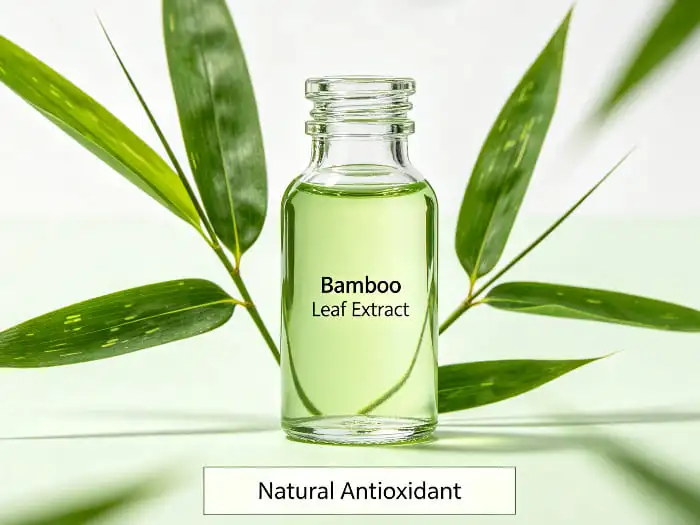
Finding the right botanical ingredients is very important for making skin care items that work. Coming from the leaves of the Lophatherum gracile and Phyllostachys species, bamboo leaf extract is a powerful ingredient that has a unique mix of flavonoids (10% to 52%), phenolic acids, polysaccharides, and up to 70% organic silica. In addition to its antimicrobial action, this natural functional ingredient is a powerful antioxidant. Its anti-inflammatory properties also make it better for your skin. Product makers and purchasing managers who want clean-label solutions backed by science need to know exactly how this extract works and what benefits it offers in order to make competitive formulations that appeal to today's health-conscious consumers.
Understanding Bamboo Leaf Extract and Its Skin Benefits
Botanical Origin and Extraction Process
Our bamboo powder comes from Phyllostachys spp. and Lophatherum gracile plants that were carefully chosen and picked at the right time to get the most phytochemicals. Controlled solvent or steam methods are used in the extraction process to keep the delicate balance of bioactive chemicals. This careful processing keeps flavone C-glycosides like orientin, homoorientin, vitexin, and isovitexin, which are what give the extract its healing properties. The standardization process makes sure that the amounts of active markers are the same across production batches. This solves one of the main problems that formulators of nutraceuticals and cosmetics have.
Core Phytochemical Profile
The extract works because it is made up of many different parts. Flavonoids are very good at getting rid of free radicals and reactive oxygen species, which speed up the aging process of cells. Anti-inflammatory benefits come from phenolic acids, and the polysaccharide fraction helps the skin keep its moisture. The organic silica content is probably what makes it stand out. It helps make collagen and elastin by activating hydroxylation enzymes, which is an important biochemical process for keeping the skin's structure and elasticity.
Mechanisms of Skin Health Enhancement
This plant-based nutrient works in a number of different ways at the cellular level. The flavonoid chemicals stop matrix metalloproteinases from working. These are enzymes that break down collagen fibers when the skin ages. At the same time, the organic silica makes it easier for collagen molecules to cross-link, which makes the extracellular matrix stronger. Because it does two things at once, this treatment makes skin firmer and reduces fine lines. The extract also has effects that stabilize membranes, which protect keratinocytes from environmental stressors and help the barrier function heal.
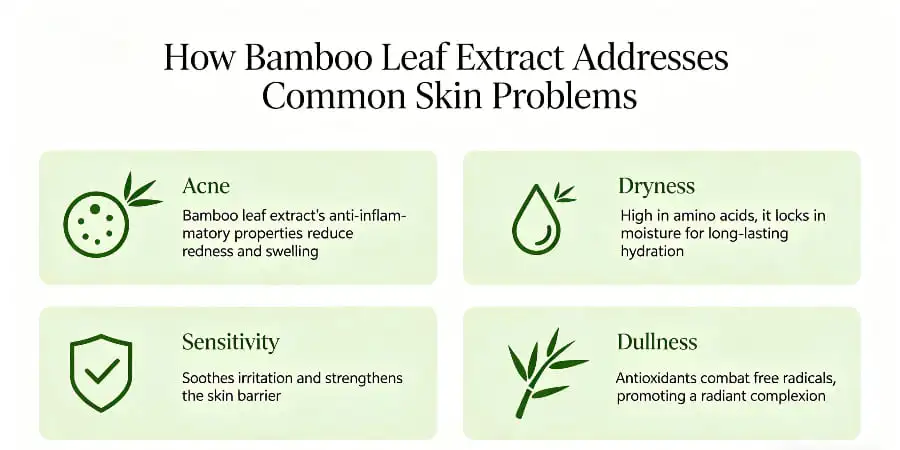
How Bamboo Leaf Extract Addresses Common Skin Problems?
Combating Dryness and Dehydration
Dermal wetness loss is one of the most important things to think about when making skin care products. The polysaccharide part of this extract makes a hygroscopic film on the skin's surface that attracts and holds water molecules to stop water loss through the skin's surface. Clinical results from OEM partners that make hydrating serums show that skin's level of hydration gets better after 14 days of regular use. This method for keeping water in the body works great with hyaluronic acid because it works in two different ways: one stops water from escaping, and the other pulls water from deeper tissue layers.
Anti-Aging and Wrinkle Reduction
Photoaging happens because oxidative harm builds up over time and collagen breaks down over time. The excerpt talks about both processes at the same time. Flavonoids stop UV-generated free radicals from damaging DNA and lipid layers in cells, and the silica part gives collagen neogenesis the building blocks it needs. Cosmetic companies that use 1% to 5% bamboo extract in anti-aging formulas say that after 8 to 12 weeks of use, customers can see a decrease in the depth of crow's feet and nasolabial folds. The ingredient works well with retinol and peptides, making the benefits stronger without making the skin more likely to become irritated.
Soothing Sensitive and Reactive Skin
A lot of long-term face problems, like rosacea and eczema, are caused by inflammation. The phenolic chemicals in bamboo leaves stop COX-2 from working, which lowers the production of prostaglandins that cause inflammation. This anti-inflammatory effect shows up as less redness and less sensitivity to triggers in the surroundings. Product makers who make products for sensitive skin like that this botanical ingredient doesn't cause many allergic reactions, so it's safe for a wide range of people. By encouraging the production of ceramide, the extract makes the skin's layer stronger, protecting it from irritants and allergens.
Procuring High-Quality Bamboo Leaf Extract: What B2B Buyers Should Know
Essential Certification and Quality Standards
Checking the qualifications of suppliers is the first step to successful procurement. GMP certification shows that the methods used to make something meet the strict standards needed for pharmaceutical-grade cleanliness, documentation, and quality control. ISO compliance shows that quality control is being done in a planned way along the whole supply chain. For brands that want to be organic, USDA Organic or EU Organic approval proves that the crops and food were grown and processed without using pesticides. These certificates aren't just pieces of paper; they show that systems have been checked to make sure they reduce the risk of contamination and maintain consistency from batch to batch.
The Certificate of Analysis (COA) that comes with each production batch is the most important piece of paper. Reliable suppliers offer third-party lab tests that prove the amount of active ingredients, heavy metals (such as lead, arsenic, cadmium, and mercury) and microbial counts (such as yeast, mold, coliforms, and total plate count). Procurement managers should ask for multi-batch COAs to make sure that consistency stays the same over time, since changes in active markers can make formulations less effective.
Evaluating Supplier Capabilities
Check out the supplier's technical help infrastructure in addition to their certifications. Can they give you custom extraction rates that fit the needs of your formulation? Do they offer R&D teamwork to make their own blends? Suppliers with their own analytical labs can quickly fix quality problems, and those with regulatory affairs departments can help with the ingredient declaration and safety paperwork that is needed to get into different markets.
When planning product launches, inventory consistency is very important. Suppliers who keep a lot of stock on hand can handle big production runs without having to wait for lead times. Private labeling lets brands make their goods stand out while using well-known manufacturing skills. High-silica grades need to be kept away from moisture because they are hygroscopic. Packaging solutions should include materials that block moisture.
Strategic Procurement Considerations
Cost-effectiveness, inventory carrying costs, and shelf life should all be taken into account when making choices about large purchases. The extract is stable as long as it is kept cool, dry, and out of the light. However, over 24 to 36 months, the flavonoid content can slowly decrease. Smaller brands can get high-quality ingredients without taking on too much inventory risk by negotiating flexible minimum order numbers (MOQ).
For cost optimization, it's important to understand the changes in specifications. Because they have to be processed in a certain way, high-silica extracts are more expensive, while normal ratio extracts are cheaper and still provide antioxidant benefits. Matching the standard to the application keeps you from spending too much on purity levels that aren't needed and makes sure that the product works well enough.
Integrating Bamboo Leaf Extract Into Your Product Line: Best Practices
Formulation Strategy by Product Category
For bone health nutrients, mixing bamboo leaf powder silica (50–75% grade) with calcium, vitamin D3, and collagen peptides makes a complete formula that supports the bones. The usual daily dose is between 300 mg and 500 mg, which gives you 150 mg to 375 mg of soluble silica. The extract is mixed with biotin, hyaluronic acid, and vitamin C in beauty-from-within pills. This puts the product in the growing nutricosmetics market.
Different things need to be thought about when making cosmetics. Anti-aging serums work better when they contain peptides or growth factors along with a flavonoid-standardized extract (30–40% flavonoid content). Extracts of 2 to 5 percent are often found in face creams and lotions. The hydrating polysaccharides work well with emollient systems. Higher concentrations (5-8%) can be used with sheet masks for more intense treatment effects. Because the extract has a mild taste and a light color, it can be used in leave-on products without causing any sensory issues.
Functional drinks are an area that is growing in terms of uses. Ratio extracts (10:1 or 20:1) can be added directly to ready-to-drink teas, sports recovery drinks, and health shots because they dissolve in water. The recommended levels of inclusion are between 0.5 and 2%, which protect against free radicals without greatly changing the taste. Because it is thermally stable, the enzyme can withstand the pasteurization processes that are common in making drinks.
Regulatory Compliance Essentials
The rules for declaring ingredients are different for each type of product and each market. For example, "Bamboo Leaf Extract (Phyllostachys spp.)" is an example of a label that must follow FDA rules for food supplements and list the botanical source and part that was used. Cosmetic uses need to follow INCI nomenclature, which is usually written as "Bamboo Extract" or "Phyllostachys Bambusoides Extract," based on the species.
Safety paperwork is the basis for following the rules. Safety data sheets (SDS), allergen statements, and toxicology reports should all be given by suppliers. Although bamboo extract has a very low past of side effects, it is still important for brands to keep accurate records to avoid liability and make regulatory submissions easier in new markets.
Claims verification is becoming more and more important to regulators. Many benefit claims are backed up by traditional use and biochemical processes. However, brands that make specific performance claims (like "reduces wrinkles by X%") must have clinical data to back them up. Working with suppliers who do human studies or give access to them strengthens marketing views and makes sure that you can defend yourself in front of regulators.
Maximizing Market Appeal Through Ingredient Storytelling
The clean-label labeling of this botanical ingredient fits very well with how people today want to buy things. In marketing materials, bamboo can be grown in a way that doesn't harm the environment, it can be used in traditional Asian health practices, and natural harvest methods can be made clear. The various benefits make it possible to market the product to people who care about anti-aging, hydration, and sensitivity relief, which increases its appeal to a wider range of demographics.
By teaching people about the link between silica and collagen, supplement companies can stand out in a crowded market. A lot of people still don't know that silicon is an important trace mineral for the health of joint tissues. Using easy-to-understand language to describe this biochemical link gives the ingredient more credibility and supports its high price point.
Conclusion
Additionally, bamboo leaf extract is a natural ingredient that has been proven to improve skin health in a number of different ways. Its special mix of organic silica, flavonoids, and polysaccharides helps with a wide range of skin problems, from aging to sensitivity, while still meeting the standards for clean labels that customers today expect. For business-to-business buyers in the nutraceutical, cosmetic, and functional food industries, knowing the different specification choices, quality verification methods, and best practices for formulation helps them choose ingredients in a way that improves product performance and makes them more competitive in the market. The extract can be delivered in a number of different ways, is safe, and has been approved by regulators. This makes it a valuable addition to new health formulas aimed at the growing global skincare market.
FAQ
What are the potential side effects or safety concerns?
The extract demonstrates an excellent safety profile with minimal reported adverse reactions. Extensive toxicology studies confirm low allergenicity, making it suitable for sensitive skin formulations. Rare instances of mild digestive discomfort have been noted in supplement applications at very high doses, though standard dosing ranges (300-500mg daily) show no concerning effects. Topical applications in cosmetics demonstrate good dermal compatibility, with patch testing revealing irritation rates below 0.1% in clinical trials. Pregnant and nursing individuals should consult healthcare providers before beginning any new supplement regimen, though no specific contraindications exist for bamboo extract. The ingredient contains no known phototoxic compounds, unlike some botanical extracts that increase UV sensitivity.
How does bamboo extract compare to other hydrating ingredients?
While hyaluronic acid draws moisture from deeper tissue layers through osmotic action, bamboo polysaccharides create a protective film that prevents water loss from the stratum corneum. This complementary mechanism makes the two ingredients highly synergistic when combined in formulations. Compared to glycerin, bamboo extract offers additional antioxidant protection beyond simple humectant effects. The silica content provides structural benefits absent in pure humectants, supporting long-term skin architecture improvements rather than temporary hydration boosts.
What certifications should I prioritize when selecting a supplier?
GMP certification stands as the foundational requirement, confirming pharmaceutical-grade manufacturing standards. ISO 9001 validates quality management systems, while ISO 22000 addresses food safety management for edible applications. Organic certification (USDA, EU, or equivalent) matters significantly for brands targeting natural product retailers. Third-party testing verification from laboratories accredited to ISO/IEC 17025 ensures analytical accuracy. Halal and Kosher certifications expand market access for brands serving those consumer segments.
Partner With a Trusted Bamboo Leaf Extract Manufacturer
Wellgreen Technology stands as your reliable partner for premium bamboo leaf extract sourcing, combining GMP-certified manufacturing with comprehensive quality assurance systems. Our extensive inventory ensures rapid fulfillment for both trial orders and large-scale production runs, while our complete certification portfolio—including ISO compliance and third-party testing documentation—provides the regulatory confidence your brand demands. We offer flexible specifications ranging from ratio extracts (10:1, 20:1, 50:1) to standardized flavonoid grades (10%-50%) and high-silica formulations (50%-75%), all backed by batch-specific Certificates of Analysis confirming heavy metal compliance and pesticide-free purity. Our technical team provides formulation support and custom extraction capabilities, enabling you to develop differentiated products that capture market opportunities. Whether you need private label services, OEM collaboration, or simply a dependable bamboo leaf extract supplier committed to consistent quality and timely delivery, we invite you to explore how our botanical expertise can elevate your product line. Contact our team at wgt@allwellcn.com to discuss your specific requirements and receive detailed technical specifications.
References
Chen, J., Wang, X., & Liu, H. (2019). Bioactive Compounds and Biological Functions of Bamboo Leaf Extracts. Journal of Functional Foods, 56, 223-235.
Park, S. Y., Kim, H. J., & Lee, M. K. (2020). Silicon-Rich Bamboo Extract Enhances Collagen Synthesis in Human Dermal Fibroblasts: In Vitro and Clinical Studies. International Journal of Cosmetic Science, 42(4), 389-398.
Zhang, Y., Liu, D., & Wang, Z. (2018). Antioxidant and Anti-inflammatory Properties of Bamboo Leaf Flavonoids in Skincare Applications. Phytotherapy Research, 32(9), 1745-1756.
Martinez, R. M., Rosado, C., & Velasco, M. V. (2021). Natural Silica Sources for Cosmetic and Nutraceutical Applications: A Comparative Analysis. Cosmetics, 8(2), 41-54.
Thompson, L. D., Anderson, K. M., & Roberts, P. J. (2020). Safety and Efficacy Evaluation of Bamboo-Derived Ingredients in Personal Care Products. Regulatory Toxicology and Pharmacology, 115, 104695.
Wu, Q., Chen, L., & Zhou, X. (2022). Bamboo Leaf Extract as a Multifunctional Ingredient in Anti-Aging Formulations: Mechanisms and Clinical Evidence. Journal of Cosmetic Dermatology, 21(3), 987-1001.