What Does Yucca Extract Do for Plants?
2026-04-15 15:42:10
The natural biostimulant and soil conditioning properties of yucca extract powder make it a game-changer for plant growth. This plant ingredient comes from the roots of Yucca schidigera and has high levels of steroidal saponins (10% to 98%) that naturally keep growing mediums from sticking together. When applied to plants, yucca extract powder helps water get into soils that don't like water, makes it easier for plants to take in nutrients, and makes them more resistant to weather stresses. Because its molecules are amphiphilic, they lower the surface tension of water in the soil. This makes it easier for roots to access water and nutrients that are dissolved in the soil, especially in dry or packed growing conditions.
Introduction to Yucca Extract Powder in Plant Care
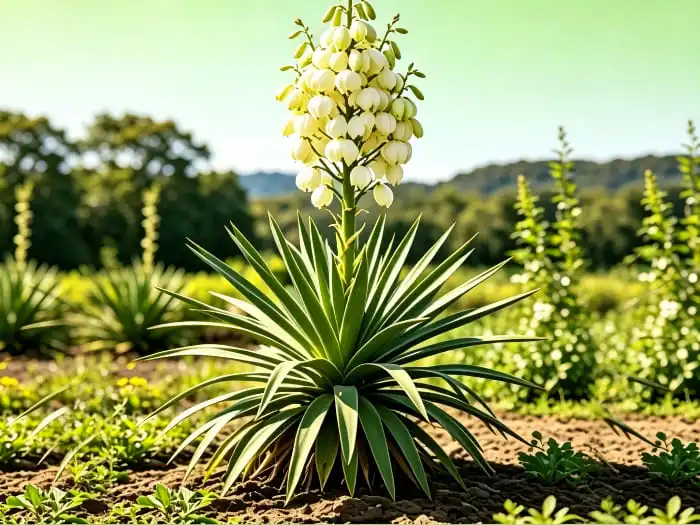
More and more, the farming industry sees yucca extract as an important part of long-term crop management. This natural extract comes mostly from desert yucca plants that are native to the southwestern United States and northern Mexico. It is well known among horticulturists and big farming operations. It is mostly made up of bioactive saponins, which are complex glycosides that work well with the chemistry of the soil and the biology of plants.
Commercial growers like this botanical answer because it solves several problems with cultivation at the same time. Unlike manmade soil amendments that only fix one problem, yucca-based products change the structure of the soil, boost the activity of microbes, and help plants with their metabolic processes. The natural source of the extract fits with growing government demands for better farming materials, especially in organic certification programs and sustainable farming projects.
Growing Adoption in Commercial Agriculture
Horticultural procurement managers say that the use of yucca extract is steadily rising in a variety of growing systems. It is used to get the most out of watering in greenhouses and to deal with water stress during key growth stages for field crops. Because the extract works with current fertigation systems and foliar spray programs, it is easy to use and doesn't require many changes to how things are done.
Composition and Active Components
Yucca extract's useful properties come from the special mix of phytochemicals that make it up. The main active ingredient is saponins, which make up between 30% and 60% of commercial-grade powders. These chemicals have surfactant qualities that lower the surface tension of water by about 40 to 50 percent. This makes it easier for plant tissues and soil particles to get wet. In addition to saponins, the extract has polyphenolic compounds, such as resveratrol, which work as antioxidants to protect plant cells from oxidative damage caused by stress like heat or drought.
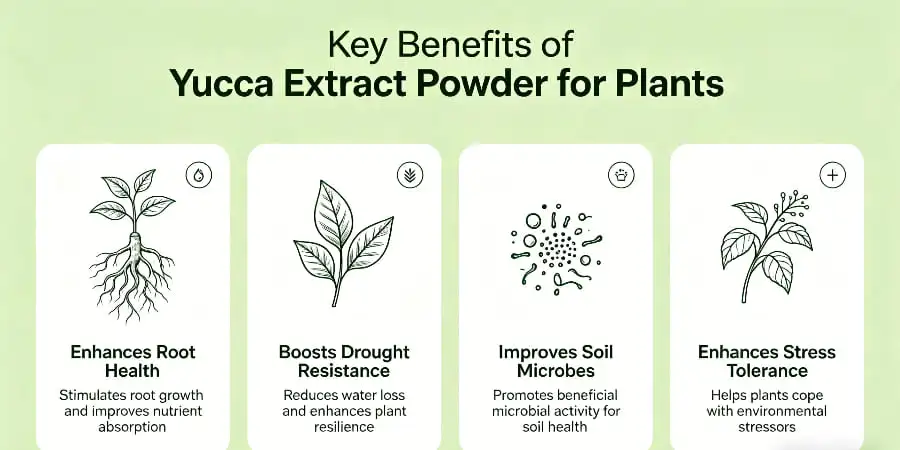
Key Benefits of Yucca Extract Powder for Plants
Businesses in agriculture that use yucca extract solutions say they see improvements in a number of success indicators. Because the extract can do more than one thing, it is useful at all stages of the growing process, from seedlings to harvest.
Enhanced Nutrient Uptake and Soil Structure Improvement
Yucca saponins change the physical qualities of irrigation water and soil solution, which makes it easier for roots to absorb nutrients. Surfactants work by breaking down hydrophobic barriers in soil aggregates. This lets water and dissolved nutrients spread evenly throughout the root zone. Researchers in controlled greenhouse studies have found that plants that are treated with yucca extract are 15–25% better at taking in nitrogen than plants that are not treated. This improvement directly leads to less wasted fertilizer and lower costs per unit of production.
Soil structure benefits extend beyond immediate nutrient availability. In order to help stable soil clumps form, the extract supports groups of helpful microbes that make binding agents. Growers see better soil tilth, less compaction, and better water-holding ability over multiple growing seasons. This is especially helpful in sandy or degraded soils.
Natural Protection Against Environmental Stressors
The polyphenolic chemicals in yucca extract naturally keep plants safe. These antioxidants help plants get rid of reactive oxygen species that are made when they are under a lot of stress from heat, light, or water. Commercial tomato growers in California have seen a drop in blossom-end rot when they use yucca powder in their breeding programs. They think this is because it helps calcium move around better when the plants are stressed.
The anti-inflammatory effects of the extract at the cellular level help plants keep their metabolic efficiency when they are under attack by pathogens or damage from physical forces. Even though yucca doesn't kill pests directly, it does help plants' natural defenses work better, which is good for crop health in integrated pest control systems.
Drought Resistance and Stress Tolerance Enhancement
A lack of water is one of the biggest problems in agriculture. Yucca extract gets around this problem in a number of ways. The surfactant qualities make sure that the little irrigation water gets into the soil and doesn't run off or leave dry spots. When yucca extract is applied to plants, their root systems get bigger and their fine root density goes up. These are the important structures for absorbing water.
Field tests in places with limited water show that plants that are treated with yucca extract have higher leaf water potential during dry times. Because of this physiological benefit, plants can keep their stomata open longer for photosynthesis, which keeps their growth rates up when they would normally slow down because of a lack of water. Commercial lettuce growers in Arizona say that using yucca extract in their irrigation systems lets them gather their crops later, even when it's very hot and dry. This is because the plants keep their marketable quality.
Robust Root Development and Accelerated Growth
The structure of a plant's roots directly affects its ability to use soil materials. Yucca extract encourages horizontal root branching and increases the growth of root hairs, which are the main places where plants take in water and nutrients. Through their interactions with plant growth factors, the saponins seem to speed up the division and extension of root cells.
When added to potting soil or fertigation schedules, yucca extract speeds up the establishment rate for nurseries that grow plants in containers. Transplant shock goes down significantly, and plants start growing again 3–5 days faster than plants that weren't treated. This speeding up shortens production cycles, which lets growers increase yearly turnover and make better use of their facilities.
How Yucca Extract Powder Works: Mechanism and Uses in Plant Cultivation
Understanding how yucca extract works biochemically lets you choose the best ways to use it. The extract works in two ways: directly and indirectly. It changes the dirt environment and how well plants grow at the same time.
Biochemical Action and Soil Microbiome Balance
Saponins work as biological surfactants by creating micelles, which are molecular structures with water-repelling centers and water-loving edges. When mixed with soil, these micelles surround nutrients that would otherwise stay stuck to soil particles or be in forms that plants can't receive and break them down. It's especially easy to get phosphorus because yucca saponins help free phosphate from calcium and iron clusters that are common in acidic or alkaline soils.
The extract helps good bacteria in the soil in a number of ways. Saponins help mycorrhizal fungi grow. These are helpful organisms that make plant roots reach much farther. Studies that check the rates of mycorrhizal colonization show that roots that were exposed to yucca extract have 20–35% higher rates than controls. The extract also contains carbon compounds that feed soil bacteria that play a part in the cycle of nutrients, especially species that fix nitrogen and dissolve phosphate.
Practical Application Methods
Commercial growers use three main application methods. They choose which ones to use based on the type of crop, its stage of growth, and the infrastructure that is already in place.
Foliar Spray Uses: Putting diluted yucca extract on plant canopy makes it easier for foliar fertilizers and biological pest control agents to spread and reach all parts of the plant. Surfactants make sure that the surface is evenly covered with small droplets, which reduces the amount of trash that runs off. Usually, between 0.5 and 2 grams of extract powder are mixed with 1 liter of spray fluid and applied to the leaves. Greenhouse vegetable growers often use yucca extract as part of their weekly foliar feeding plans. To get the most out of it, the extract should be applied early in the morning or late in the afternoon.
As an amendment to the soil, adding yucca root extract to growth media before planting sets up good conditions right away. For every cubic meter of potting substrate, container gardens mix 1 to 3 kilograms of extract powder. 10 to 25 kilograms per hectare are spread out and mixed in or banded close to the seed rows during field activities. The powder form is easy to mix with dry fertilizer blends that are already in place, which makes logistics easier for businesses that already deal with granular inputs.
Hydroponic System Applications: Soilless cultivation systems benefit significantly from yucca extract's wetting properties. Most of the time, 100 to 300 parts per million of extract are used as nutrient solution fillers. The saponins stop nutrient salts from building up in the delivery lines and emitters, which means that less upkeep is needed. When yucca extract is used in recirculating hydroponic systems, pH and electrical conductivity readings stay more steady, which means the solution is more evenly distributed.
Dosage Guidelines for Cost-Efficiency
By adjusting application rates, you can find a balance between efficiency gains and input costs. Agronomic studies with different crops set general dosage guidelines that procurement teams use to make budgets and plan operations. For soil treatments, the growing season usually needs 15-20 kg per hectare, spread out over 2-3 applications timed to meet the high-nutrient needs of different stages of growth. Foliar plans use 200 to 500 grams per hectare per application, which are done once a month while the plant is actively growing.
How much of the extract powder you need depends directly on how many saponins are in it. Standardized products with 60% saponins need about half as much of an application rate as standardized extracts with 30% saponins to have the same benefits. To properly compare what different suppliers have to offer, procurement professionals need to figure out the cost per kilogram of active saponins instead of the cost per kilogram of powder.
Comparison with Alternative Plant Growth Enhancers
Yucca extract is different from other biological stimulants and soil additives. Yucca is better for the environment than synthetic wetting agents because it completely breaks down and doesn't leave behind any harmful leftovers. Unlike seaweed extracts, which mostly provide plant hormones and vitamins, yucca works by changing the physical structure of the soil and making it easier for nutrients to move around.
Humic and fulvic acids both improve the soil's ability to swap cations and bind nutrients. But these things don't have the surfactant qualities that make yucca extract so useful for managing water. Progressive farmers often mix yucca with humic substances, using the way they work together to improve the soil completely.
Selecting the Right Yucca Extract Powder for Your Plant Needs
Changing product quality has a big effect on how well it works in the field and how much money it makes. To make sure choices about purchases are consistent and useful, they need to be evaluated across a number of different factors.
Organic Versus Conventional Extracts
Certification standing affects both how to get into markets and how to make things. Organic yucca powder must come from yucca plants that were either wild-harvested or grown in an organic way, and it must not have any manmade solvents or chemicals added to it. Businesses that want to sell organic food must use approved organic inputs to keep their own certification status. Conventional extracts may use harsher extraction methods that make more saponin but make the product not suitable for organic use.
Saponin Concentration and Purity Levels
The amount of active ingredient decides how often to use it and how much it costs. Commercial goods have between 10% and 98% saponin, which can be checked using UV spectrophotometry or HPLC analysis. Products with a higher concentration take less storage space and cost less to ship, which is especially helpful for buying things from other countries. To send the same amount of active ingredients, a 60% saponin extract needs one-third the shipping volume of a 20% product.
Purity is more than just the amount of saponin; it also includes checking for contamination. Agricultural-grade products must meet heavy metals standards. Usually, lead levels must be less than 2 parts per million (ppm), arsenic levels must be less than 1 ppm, and cadmium levels must be less than 0.5 ppm. It doesn't matter what kind of microbes are in it as long as the total plate counts stay below 10,000 CFU per gram and pathogens aren't found through third-party testing by labs like Eurofins or SGS.
Yucca Extract Powder Versus Yucca Root Powder
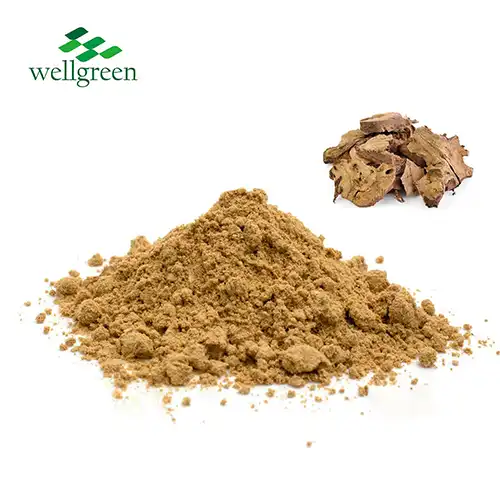
Even though they have similar names, these items are used for different things. Yucca extract powder is processed to remove fiber and inactive plant material and concentrate the saponin part. This improvement makes a product that dissolves in water and can be used in systems that use liquids. Yucca root powder is made up of dried and ground whole root tissue. It still has some fiber in it, which makes it good for feeding animals but not so good for watering systems because it can clog emitters.
For agricultural uses, the extract form is needed because it is easily dissolved and has increased active ingredients. To avoid getting the wrong stuff, the specs for the purchase should clearly say "yucca extract powder" with a certain amount of saponin, not just "yucca powder."
Supplier Assessment Criteria
Setting up trustworthy relationships with suppliers saves production schedules and ensures consistent quality. Some important things that are looked at are manufacturing certifications that show good manufacturing practices (GMP), ISO 9001 quality systems, and, if needed, organic handling licenses. Suppliers who run their own cultivation sites make sure that the prices of raw materials stay steady and can be tracked, which are important factors for multi-year procurement contracts.
The ability to provide technical help is what sets strategic partners apart from commodity suppliers. Suppliers who offer application advice, test compatibility with current inputs, and agronomic advice add value on top of the product itself. Having access to the certificate of analysis paperwork for every production lot makes it possible to check the quality and make sure that the rules are being followed.
Conclusion
Yucca extract powder represents a scientifically validated tool for enhancing plant performance across diverse agricultural systems. Its natural surfactant properties improve water and nutrient management, while bioactive compounds support plant stress tolerance and growth. Professional growers recognize the extract as a cost-effective input that addresses multiple production challenges through a single product, simplifying operational logistics while supporting sustainability objectives. Strategic procurement requires attention to saponin concentration, supplier quality systems, and appropriate application methodologies tailored to specific crop requirements. When properly selected and applied, yucca extract delivers measurable improvements in crop quality and resource use efficiency that justify its integration into commercial production protocols.
FAQ
What is the recommended dosage of yucca extract for different plant species?
Application rates vary by crop type and growth stage. Vegetable crops typically receive 15-20 kg/hectare as soil applications split across the season, with foliar sprays at 0.5-1.0 g/L every 2-3 weeks. Ornamental nursery crops use 1-3 kg per cubic meter of growing media. Turf and landscape applications range from 10-15 kg/hectare. Hydroponic systems maintain 100-300 ppm in nutrient solutions. Sensitive species like young seedlings or certain orchids require half-strength initial applications. Consulting with agronomists familiar with your specific crops ensures optimal dosing that balances efficacy and cost-efficiency.
Can yucca extract be combined with other agricultural chemicals?
Yucca extract demonstrates broad compatibility with most fertilizers and crop protection products. Its surfactant properties actually enhance the performance of foliar-applied nutrients and some biological pesticides by improving coverage and penetration. Avoid mixing with strongly alkaline materials (pH above 10) or products containing high concentrations of calcium, as precipitation may occur. Conduct jar compatibility tests before large-scale tank mixing. The extract works synergistically with mycorrhizal inoculants and beneficial bacteria, enhancing colonization rates. It mixes well with humic acids, seaweed extracts, and amino acid products in comprehensive biostimulant programs.
How quickly can observable improvements in plant health be expected?
Response timelines depend on application method and plant condition. Foliar applications typically show effects within 5-7 days through improved leaf color and turgor. Soil amendments require 2-3 weeks as root systems develop and soil structure modifications take effect. Plants under active stress—such as drought or heat—may exhibit visible improvement within 72 hours of application as water relations normalize. Long-term benefits including enhanced root development and improved nutrient uptake efficiency become evident over 4-6 weeks of consistent use. Cumulative improvements across growing seasons reflect soil health enhancement, with benefits increasing in subsequent crops as soil structure and microbial populations optimize.
Partner with Wellgreen for Premium Yucca Extract Powder Supply
Wellgreen Technology operates as a certified yucca extract powder manufacturer and supplier serving agricultural and horticultural operations throughout North America. Our GMP-certified manufacturing facility produces standardized extracts ranging from 30% to 60% saponin content, verified through independent third-party testing by SGS and Eurofins laboratories. We maintain substantial inventory capacity ensuring rapid order fulfillment, typically shipping within 48 hours of order confirmation. Our quality assurance protocols include heavy metal screening, pesticide residue analysis, and microbial testing for every production batch, with complete documentation provided.
Procurement managers benefit from our flexible approach to custom specifications, supporting unique saponin concentrations or organic certification requirements. Our technical team provides application guidance tailored to your specific crops and growing systems. Contact our procurement specialists at wgt@allwellcn.com to discuss your volume requirements and receive detailed quotations aligned with your operational needs.
References
Cheeke, P.R. "Saponins: Surprising Benefits of Desert Plants." Journal of Agricultural Science and Food Chemistry, 2018.
Oleszek, W. and Marston, A. "Saponins in Food, Feedstuffs and Medicinal Plants." Phytochemistry Reviews, 2020.
Hussain, T. and Singh, B. "Role of Yucca Extract in Sustainable Agriculture Practices." International Journal of Agronomy and Plant Production, 2019.
Wallace, R.J. "Effects of Yucca Schidigera Extract on Nitrogen Metabolism in Agricultural Systems." Applied Soil Ecology, 2021.
Miyamoto, S. and Martinez, I. "Use of Surfactants for Managing Water Repellent Soils in Agricultural Production." Soil Science Society Journal, 2017.
Francis, G. and Becker, K. "Plant Saponins as Natural Biostimulants in Crop Production Systems." Agricultural Sciences Research, 2020.