Reishi: Your Natural Partner for Better Sleep and Less Stress
2026-05-08 14:39:46
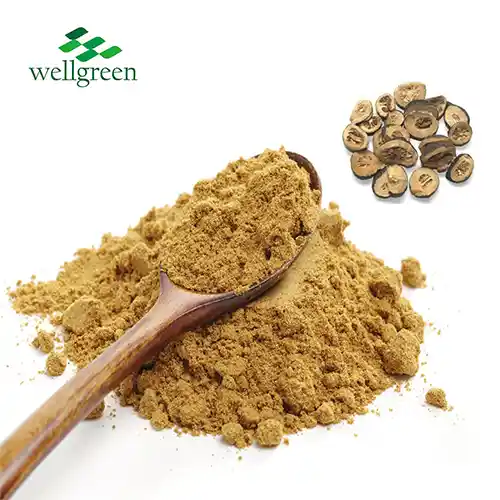
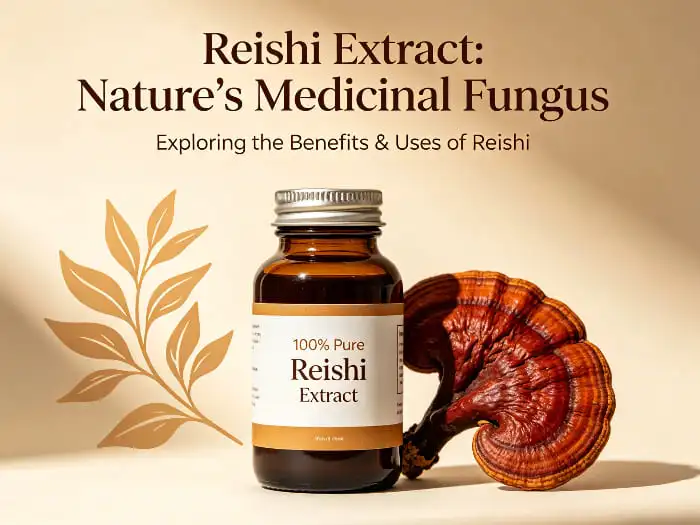
Reishi extract, derived from the fruiting body of Ganoderma lucidum, is a well-known bioactive ingredient used in both traditional and modern health applications. Rich in polysaccharides and triterpenoids, it is widely studied for its potential role in supporting relaxation and overall well-being. As consumer demand for natural and functional ingredients continues to grow, B2B manufacturers in nutraceuticals, functional beverages, and cosmetics can benefit from understanding how reishi extract fits into formulations targeting stress management and sleep support. Emphasizing scientifically researched ingredients allows brands to align with evolving market expectations while maintaining regulatory compliance.
Understanding Reishi Extract and Its Health Benefits
What Makes Reishi Extract Unique?
Ganoderma lucidum's growing body is made up of many bioactive chemicals, which makes it different from other useful mushrooms. Polysaccharides and triterpenoids are the two main types of chemicals that make up reishi. They all work together to make the plant fix itself. Beta-glucans and other polysaccharides help to change the immune system by making macrophages work better and keeping the balance of hormones. Triterpenoids, which include ganoderic acids, help protect neurones and lower inflammation. These two things have direct effects on how the body reacts to stress.
It is important for people who work with formulas to know the difference between pure extract and whole mushroom powder. For regular therapeutic doses, standardised extracts concentrate bioactive compounds. Powder, on the other hand, has more fibre and less active material per gramme. The amount of polysaccharides that good extracts have is usually listed, and it's typically between 10% and 50%. It is very important that this gives supplement makers full control over the mixture.
Clinical Evidence Supporting Sleep and Stress Benefits
More and more studies are being done to find out how reishi changes health and stress. Researchers have found that different types of polysaccharides can change neurotransmitter systems. Specifically, they can change GABAergic pathways, which make neurones less busy and more relaxed. This process helps explain why people who take reishi at night say they sleep better and wake up earlier.
To find out how it can help people deal with stress, reishi has been tested in clinical tests to see how it changes cortisol levels and how stressed people feel. It looks like triterpenoid chemicals change the hypothalamic-pituitary-adrenal axis, which makes people less stressed out without making them sleepy. Reishi is great for making products that help people deal with current stressors, like professionals who are under a lot of work pressure, people who deal with anxiety, and people who want to sleep better without drugs. This is because reishi helps the body adapt.
The antioxidants in reishi parts are also good for your health in general. Oxidative stress can make it hard to sleep or keep your mind stable. Some good products work like superoxide dismutase, which gets rid of free radicals that stop cells from healing while they're at rest.
Comparing Reishi with Other Functional Mushrooms
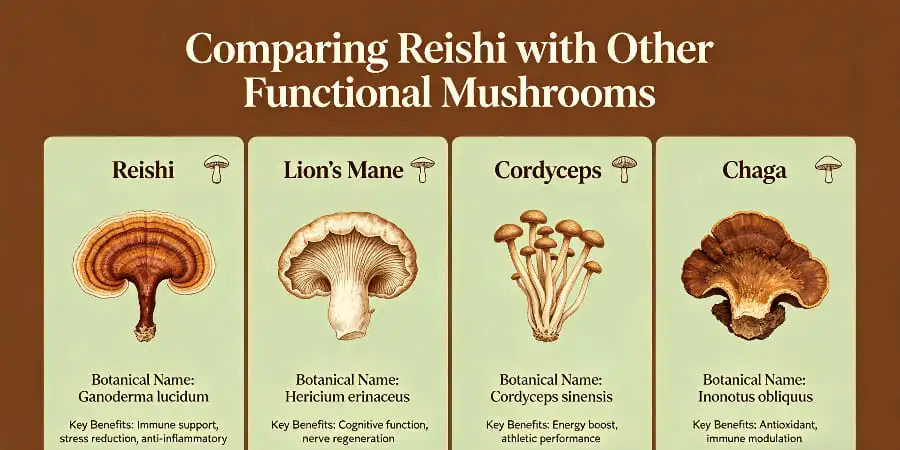
It is important for buyers to know how reishi is different from other useful mushrooms so they can make smart choices about where to buy their goods in a very competitive market. Because it mostly works on nerve growth factor stimulation and cognitive ability, Lion's Mane is great for formulas that help you think more clearly. People who are busy should take cordyceps because it helps the body use energy and perform better. Melanin, which is good for skin health, is found in chaga and makes it a powerful antioxidant.
There is nothing else like reishi because it can both calm people down and make their defensive systems stronger. To help with sleep, worry, and health in general, it can be used in many different ways because it works on two levels at once. To make all-around stress-relieving mixes, people who make products often mix reishi mushroom extract with plants that help with worry, like ashwagandha or L-theanine. It is also mixed with other mushrooms to make items called "mushroom blend" that are good for you in many ways.
How to Use Reishi Extract for Optimal Results?
Dosage Guidelines and Delivery Forms
Dosing that works depends on the quantity of the extract and the results you want. Polysaccharide doses of 1,500 mg to 3,000 mg daily have been shown to help the immune system. For stress and sleep, slightly smaller doses of 1,000 mg to 2,000 mg are often used when using standardised extracts with 20–30% polysaccharide content. When making capsules, tablets, or powders, product makers need to take these factors into account.
The format of delivery has a big effect on bioavailability and user compliance. Because they are easy to use and give accurate doses, capsules are best for daily vitamin plans. Powdered extracts mix easily into functional drinks, smoothies, and adaptogenic coffee blends. However, how well the extracts dissolve in water becomes very important—they need to dissolve totally without any sediment to meet the needs of beverage manufacturers. Tinctures are quickly absorbed, but they are hard to standardise and keep stable for industrial use.
Timing and Integration into Wellness Routines
Taking reishi supplements at the right time for your body and health goals will give you the best benefits. Stress management apps usually suggest taking a dose in the morning or lunchtime to help keep cortisol levels steady during the day. Taking sleep aids one to two hours before bedtime is best because it gives the chemicals enough time to get into the bloodstream and start working on nerve systems.
When you mix reishi with ingredients that work well with it, the general effect is better. Magnesium glycinate helps muscles relax and GABA receptors work, which works well with the calming triterpenoids in reishi. Adaptogenic flowers, such as holy basil and rhodiola, offer extra ways to deal with stress. When making mixtures with more than one ingredient, you should think about how they might interact with each other and test their stability to make sure the compound stays intact during storage.
Safety Considerations and Transparency
Professionals in procurement need to talk about safety issues so that clients can trust their advice. In clinical tests, reishi has been shown to be very safe. Adverse effects are rare and usually mild, like mild digestive upset in sensitive people. If you are about to have surgery, reishi might affect your blood clotting, so you shouldn't take it. Also, if you are taking immunosuppressant drugs at the same time, you should talk to your doctor about it.
For B2B buyers, it's still important to be clear about the heavy metal level, microbial purity, and residual solvents. Reliable suppliers give out Certificates of Analysis that show amounts of lead, arsenic, cadmium, and mercury that are well below what the government allows. Total aerobic plate counts, yeast, mould, and pathogen tests make sure that products used in food, cosmetics, and nutraceuticals are safe.
Selecting the Right Reishi Extract for Your Business Needs
Evaluating Extract Quality and Specifications
Premium reishi extracts are different from commodity-grade materials in a number of scientific ways. Getting the material from fruiting bodies instead of mycelium guarantees higher levels of triterpenes and a more true reflection of traditional medical uses. The way of extraction is important. For example, polysaccharides are efficiently extracted using hot water, while triterpenoids are concentrated using alcohol extraction. Full-spectrum profiles are made with dual-extraction processes, which use both ways together.
Specifications for standardisation make sure that all production batches are the same. Polysaccharide content is the main indicator, and good suppliers offer standard choices of 10%, 20%, 30%, or 50%. Beta-glucan subspecification is an extra way to make sure the quality is good. Triterpenoid content, which is harder to standardise, is listed on the requirements for premium extracts. It usually ranges from 2% to 6% ganoderic acid content.
Organic approval meets the growing demand for clean labels. Organic certifications like USDA Organic, EU Organic, and others require farming without using synthetic fertilisers or pesticides. This makes the product appealing to health-conscious brands and helps the product's premium placement. For products that care more about price than organic status, conventional extracts are still a good choice.
Market Positioning Against Competing Ingredients
Understanding how competitors are positioned helps buying teams come up with product lines that stand out. Compared to prescription sleep aids, reishi is a natural option that doesn't cause addiction or make you feel sleepy in the morning. Unlike synthetic stress supplements, it has been used for hundreds of years in Asian wellness practices, giving it a cultural authenticity that appeals to people who want to take a more holistic approach.
When reishi is compared to other botanical ingredients that help with stress, its two immune-boosting benefits make it a unique value offer. Ashwagandha is mostly used to lower cortisol levels and give you energy. Valerian root helps you fall asleep, but it doesn't have any immune-boosting properties. L-theanine helps you relax without having the wider adaptogenic benefits that reishi does. This means that reishi should be used as a main ingredient in wellness goods that are all-around, not just one-use items.
Supplier Selection and Partnership Criteria
Long-term product success depends on picking providers you can trust. Some important things that are looked at when judging a product are its manufacturing certifications (GMP, ISO 22000, HACCP), its testing abilities, its batch consistency records, and its technical help for formulating new products. Suppliers who offer custom polysaccharide specs make it possible to make formulations that meet specific cost or therapeutic goals.
Transparency in the supply line lowers risk. Check the qualifications of the places where the cannabis is grown, extracted, and tested. Ask for proof that you can follow the supply chain from growing the mushrooms to making the powder. Formulation problems can be avoided by having stable supply relationships. Look at how your suppliers handle inventory, how much they can make, and how they plan for yearly changes or higher demand.
Minimum order amounts and the types of packaging used affect how procurement planning is done. Industrial buyers need MOQs that are flexible enough to support both small tests of new products and large production runs. Bioactive compounds are kept safe during storage and transport in containers that don't let moisture or light in. For bulk amounts, nitrogen flushing or vacuum sealing can extend the shelf life.
Maximizing Business Value with Reishi Extract Products
Market Trends and Consumer Demand
The market for useful mushrooms around the world is growing quickly. More than anything else, people buy vitamins to help with health problems like stress and sleep problems. A market study found that between 35% and 40% of adults in developed countries have trouble sleeping. The same number of people also say they are stressed at work. There is a big need for natural solutions that don't have the bad affects of drugs.
These days, more and more people want goods that can do more than one thing and improve their health in more than one way. Reishi mushroom extract's immune-stress-sleep profile goes well with this trend. This means that brands can make goods that are useful in many ways instead of just one. When there are a lot of brands on the market, clean-label positioning, third-party testing proof, and clear source stories can help them stand out.
New formats for products make it possible for new markets to open up that weren't possible with old packages. Many people like functional mushroom coffee and tea mixes because they help them drink healthy drinks every day. There are ready-to-drink forms, gummies, and powder stick packs for people who like things to be easy. Reishi's anti-inflammatory and antioxidant properties are used in skin care items to help people deal with stress as part of the beauty-from-within brand.
Strategic Formulation Development
When making a product, it's important to think about how well it works, how much it costs, and where it fits in the market. There are basic product lines with prices that most people can afford that have 1,000 to 1,500 mg of reishi as the only ingredient. Some mid-range goods combine reishi with mushrooms that work well together, like Lion's Mane for brain health and Cordyceps for energy. This makes mushroom mixes that taste good together, which is why they cost more.
Advanced recipes mix reishi with adaptogens, amino acids, and vitamins to make mixtures that help with stress. People who care about their health and are willing to pay more for better options will buy these high-tech items. This helps the business make more money and show that it is ahead of the curve. You can save time and money by getting custom recipe help from providers with a lot of experience.
Building Long-Term Supplier Partnerships
For a business to grow over time, it needs to have relationships with its suppliers that go beyond just buying things. Partnerships that work together are helpful because they help with co-development, share market data, and let production be flexible when demand changes. When a supplier wants their clients to succeed, they offer formulation advice, help with stability testing, and help with regulatory paperwork. These things all cut down on the time it takes for new goods to hit the market.
Quality that stays the same from batch to batch protects the brand's reputation and builds trust with users. Prices won't change when you have long-term supply deals with well-known manufacturers. This also makes sure that you get what you need when demand is high. Making sure that production plans and product launch times are in sync is what joint business planning is all about. This keeps stock from running out, which would slow down sales.
Conclusion
One of the most important things that companies that make natural sleep and stress-relieving goods use is reishi extract. Today, it is an important part of health formulations because it is safe, has bioactive chemicals that have been studied in depth, and can be used in many nutraceuticals, functional foods, and cosmetics. People are looking for natural health goods that are backed by proof, and businesses can take advantage of this by making sure their products meet quality standards, working with reliable suppliers, and following market trends. When you mix the history of traditional use with new scientific evidence, you get stories that are interesting to health-conscious people who are looking for alternatives to drugs to help them sleep and deal with stress.
FAQ
Is reishi extract safe for long-term daily use?
Clinical studies demonstrate excellent safety profiles for extended reishi supplementation. Healthy adults tolerate standardized extracts well when used at recommended dosages over periods spanning several months. Individuals with specific health conditions, particularly those affecting immune function or blood clotting, should consult healthcare providers before beginning supplementation. Pregnant and nursing women should avoid reishi due to insufficient safety data for these populations. Quality extracts from reputable suppliers that undergo heavy metal and microbial testing minimize safety concerns related to contaminants.
How does dosage vary between powder and concentrated extract?
Dosage differences reflect concentration levels. Whole mushroom powder typically requires 3,000-5,000 mg daily to approximate effects achieved with 1,000-1,500 mg of standardized extract containing 20-30% polysaccharides. When developing products, calculate active compound content rather than raw material weight. This ensures consistent therapeutic effects and enables accurate label claims. Procurement professionals should specify desired polysaccharide percentages rather than generic "extract" to ensure formulation consistency across suppliers.
What certifications should B2B buyers prioritize for reishi products?
GMP certification confirms manufacturing quality systems meeting pharmaceutical-grade standards. Organic certification addresses clean-label positioning and premium market segments. Third-party testing verification from independent laboratories provides unbiased quality confirmation. Industry-specific certifications depend on target markets—NSF certification for sports nutrition, Informed Choice for athletes, Kosher or Halal for religious compliance. ISO 22000 demonstrates food safety management, while HACCP certification confirms hazard control protocols throughout production.
Partner with Wellgreen for Premium Reishi Extract Supply
Wellgreen Technology operates as a specialized reishi extract manufacturer supporting nutraceutical brands, functional food developers, and cosmetic formulators with consistent, high-quality botanical ingredients. Our GMP-certified facility produces standardized reishi mushroom extract with customizable polysaccharide specifications ranging from 10% to 50%, addressing diverse formulation requirements across capsules, powders, and beverage applications. We maintain extensive inventory ensuring prompt delivery, support both organic and conventional grade supply, and offer batch-to-batch consistency critical for long-term brand partnerships. Our technical team provides formulation consultation for mushroom combination matrices, particularly when integrating reishi with Lion's Mane, Cordyceps, or other functional species. As an established reishi extract supplier, we deliver comprehensive documentation including Certificates of Analysis, stability data, and regulatory support materials expediting your product development timeline. Contact our team at wgt@allwellcn.com to discuss your specific requirements, request samples, or explore OEM/ODM collaboration opportunities that transform your wellness product vision into market-ready formulations.
References
Wachtel-Galor S, Yuen J, Buswell JA, Benzie IFF. "Ganoderma lucidum (Lingzhi or Reishi): A Medicinal Mushroom." In: Benzie IFF, Wachtel-Galor S, editors. Herbal Medicine: Biomolecular and Clinical Aspects. 2nd edition. Boca Raton (FL): CRC Press/Taylor & Francis; 2011.
Sanodiya BS, Thakur GS, Baghel RK, Prasad GB, Bisen PS. "Ganoderma lucidum: a potent pharmacological macrofungus." Current Pharmaceutical Biotechnology. 2009;10(8):717-742.
Cui XY, Cui SY, Zhang J, Wang ZJ, Yu B, Sheng ZF, Zhang XQ, Zhang YH. "Extract of Ganoderma lucidum prolongs sleep time in rats." Journal of Ethnopharmacology. 2012;139(3):796-800.
Matsuzaki H, Shimizu Y, Iwata N, Kamiuchi S, Suzuki F, Iizuka H, Hibino Y, Okazaki M. "Antidepressant-like effects of a water-soluble extract from the culture medium of Ganoderma lucidum mycelia in rats." BMC Complementary and Alternative Medicine. 2013;13:370.
Batra P, Sharma AK, Khajuria R. "Probing Lingzhi or Reishi medicinal mushroom Ganoderma lucidum (higher Basidiomycetes): a bitter mushroom with amazing health benefits." International Journal of Medicinal Mushrooms. 2013;15(2):127-143.
Ahmad MF. "Ganoderma lucidum: Persuasive biologically active constituents and their health endorsement." Biomedicine & Pharmacotherapy. 2018;107:507-519.