What are the Differences Between Agaricus Bisporus Powder and Mushroom Extracts?
2026-04-21 17:17:05
It is important to know the basic differences between organic agaricus bisporus powder and concentrated mushroom extracts when you are looking for mushroom-based ingredients for your formulation process. The ways these two kinds are processed, the amounts of bioactive substances they contain, and the functions they serve are very different. Whole mushroom fruiting bodies are dried and ground into organic agaricus bisporus powder. This keeps the full nutrient matrix, which includes β-glucans, proteins, dietary fiber, and minerals. On the other hand, mushroom extracts go through complex extraction processes that separate and concentrate specific active chemicals, mainly polysaccharides and beta-glucans. This gives them standard levels of potency that meet pharmaceutical-grade standards.
Understanding Agaricus Bisporus Forms: Powder vs Mushroom Extracts
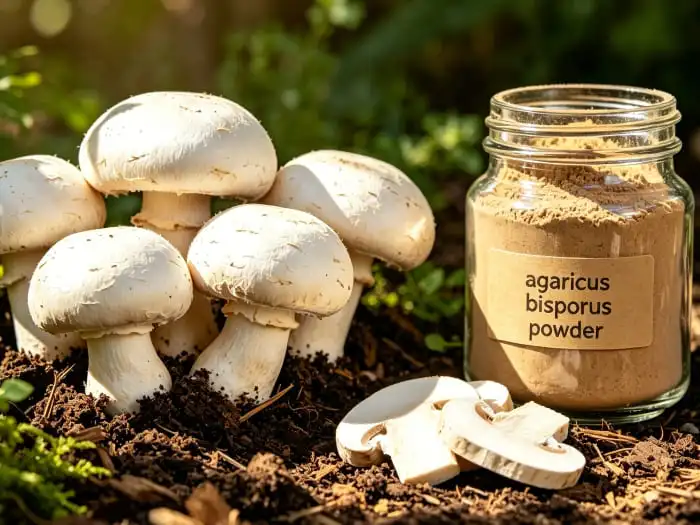
Growing Agaricus bisporus for profit, also called the button mushroom, white mushroom, or table mushroom, has created a booming market for ingredients that are used in many different types of businesses. This edible basidiomycete fungus grows naturally in fields in North America and Europe, and it is one of the most widely grown mushroom species in the world.
Processing Methods and Production Techniques
Organic agaricus bisporus powder comes from mushroom fruiting bodies that are grown naturally and are carefully picked, cleaned, and dried at low temperatures to keep nutrients that are sensitive to heat. The dried stuff is then ground into a fine powder, which keeps the whole food's makeup, including the cell walls, natural enzymes, and all the vitamins. This gentle processing method keeps the mushroom's natural umami-rich flavor compounds, which makes it useful as a natural flavor booster in cooking and food manufacturing.
The process of making mushroom liquids is very different. Hot water extraction, alcohol extraction, or dual-extraction methods are used to break down cell walls and separate target chemicals from fresh or dried mushrooms. After making a liquid concentrate, it is filtered, standardized to certain polysaccharide amounts, and then spray-dried to make a powder. This process makes products with bioactive concentrations that can be measured. These concentrations are usually standardized to 10%, 20%, 30%, or 50% polysaccharides, which meets the strict test needs of companies that make nutraceuticals and medicines.
Nutritional and Bioactive Profiles
The nutrients in these two types are very different from one another. Organic agaricus bisporus powder still has a high nutrient density, with protein levels between 20 and 30 percent, dietary fiber, B vitamins, selenium, potassium, and naturally occurring beta-glucans making up 5 to 15 percent of the total weight. The powder form keeps the prebiotic properties that help keep the gut microbiome healthy, which is an increasingly important quality in functional food creation.
Mushroom extracts give up a wider range of nutrients in order to release bioactives more efficiently. It's possible for a standardized extract to have 30% carbohydrates by weight, which is three to six times more than whole mushroom powder. This concentration makes it possible to use exact doses in supplement mixes where certain health claims need verified amounts of active compounds. The extraction method can also get rid of possible allergens and lower the amount of chitin present, making the food easier for sensitive groups to digest and absorb.
Quality Markers and Standardization
Professionals in procurement look at these ingredients through a number of different quality views. Organic approval is the most important for both types because it proves that the plants were grown without using synthetic pesticides, herbicides, or GMOs. Third-party tests for heavy metals, pesticide residues, and microbial contamination gives you basic peace of mind about safety.
In addition to these basic standards, mushroom powders are also judged on their moisture level, particle size distribution, bulk density, and consistency in taste profile. Stability in taste and color from batch to batch is very important for food producers who want to keep their products consistent across production runs.
Extracts are looked at more closely by scientists. High-performance liquid chromatography (HPLC) checks the amount of polysaccharides and beta-glucans, and special tests check the molecular weight profiles and ratios of beta-glucans. Pharmaceutical clients need full Certificates of Analysis that show microbiology results, heavy metal levels below USP limits, and testing for leftover solvents when alcohol extraction methods are used. The traceability goes from where the raw materials come from to the GMP compliance of the extraction plant and on to the final product specifications.
Key Differences in Application and Usage for Industrial and Commercial Clients
Whether you choose powder or agaricus bisporus extract depends on your formulation goals, how you want to place your product in the market, and the rules that apply. Each form has its own benefits that make it useful for different types of applications.
Dietary Supplement Formulations
Nutraceutical companies that make products to boost the immune system usually choose standardized mushroom extracts. Because the polysaccharide content is so high, formulators can get therapeutic doses into smaller pill sizes, which makes it easier for customers to follow through. A 500 mg tablet with 30% polysaccharide extract gives you 150 mg of active compounds, which is the same amount used in clinical studies to back up claims that it can change the immune system.
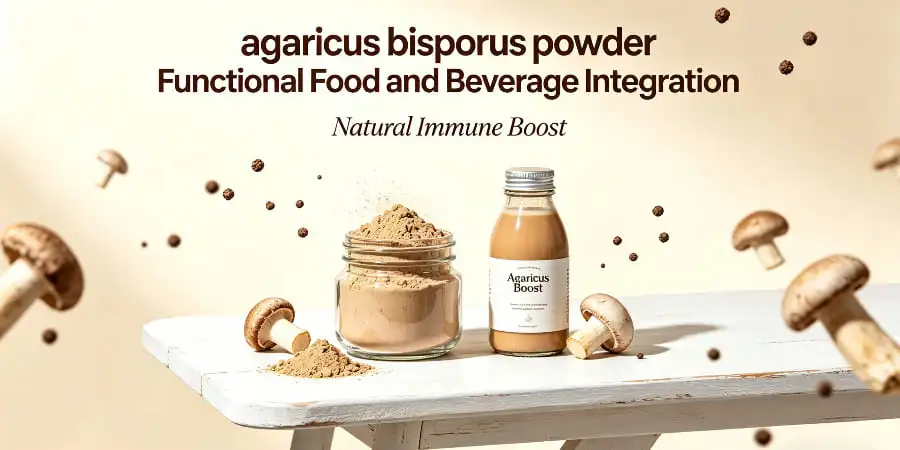
Whole-food multivitamin blends, greens powders, and functional beverage mixes are good places for organic agaricus bisporus powder to fit in as a supplement because they focus on full nutrition rather than individual ingredients. Along with beta-glucan, the powder contains protein, fiber, and minerals, making it appealing to clean-label shoppers who want products that have been processed as little as possible. The naturally occurring umami flavor profile makes savory drink mixes and food replacements taste better.
Functional Food and Beverage Integration
Supplement makers have to deal with different rules than food makers. Protein bars, baked items, soup bases, and seasoning blends can all use organic mushroom powder without any problems. The powder adds to the nutrition and makes food taste better naturally. It may also lower your sodium needs because it contains umami substances that are high in glutamate. Because goods may not be completely sterilized before being sold, food-grade certifications and microbiological control become very important requirements.
Functional drink makers use mushroom extracts when they need water-soluble ingredients with bland taste profiles. Spray-dried extracts dissolve easily in water without adding a strong mushroom taste. They are great for drinks that boost immunity, coffee alternatives that are adaptogenic, and wellness shots. The concentrated form reduces the amount that needs to be used, which keeps formulation problems related to texture, mouthfeel, or taste interference in delicate beverage matrices to a minimum.
Pharmaceutical and Cosmetic Applications
Pharmaceutical companies that are making herbal medicines or over-the-counter health goods need the analytical precision that can only be found in standardized extracts. Regulatory submissions are supported by bioactive profiles that are uniform, extraction methods that have been tested, and a lot of stability data. Controlled amounts of heavy metals and strict microbiology requirements meet the standards set by the pharmacopoeia for oral dosage forms.
Cosmetic scientists use mushroom ingredients in moisturizers, brightening treatments, and serums that fight aging. The concentrated polysaccharides and vitamins help condition the skin, keep it hydrated, and may even reduce inflammation. Agaricus bisporus extracts go through extra steps to get rid of things that don't dissolve and get the clarity needed for beautiful makeup formulations. Organic recognition and COSMOS approval make it easier for people to buy natural beauty products.
Pet Food and Animal Nutrition
The nutrition industry for pet animals is a new application area. Pet food companies add organic agaricus bisporus powder to high-end dog and cat foods to promote their immune system and gut health benefits. The whole-food style fits with pet owners' desire for humanized pet food, which means they want ingredients that are easy to recognize and have been processed as little as possible. Studies on palatability show that pets like formulas with added mushrooms, especially when they are mixed with meat-based tastes.
Comparing Quality, Safety, and Certification for Procurement Decisions
For mushroom ingredient quality control, you need to know about layered certification systems, analytical testing methods, and regulatory compliance frameworks that are specific to your target markets.
Organic Certification and Clean Label Credentials
Getting real organic approval from the USDA, the EU, or another similar organization is the best way to be sure of how crops are grown. Verification goes beyond the mushroom farm and includes processing plants, making sure that the organic purity of the whole supply chain. For each batch of production, procurement managers should ask for organic certificates and check the certificate numbers against regulatory records to make sure they are valid and cover the necessary areas.
For clean label positioning to work, there needs to be more than just organic standing. People are worried about being exposed to chemicals in agricultural products, so third-party testing for pesticide residues, even at amounts below organic thresholds, helps. Verification of non-GMOs, gluten-free certification, and allergen statements open up more market possibilities for people with a wide range of dietary preferences. These extra certifications need to be checked every year and have ongoing testing programs that responsible makers make sure are always in place.
Analytical Testing and Specification Compliance
Premium suppliers are set apart from commodity sellers by thorough analytical testing. Heavy metal testing must look for all four of the metals that are of concern: lead, arsenic, cadmium, and mercury. The results must be compared to the legal limits for the place you're going to. Because mushrooms take in environmental pollutants, where they come from and the quality of the land are very important for getting low heavy metal profiles.
The end use of your product must be taken into account in the microbiology specs. Ingredients for ready-to-eat foods go through different microbial reduction methods than raw materials that will be used in supplements. Number of plates, limits for yeast and mold, and pathogen tests for E. E. coli, Salmonella, and Staphylococcus aureus should follow the rules set by the AHPA for plant ingredients or meet customer needs for pharmaceutical uses.
Verification of polysaccharide content using approved analytical methods makes sure that extracts live up to what they say on the label and support structure-function lines. The UV-vis spectrophotometry method is a cheap way to screen, but the HPLC method is more accurate for measuring beta-glucans. Suppliers who provide method validation data and take part in third-party skill testing programs show that they are good at analysis, which helps with regulatory defense.
Global Regulatory Frameworks
Understanding how area regulations are different can help you get into new markets without any problems. Under DSHEA, the FDA controls mushroom ingredients as dietary supplements. To make sure that they are made correctly and that their labels are correct, manufacturers must follow cGMP rules. Structure-function promises must be true, not false, and backed up by scientific proof, but they don't need to be approved by the FDA before they go on the market.
Novel foods have to go through tighter reviews in European markets, but common mushroom species like Agaricus bisporus usually get established food status. For European distribution, it's necessary to follow food safety management systems and EU heavy metal limits, which are often stricter than US norms.
Practical Guide to Selecting the Right Agaricus Bisporus Product
Systematic evaluation frameworks that match the properties of an ingredient with its use and the company's goals help with purchasing choices.
Application-Driven Selection Criteria
The most important choice point is matching the form of an ingredient to its end use. When making immunity-boosting capsules for health-conscious people, using standardized extracts with confirmed polysaccharide content gives the product promises the clinical support and dose consistency they need to be believed. People won't complain about the taste because it's neutral, and because it's compressed, you only need two capsules a day instead of six capsules of whole mushroom powder.
On the other hand, organic agaricus bisporus powder provides real ingredient clarity when making organic protein powders or superfood blends that focus on whole-food nutrition. The powder adds all the nutrients you need, like protein, fiber, and vitamins, and supports marketing claims about clean labels. The mild umami notes make savory recipes taste better without the need for hiding agents.
Powder format is useful for food companies making soup bases or seasoning blends because it naturally boosts the taste. As a result of the glutamic acid content adding savory depth, sodium needs may be lowered while taste pleasure is maintained. Because powder is cost-effective at normal food inclusion rates, it is the smart choice for goods where immune support claims are secondary to cooking functions.
Supplier Assessment and Partnership Development
When evaluating possible suppliers, it's not enough just to compare their specifications; you also need to see how well they work with others. Having the right technical help is very important during the formulation development stages. Suppliers who help with regulatory documentation, application guidance, and stability testing add value on top of offering basic ingredients.
Before making big promises, sample testing should be done. Asking for lab samples lets you check the quality internally, try out different formulations, and test the taste before placing a business order. Responsible suppliers give useful sample amounts along with Certificates of Analysis that show the quality of commercial production, not specially made materials for study purposes.
Specification tolerance ranges, testing protocols, and quality dispute resolution techniques should all be talked about during contract negotiations. Misunderstandings can be avoided by writing down clearly the limits for moisture content, particle size, and bacteria standards. Setting up rules for giving out certificates of analysis, storing samples for a certain amount of time, and sharing stable data makes quality relationships clear.
When set up correctly, long-term supply agreements are good for both sides. Price stability and supply prioritization during market shortages are ensured by volume commitments. At the same time, suppliers gain insight into production planning, which allows them to optimize capacity. Including clauses for "force majeure," price adjustments based on raw material cost indices, and review cycles for quality specifications helps make agreements that are fair and support long-term relationships.
Conclusion
In the end, your formulation goals, target market positioning, and regulatory standards will determine whether you use organic agaricus bisporus powder or mushroom extracts. Powder forms work best in whole-food uses that focus on full nutrition, natural taste enhancement, and clear labels. Extracts are used in pharmaceutical and nutraceutical processes that need consistent bioactive concentrations, accurate dosing control, and approved analytical standards. Procurement strategies that work well look at more than just unit economics. They also look at the overall cost of formulation, which includes dosage needs, testing costs, and investments needed to meet regulatory requirements. Your product development efforts will be more likely to succeed in the long term in the competitive wellness markets if you work with certified suppliers who have open quality systems, quick technical help, and reliable supply chains.
FAQ
Is organic agaricus bisporus powder safe for dietary supplement use?
Organic agaricus bisporus powder is generally recognized as safe when sourced from reputable manufacturers maintaining proper quality controls. The mushroom has extensive culinary history and GRAS status in food applications. However, procurement managers should verify organic certification authenticity, review heavy metal testing results, and confirm microbial specifications meet supplement industry standards. Some literature mentions agaritine, a naturally occurring hydrazine derivative, though typical consumption levels in commercial products fall well below toxicological concern thresholds established by food safety authorities.
How do beta-glucan levels compare between powder and extract?
Whole organic mushroom powder typically contains 5-15% beta-glucans naturally occurring within the mushroom's cell wall structure. Standardized mushroom extracts concentrate these compounds to 15-50% depending on extraction intensity and purification degree. Pharmaceutical and nutraceutical applications requiring specific beta-glucan dosages prefer extracts enabling precise formulation control, while food applications benefit from powder's natural nutrient matrix without requiring concentrated bioactive levels.
What storage conditions maintain product efficacy?
Both forms require cool, dry storage conditions protected from direct sunlight. Organic agaricus bisporus powder maintains optimal quality at temperatures below 25°C with relative humidity under 60%, preserving enzyme activity and preventing moisture absorption that encourages microbial growth. Extracts demonstrate greater stability across wider temperature ranges due to lower moisture content and standardized composition. Sealed packaging in moisture-barrier materials extends shelf life for both products, with properly stored materials maintaining quality for 24-36 months.
Partner with Wellgreen for Premium Organic Agaricus Bisporus Powder Supply
Wellgreen Technology specializes in delivering pharmaceutical-grade organic agaricus bisporus powder backed by comprehensive certifications, rigorous testing protocols, and responsive technical support. Our GMP-certified manufacturing facilities maintain stringent quality standards throughout production, ensuring consistent batch-to-batch specifications that meet your formulation requirements. We provide complete documentation including organic certificates, heavy metal testing, pesticide residue analysis, and microbial testing performed by accredited third-party laboratories. Whether you need bulk organic mushroom powder supplier partnerships or customized polysaccharide specifications, our procurement team offers flexible MOQ options, competitive volume-based pricing, and reliable delivery schedules supporting your production timelines. Contact our team at wgt@allwellcn.com to request product samples, discuss your specific application requirements, or receive detailed quotations tailored to your procurement needs.
References
Chang, S.T. & Miles, P.G. (2018). Mushrooms: Cultivation, Nutritional Value, Medicinal Effect, and Environmental Impact. CRC Press, Boca Raton.
Valverde, M.E., Hernández-Pérez, T. & Paredes-López, O. (2015). Edible mushrooms: Improving human health and promoting quality life. International Journal of Microbiology, Article 376387.
Rathore, H., Prasad, S. & Sharma, S. (2017). Mushroom nutraceuticals for improved nutrition and better human health: A review. PharmaNutrition, 5(2), 35-46.
Wasser, S.P. (2014). Medicinal mushroom science: Current perspectives, advances, evidences, and challenges. Biomedical Journal, 37(6), 345-356.
Friedman, M. (2016). Mushroom polysaccharides: Chemistry and antiobesity, antidiabetes, anticancer, and antibiotic properties in cells, rodents, and humans. Foods, 5(4), 80.
Kalaras, M.D., Richie, J.P., Calcagnotto, A. & Beelman, R.B. (2017). Mushrooms: A rich source of the antioxidants ergothioneine and glutathione. Food Chemistry, 233, 429-433.