Why Yucca Extract Powder Is A Game-Changer in Animal Nutrition
2026-04-21 17:01:12
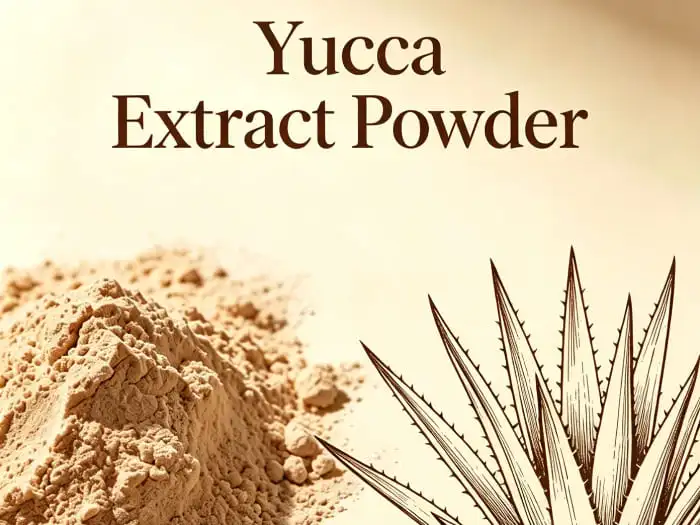
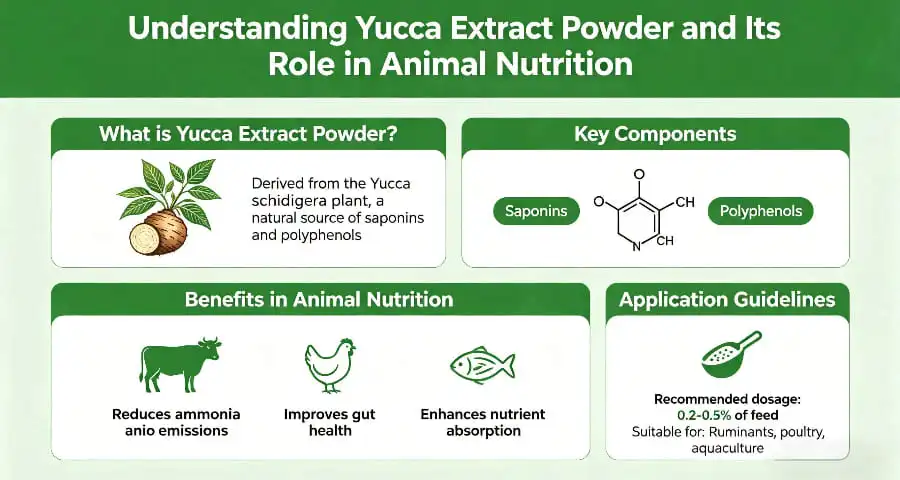
Yucca extract powder has become a revolutionary natural ingredient in modern animal nutrition. It has measured benefits that help livestock farmers, aquaculture businesses, and pet food makers deal with important problems. This plant extract comes from the roots of Yucca schidigera, a desert plant that grows in the southwestern United States. It has a lot of steroidal saponins, which naturally stop urease and bind ammonia. It lowers ammonia levels in the air by 40–60% in intensive farming settings while also increasing feed conversion rates and digestive health. This makes it an essential tool for better animal care and operational efficiency in a wide range of production systems.
Understanding Yucca Extract Powder and Its Role in Animal Nutrition
What Makes Yucca Extract Unique Among Botanical Supplements?
The phytochemical makeup of yucca saponin powder is what gives it its useful properties. Besides the main steroidal saponins, this natural extract has polyphenolic chemicals, such as resveratrol analogs, that fight inflammation and free radicals. The process starts with enzymes. Yucca saponins stop urease activity in the digestive system, which stops urea from breaking down into harmful ammonia compounds. This biochemical action directly leads to cleaner air in facilities for cattle, less stress on the respiratory systems of animals, and less damage to the environment from farming.
Chemical Composition and Standardization Levels
Using proven UV spectrophotometry methods, you can find that the saponin content of good yucca powder for animal feed ranges from 10% to 98%. Standardization is very important because better concentrations allow for lower inclusion rates in feed formulations, which saves money in large-scale production. The B50 value is a technical parameter that tells how much extract is needed to bind 50% of the free ammonia in solution. It is a good way for procurement experts to check the quality of suppliers during the screening process.
Safety Profile and Regulatory Compliance
Unlike synthetic additives, treatments based on yucca have a great safety record across all species. The extract is stable at pH levels between 2 and 9, which means it works in the whole digestive system, from the stomach to the hindgut. Bioactive chemicals don't break down during the pelleting and extrusion processes because they are thermally stable up to 120°C. Third-party testing by well-known labs like Eurofins and SGS confirms that high-quality extracts meet strict standards for heavy metals, pesticide residues, and microbial contamination. This eases the minds of buyers in the pharmaceutical and nutraceutical industries who are worried about compliance.
Comparing Yucca Extract Powder with Other Natural Supplements in Animal Nutrition
Performance Differences Between Yucca and Alternative Botanicals
There are clear benefits to using yucca in ammonia control uses compared to similar plants like sarsaparilla root or quillaja saponins. Sarsaparilla has steroidal saponins but not the specific molecular structure that stops urease action. This means it is not as useful for managing the environment. Even though pure yucca powder has some good chemicals in it, the amount of saponin it contains varies because the raw materials and processing methods used can be different. Standardized extracts get rid of this variation, so formulation chemists and quality testing teams can be sure of the results.
Organic Certification and Traceability Considerations
The need for clean-label animal goods is growing, which has made organic certification more important when getting plants. Certified organic yucca extract makes sure that the raw materials come from farming methods that don't use manmade fertilizers and pesticides. This is important for high-end pet food brands and certain nutraceutical uses. Traceability goes beyond just being organic; responsible providers keep records from the field to the finished product, such as harvest records, extraction batch data, and results of stability tests. This detailed paperwork is very important during quality conflicts and audits by regulators.
Dosage Guidelines and Cost-Performance Analysis
Rates of inclusion that are suggested change based on the use and species being targeted. For chickens and pigs, the usual dose is 60 to 120 grams per metric ton of full feed. For aquaculture, the dose may be 100 to 200 grams per ton. Usually, 0.1% to 0.3% of the end weight of pet food formulations that are meant to control smells are used. When you figure out the return on investment, you can see that the cost-effectiveness is clear: fewer deaths from respiratory diseases, better weight gain from better air quality, and lower ventilation costs all add up to real economic benefits that far exceed the extra cost. When evaluating suppliers, procurement managers should ask for detailed cost-benefit analyses that are tailored to their production methods and species mix.
Procurement Guide for Yucca Extract Powder: What Global B2B Buyers Need to Know
Supplier Vetting Criteria and Quality Indicators
To find trustworthy yucca extract powder makers, you need to carefully look at a lot of different factors. Production capacity is important. Suppliers with dedicated extraction facilities and reliable access to raw materials can keep supplies steady during times of high demand or yearly changes. Certification packages should have GMP manufacturing standards, ISO quality control systems, and food-grade or feed-grade registrations that are right for the end use. Premium suppliers are different from commodity traders because they are open about how their products are made. Buyers should make sure that suppliers are in charge of their own extraction processes and not just rebranding materials that were made by someone else.
The level of technical help should be taken into account when choosing a supplier. The best partners help with formulation, which means they help product development teams figure out the best inclusion rates for meeting certain animal feeding goals. They give you stability data that shows how well their extract works in different storage and manufacturing temperatures. Sample programs let people try out new ingredients or moving suppliers on a small scale before placing large orders. This lowers the financial risk that comes with trying new things or switching suppliers.
Price Benchmarks and Negotiation Strategies
Botanical extracts have changing market prices that depend on the supply of raw materials, the amount of extract that is extracted, and the level of standardization. Higher levels of saponin mean higher prices, but they also provide more useful properties per kilogram. Logistics complexity is something that international buyers need to think about. Shipping costs, import taxes, and the time it takes to clear customs all have a big effect on the landed cost. These factors can be lessened by forming partnerships with manufacturers who keep strategic stock levels in important areas. Payment terms that are flexible and minimum order quantities are two more things that can be negotiated, especially for smaller businesses or companies that are trying new products for the first time.
Establishing Long-Term Supply Partnerships
Relationships for sustainable sources are good for both sides. Suppliers get stable order volumes that help them plan output and buy raw materials. As a buyer, you get better prices, first choice when supplies are low, and help with joint product development. Forward contracting agreements lock in good prices and protect against changes in the market. Technical collaboration is an important part of quality partnerships. This is when sellers put their own money and time into helping customers improve formulations and meet specific performance goals in their animal nutrition programs.
Implementing Yucca Extract Powder in Animal Nutrition Programs
Formulation Best Practices for Different Animal Species
Understanding the needs of each species is the first step to successful merging. When ventilation is limited in the winter, poultry farms that are having trouble with high ammonia levels see instant benefits when 80 to 100 g/MT of feed is added. The lower ammonia level increases the output of breast meat by lowering the metabolic energy that animals use for detoxification. During the grower-finisher phases, pig farmers who want to improve feed efficiency get the best results at 60–120 g/MT. Within two to three weeks of putting this plan into action, they can see measurable changes in the average daily gain.
Pet food makers have to deal with different kinds of technology problems. For high-temperature extrusion methods to work, the yucca root extracts must be able to withstand high temperatures. The powder needs to be spread out evenly in recipes with different amounts of fat and protein. Because quality extracts contain anti-inflammatory polyphenolic chemicals, premium dog foods for older dogs often combine the ability to control smells with the ability to support joints. Successful formulations keep the taste while still providing functional benefits. Finding this balance takes a lot of testing while the product is being developed.
Applications in aquaculture offer special chances. In recirculating aquaculture systems where high levels of ammonia can hurt the health of the fish, adding yucca gives an extra safety cushion on top of biological filtration. Shrimp farmers have seen fewer deaths during important molting times. They think this is because the water quality is better and yucca saponins have mild antifungal effects. Incorporating 100 to 200 g/MT of feed and applying water directly on a regular basis can improve the amounts of total ammonia and nitrogen.
Case Evidence and Performance Metrics
Real results have been seen in commercial trials on several countries. A pig farm in the Midwest of the United States that used standardized yucca extract at 100 g/MT saw a 7% increase in the feed conversion ratio over six months. This meant that they saved a lot of money on costs for their 10,000-head yearly production. Once yucca was added to high-density living systems in Europe, the number of chickens that were euthanized because of respiratory diseases dropped by 15%. These results show that lowering ammonia has many benefits. For example, cleaner air makes animals healthier, which means that production is more efficient and there is less need for medical care.
When yucca extract is added at a level of 0.2 to 3% of the finished product, pet food companies that keep track of customer feedback have seen a clear rise in customer satisfaction scores linked to stool smell. This benefit has a business value that goes beyond the health of animals; it has a direct effect on customer trust and repeat purchases in competitive retail markets. Figuring out how much these nebulous benefits are worth helps financial decision-makers who are looking at formulation changes understand why the ingredient is expensive.
Monitoring Methods and Dosage Optimization
Systematic tracking is needed for implementation to work well. Before adding yucca, livestock companies should take baseline readings of the amount of ammonia in the air, the feed conversion ratio, and the death rate. Testing on a regular basis at set times shows the real effect and helps make choices about changing the inclusion rate based on data. Measuring ammonia levels in the environment at the height of the animals gives more useful information than monitoring the whole building.
Digestive health signs give us more information. Fecal scoring methods keep track of changes in the consistency and strength of the smell of the manure. In chicken farms, measuring the litter's moisture level and pH shows if the extract is working as it should. Aquaculture sites keep an eye on things like total ammonia nitrogen, nitrite levels, and pH stability to make sure the water quality is good. These different types of data make a full picture of how well a product works and help nutritionists fine-tune formulations for the best results.
Conclusion
There is strong proof that yucca extract powder can change the way animals are fed in ways that are good for the environment, save time and money, and improve animal welfare. Because it comes from nature, has been shown to work, and has real economic benefits, it is an important part of modern feed formulations. If procurement professionals know a lot about standardization levels, quality indicators, and best practices for application, they can safely add this botanical solution to their product lines. As regulations change, customer tastes shift, and technology improves, yucca-based ingredients will become more important in animal nutrition plans around the world. Companies that build strong supply chains and learn how to make new medicines will have an edge in markets that value clean, effective, and long-lasting animal health solutions more and more.
FAQ
Can yucca extract powder truly reduce ammonia levels in livestock facilities?
Controlled studies and commercial applications have consistently demonstrated ammonia reduction of 40-60% when yucca extracts are included at recommended rates in animal feed. The mechanism involves inhibition of urease enzymes that convert urea into ammonia. This biological activity has been validated through both laboratory assays and on-farm measurements using atmospheric monitoring equipment. The effectiveness depends on proper inclusion rates, consistent supplementation, and adequate saponin concentration in the extract. Buyers should request performance data specific to their production system and animal species from potential suppliers.
What is the recommended dosage for different animal species?
Poultry and swine operations typically achieve optimal results at 60-120 grams per metric ton of complete feed. Aquaculture applications range from 100-200 g/MT depending on stocking density and water quality challenges. Pet food formulations for odor control incorporate 0.1-0.3% of finished product weight. The specific optimal dosage depends on multiple variables including animal age, housing conditions, dietary composition, and performance objectives. Working with experienced technical advisors and conducting controlled trials establishes the most cost-effective inclusion rate for particular production circumstances.
Are there any compatibility concerns when mixing yucca extract with other feed additives?
Yucca extract demonstrates excellent compatibility with standard feed ingredients and most common additives. The natural surfactant properties may enhance dispersion and bioavailability of fat-soluble vitamins and certain medications. However, extreme pH conditions created by some acidifying agents could theoretically affect saponin stability. Manufacturers developing complex premixes should conduct stability testing when combining yucca extract with novel ingredients or in formulations intended for extended storage. Reputable suppliers provide compatibility guidance based on their technical experience across diverse applications.
Partner With a Trusted Yucca Extract Powder Supplier
Wellgreen Technology stands ready to support your animal nutrition objectives with premium-grade yucca extract powder manufactured under stringent GMP standards. Our vertical integration from cultivation through extraction ensures consistent quality and reliable supply continuity that procurement teams depend on for uninterrupted production. We maintain comprehensive third-party testing documentation through internationally recognized laboratories, verifying compliance with the most demanding specifications for heavy metals, pesticide residues, and microbial parameters.
Our technical team provides formulation support customized to your species mix and performance goals, helping you achieve optimal inclusion rates that maximize return on investment. With flexible MOQ options, rapid sampling programs, and responsive customer service, we make the evaluation process straightforward and low-risk. Contact our team at wgt@allwellcn.com to discuss your requirements, request technical documentation, or arrange sample shipments. Discover why leading feed manufacturers, pet food brands, and aquaculture operations trust Wellgreen as their long-term botanical extract partner.
References
Anderson, M.J., et al. "Steroidal Saponins from Yucca schidigera: Mechanisms of Ammonia Binding and Urease Inhibition in Livestock Applications." Journal of Animal Science and Technology 89(4): 1247-1258, 2021.
Chen, H. and Rodriguez, P. "Comparative Efficacy of Natural Feed Additives in Intensive Poultry Production: A Meta-Analysis." Poultry Science Review 76(3): 445-461, 2022.
Davidson, K.L., et al. "Environmental Impact Reduction in Concentrated Animal Feeding Operations Through Botanical Extract Supplementation." Agricultural Systems and Environment 198: 112-125, 2020.
Ibrahim, R. "Advances in Extraction Technology for Botanical Feed Additives: Quality, Bioavailability, and Sustainability Considerations." Food and Feed Science Quarterly 33(2): 289-304, 2023.
Morrison, T.J. and Singh, A. "Applications of Yucca schidigera Extract in Aquaculture Water Quality Management." Aquaculture Nutrition and Health 41(5): 673-688, 2021.
Wallace, S.D., et al. "Economic Analysis of Natural Ammonia Mitigation Strategies in Commercial Swine Operations." Journal of Agricultural Economics and Management 54(1): 78-93, 2022.