What are the Quality Standards for Fritillaria Bulb Extract?
2026-04-21 16:48:21
The alkaloid content, purity standards, and safety limits set by international pharmacopeias are what determine the quality of fritillaria extract. To get high-quality fritillaria bulb extract, you need to make sure that active ingredients like peimine and peiminine are checked using approved testing methods and that the product meets GMP standards and limits for contaminants. Understanding these factors is important for making sure that treatment effects are the same and that regulations are followed in nutraceutical, pharmaceutical, and functional food uses.
Understanding Fritillaria Bulb Extract and Its Quality Challenges
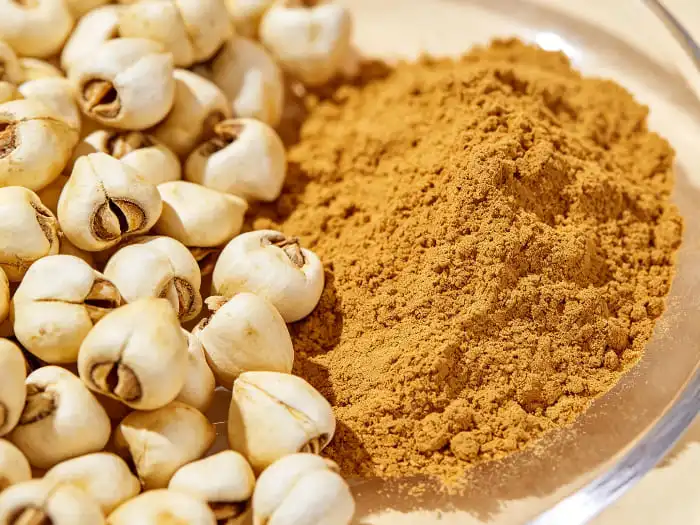
The dried bulbs of Fritillaria cirrhosa, a species in the Liliaceae family, are used to make fritillaria bulb extract. Bioactive alkaloids like peimine, peimisine, and verticine are found in this pale yellow to brown powder. Soaps made from these alkaloids and saponins help clear up lung heat and ease coughing. Modern pharmacological research shows that it can help with coughing, congestion, asthma, and inflammation. Because of these benefits, it is a valuable ingredient in traditional Chinese medicine, functional foods, and animal uses.
Botanical Variability and Species Distinction
One problem that keeps coming up when trying to buy fritillaria is telling the difference between Fritillaria cirrhosa (Chuanbeimu) and Fritillaria thunbergii (Zhebeimu). Even though both species look a lot alike and contain isosteroidal alkaloids, their chemical profiles are very different. According to LC-MS/MS study, Chuanbeimu has higher levels of peimisine, usually between 17.92 and 123.53 μg/g, while Zhebeimu has higher levels of imperialine, usually between 78.05 and 344.09 μg/g. This difference in composition has an impact on both therapeutic results and regulatory classification, especially in markets with strict rules about where botanicals can be sourced.
Processing Methods and Active Compound Stability
How the alkaloid is extracted has a direct effect on how much of it is retained and how bioavailable it is. In Chinese pharmacy practice, traditional processing methods called paozhi can change the alkaloid matrix by heating it up or adding an adjuvant. Heat-sensitive compounds may break down during bad extraction, which lowers the therapeutic potential of the end product. To make sure that active ingredients stay stable during production, procurement teams need to ask about extraction chemicals, temperature controls, and drying methods.
Contamination Risks During Cultivation
Some farming methods can lower the quality of the food. Heavy metals that build up in the soil, pesticide leftovers from crop protection measures, and the growth of microbes during harvest and storage can all make it hard to grow fritillaria in some places. Studies show that bulbs grown at high elevations tend to have lower levels of poisoning, but they still need to be thoroughly tested no matter where they come from. When procurement professionals know about these environmental factors, they can take preventative quality steps early on in the supply chain.
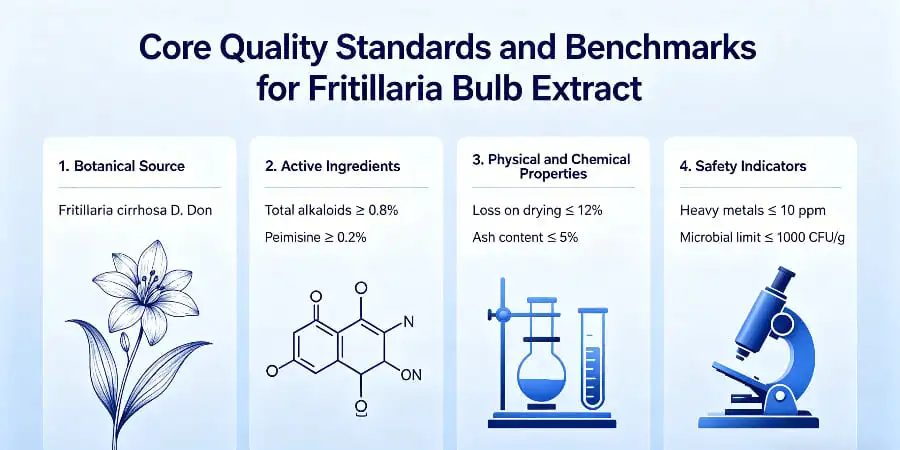
Core Quality Standards and Benchmarks for Fritillaria Bulb Extract
Setting clear quality standards saves the integrity of your formulation and your regulatory standing. When judging botanical extracts, the pharmaceutical and nutraceutical businesses use a number of well-known standards.
Alkaloid Content Specifications
The main way to tell if fritillary bulb extract is good or bad is by its total alkaloid level. High-performance liquid chromatography (HPLC) is usually used to measure total alkaloid levels, which are usually given as a range of 0.3% to 2.0% in standardized goods. Each alkaloid profile is important in its own way; peimine and peiminine are used as quality control markers. Suppliers should give certificates of analysis (COA) that show the amounts of these specific alkaloids, not just the rates of all alkaloids. With this detailed information, formulation experts can figure out the right dose and guess how the drug will work in the body.
Physical and Chemical Parameters
Besides the amount of alkaloid, there are a few other physical traits that show how well the processing was done. To keep microbes from growing while the food is being stored, the moisture level shouldn't be more than 5%. For properly processed extracts, the ash percentage, which is made up of inorganic residue, is usually between 3% and 8%. Too much ash means that the land is dirty or that the cleaning process wasn't done right. Solubility and bioavailability are affected by the spread of particle sizes, especially for water-soluble ingredients in functional drinks. For most uses, the best dissolution properties are achieved with mesh sizes between 80 and 120.
Contaminant Limits and Safety Thresholds
Heavy metal limits are set by rules and regulations like USP General Chapter 2232. To keep mercury below 0.5 ppm, arsenic below 2 ppm, lead below 5 ppm, and cadmium below 1 ppm, please follow these steps. To check for organochlorines, organophosphates, and pyrethroids in pesticide residue, the methods described in pharmacopeial papers must be followed. Total plate count (less than 1,000 CFU/g), yeast and mold count (less than 100 CFU/g), and the lack of dangerous organisms like E. coli and Salmonella are all signs that the microbes are safe. These limits keep end users safe and make sure that all foreign markets follow the rules.
Certification Requirements
Getting GMP certification shows that a factory follows tested methods for cleanliness, machine calibration, and keeping records. Systematic quality management is shown by ISO 9001 certification, and food safety management is covered by ISO 22000 certification. For example, to get a USDA or EU organic license, you have to show proof of how you grew the food, and you can't use synthetic pesticides or genetically modified organisms. These badges give procurement teams proof that suppliers are serious about quality systems that they can check.
Quality Testing and Verification Procedures
The main part of quality assurance systems is thorough testing protocols. People who work in procurement should know which analysis methods produce accurate data.
Identity and Authenticity Verification
The first step in botanical recognition is to look at the plant both large and small and compare its shape to pharmacopoeial standards. DNA barcoding technology can verify at the molecular level, finding species substitution or fraud that a visual review might miss. Thin-layer chromatography (TLC) is a quick screening method that creates unique fingerprint patterns that prove the identity of plants. Before more time- and resource-intensive analyses, these basic tests should be done.
Quantitative Analysis of Active Compounds
The best way to measure alkaloid levels is still with HPLC that has UV or diode array measurement. The International Council for Harmonization (ICH) says that the linearity, precision, accuracy, limit of detection, and limit of quantification must all meet certain criteria for method approval. Gas chromatography-mass spectrometry (GC-MS) is an extra method for finding volatile parts and liquids that are still present. Suppliers should use approved analytical methods and take part in programs that test lab skills to show they are skilled.
Microbial and Chemical Safety Testing
Standard plate count methods are used to count the microbes, and selective media are used to find specific diseases. Limulus Amebocyte Lysate (LAL) assay checking for endotoxins is important, especially for pharmaceutical uses. ICP-MS, or inductively coupled plasma mass spectrometry, can accurately measure the amount of heavy metals present at very low levels. Using liquid chromatography-tandem mass spectrometry (LC-MS/MS), multi-residue pesticide analysis checks hundreds of chemicals at the same time. To do these thorough safety checks, you need trained people and special tools.
Stability and Shelf-Life Studies
Accelerated stability tests at controlled temperatures and humidity levels can predict how a product will break down, including fritillary bulb extract. Expiration dates are confirmed by real-time stability studies done at the suggested storage conditions. Analytical testing done at set times keeps track of the amount of alkaloids, wetness, microbes, and physical traits in fritillary bulb extract. The information from these studies is used to make suggestions for storage and packing, which protects the quality of fritillary bulb extract all the way through the distribution chain.
Selecting a Reliable Fritillaria Extract Supplier: Best Practices
Comparing standard sheets is only one part of choosing a supplier. A methodical evaluation process lowers risks in the supply chain and builds relationships that will last for a long time.
Certification and Documentation Review
You should ask for copies of the most recent GMP certificates, ISO registrations, and organic approvals. Check the validity of a certificate by getting in touch with the organization that issued it. Look over audit reports from outside inspection firms and make a note of any problems and what needs to be done to fix them. Check batch records that show you can track the product from the time you receive the raw materials to the time you release the finished product. A lot of paperwork shows that operations are clear and that you are ready for regulations.
Production Capacity and Technical Capabilities
Check the annual production levels to make sure that your sources can keep up with your growth plans without lowering the quality of their work. Find out about the specs of the extraction equipment, the analytical laboratory equipment, and the number of quality control staff. Suppliers with their own research and development departments can make custom specs and help with formulation optimization. Supply disruptions can be avoided by having backup production sites and different places to get raw materials.
Sample Testing and Trial Orders
The first evaluation of a sample shows useful features of a product that the specs alone can't show. Test how well it dissolves in the matrix you want to use for the formulation, how stable the color is under processing conditions, and how it tastes in consumer goods. Full analytical testing should be done by your qualified laboratory, and the results should be compared to source COAs to make sure they are correct. Prior to signing large-volume contracts, small test orders are used to make sure that the quality is consistent.
Pricing Structure and Contract Terms
Cost is important, but very low prices often mean that quality has been sacrificed. Clear price plans take into account the costs of raw materials, the difficulty of processing, the cost of keeping certifications up to date, and the cost of testing. Price levels based on volume should be based on real savings of scale, not on quality loss. The terms of the contract should include requirements, testing procedures, acceptance standards, delivery dates, and ways to settle disagreements. Payment terms that balance the need for cash flow with the security of the supplier's finances are good for both sides.
Maintaining Quality Throughout the Supply Chain
Preserving quality goes beyond the original decisions about what to buy. Taking care of and storing your expensive raw materials the right way will protect your investment.
Storage and Handling Requirements
Fritillaria extract needs to be kept in a cool, dry place that is out of direct sunshine. Temperatures between 15°C and 25°C stop alkaloids from breaking down, and relative humidity below 60% stops water from absorbing and microbes from growing. Use containers that are sealed and made of food-safe materials that keep air out. Use first-in, first-out (FIFO) inventory movement to keep things from going bad too quickly. Places for storage should stay away from strong-smelling things that could make other things smell bad.
Quality Monitoring During Distribution
Temperature monitoring devices keep an eye on the weather while shipments are being shipped, especially when they are going between different temperature zones internationally. Shock indicators show damage from handling that could weaken the integrity of the package. Quality checks are done on a regular basis at distribution centers to find any problems with the goods before they get to manufacturing facilities. These tracking systems keep records that can be used for insurance claims and to hold suppliers accountable.
Documentation and Supplier Communication
Keep detailed records, such as purchase orders, COAs, MSDSs, allergen statements, and letters about changes to specifications. Partnerships are stronger when you talk to providers on a regular basis about quality standards, market trends, and changes to regulations. When providers are quickly told about quality problems, they can look into what went wrong and take steps to fix them. Working together to solve problems builds trust and makes the supply chain more stable over time.
Conclusion
To get high-quality fritillaria extract, you need to pay attention to standardizing alkaloids, keeping contaminants under control, and making sure you can trust your source. People who work in procurement who know about botanical authentication, analytical testing methods, and regulatory requirements can make decisions that protect the safety and effectiveness of products and the people who use them. Supply chain trust is built through third-party testing, a thorough review of all documentation, and ongoing quality monitoring. The fact that fritillaria quality standards are so complicated shows how important it is to work with experienced sources who consistently follow the rules and have technical know-how.
FAQ
How can I verify the purity of fritillaria extract from suppliers?
Request detailed COAs showing HPLC analysis of individual alkaloids, not just total alkaloid percentages. Independent third-party testing through accredited laboratories provides unbiased verification. Compare multiple batch COAs to assess consistency over time. Suppliers should readily provide method validation data and participate in proficiency testing programs that demonstrate analytical competence.
What distinguishes organic from conventional fritillaria extract?
Organic certification requires documented cultivation without synthetic pesticides, chemical fertilizers, or genetically modified organisms. Testing protocols verify absence of prohibited substances. Organic extracts may command premium pricing due to certification costs and potentially lower yields, though alkaloid content can match conventional products when properly cultivated. Application requirements and consumer preferences determine whether organic sourcing justifies additional investment.
What red flags indicate substandard fritillaria extract?
Unusually low pricing compared to market averages often signals adulteration or quality shortcuts. Reluctance to provide comprehensive COAs, testing methods, or facility certifications raises concerns. Inconsistent alkaloid levels between batches indicate poor quality control. Excessive moisture content, off-odors, or unusual coloration suggest improper processing or storage. Lack of traceability documentation prevents verification of botanical identity and sourcing practices.
Partner with Wellgreen for Premium Fritillaria Extract Supply
Wellgreen Technology specializes in manufacturing standardized fritillaria bulb extract that meets rigorous international quality benchmarks. Our GMP-certified production facility maintains comprehensive inventory across multiple specifications, ensuring reliable supply for your formulation needs. We provide complete documentation including third-party testing certificates, botanical authentication reports, and stability data that support your regulatory submissions. Our technical team collaborates closely with product developers, offering customized alkaloid standardization and flexible minimum order quantities suited for both established brands and emerging product lines.
Whether you require water-soluble powders for functional beverages, high-potency concentrates for nutraceutical capsules, or specialized grades for cosmetic applications, our quality assurance protocols deliver batch-to-batch consistency. Rapid response times and efficient logistics ensure your production schedules remain uninterrupted. Contact our procurement specialists at wgt@allwellcn.com to discuss your specific requirements and receive detailed product specifications. As a trusted fritillaria extract supplier, we help you navigate quality complexities while maintaining competitive positioning in the botanical extract marketplace.
References
Zhang, Y., et al. (2019). "Phytochemistry and Pharmacological Properties of Fritillaria Species: Focus on Isosteroidal Alkaloids." Journal of Ethnopharmacology, 241: 112034.
Wang, L., et al. (2021). "Quality Control and Authentication of Fritillaria cirrhosa and Fritillaria thunbergii Using LC-MS/MS and Chemometric Analysis." Journal of Pharmaceutical and Biomedical Analysis, 195: 113875.
Li, Q., et al. (2020). "Traditional Uses, Phytochemistry and Pharmacology of Fritillaria thunbergii: A Comprehensive Review." Chinese Medicine, 15: 48-67.
Chen, M., et al. (2018). "Antitussive and Expectorant Activities of Fritillaria Alkaloids: Pharmacological Mechanisms and Clinical Applications." Evidence-Based Complementary and Alternative Medicine, 2018: 3671295.
United States Pharmacopeia. (2022). "General Chapter 2232: Elemental Impurities—Limits." USP-NF Standards, Rockville, MD: United States Pharmacopeial Convention.
International Council for Harmonisation. (2019). "ICH Q2(R1): Validation of Analytical Procedures: Text and Methodology." ICH Harmonised Guidelines, Geneva: ICH Secretariat.