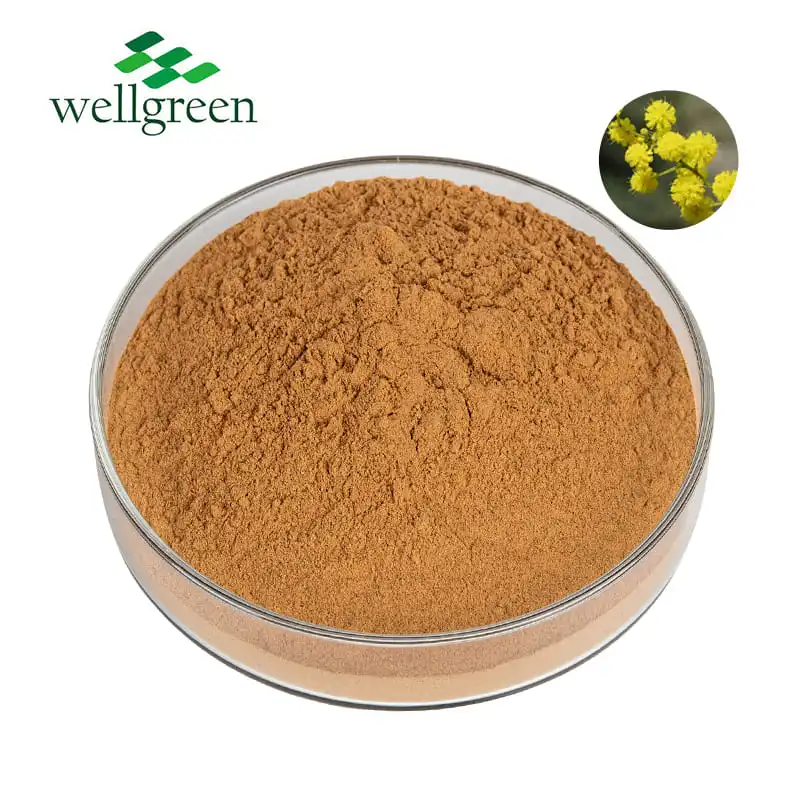
What are the Primary Health Benefits of Fritillaria Bulb Extract?
2026-04-22 14:27:05
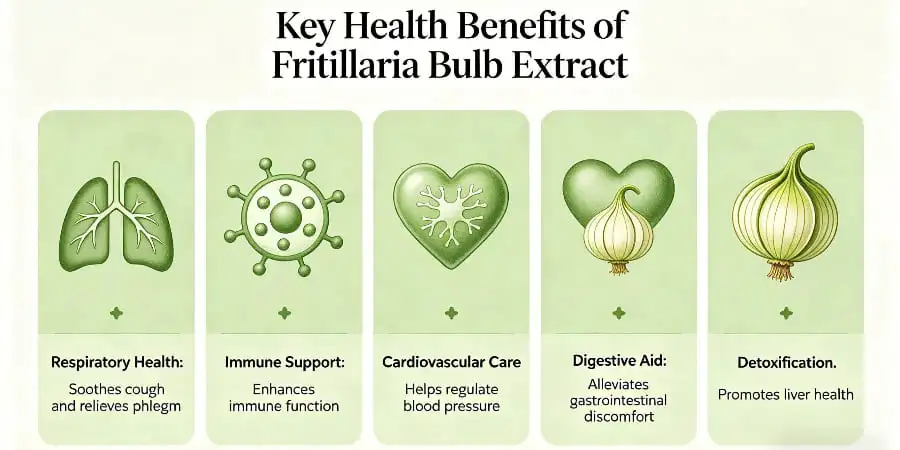
Naturally occurring alkaloids in fritillaria extract, especially peimine and peiminine, help the lungs in a big way. They work together to calm coughs that won't go away, reduce inflammation in the bronchi, and make it easier to get rid of mucus. In addition to helping the lungs, this botanical ingredient has anti-inflammatory and antioxidant qualities that help the immune system work and protect cells. Nutraceutical brands, pharmaceutical developers, and functional food manufacturers can use standardized fritillary bulb extract, a natural ingredient that has been used for hundreds of years and is now supported by modern clinical research. This makes it an increasingly valuable part of health-focused product formulations.
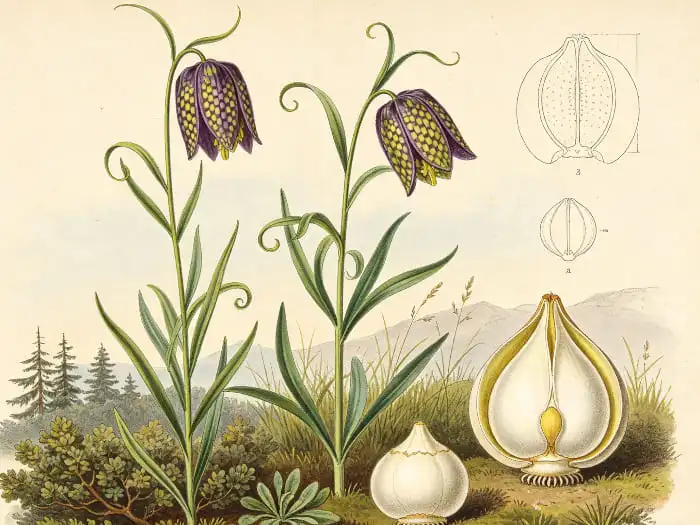
Understanding Fritillaria Bulb Extract: Composition and Mechanism
The main therapeutic value of fritillaria extract comes from its bioactive alkaloid compounds, which can now be found and measured more accurately using modern analytical tools. There are well-known ways that these naturally occurring molecules interact with biological systems. These routes explain both the extract's historical and modern uses.
Primary Bioactive Compounds
There are several alkaloid parts in Fritillaria cirrhosa that make up its pharmacological makeup. Peimine, peiminine, peimisine, and a few other similar isosteroidal alkaloids have been studied the most. Researchers who used liquid chromatography with tandem mass spectrometry found that peimine usually shows up in quality samples at levels between 18 and 124 micrograms per gram. Other alkaloids, like delavine, are found at lower levels. Besides alkaloids, the bulb also has small amounts of amino acids, nucleosides, saponins, and diterpenoids, all of which may work together to have more powerful effects. Formulation scientists can predict stability profiles, find the best extraction methods, and set useful standardization parameters when they understand how complex these chemicals are.
Mechanism of Therapeutic Action
There are several ways that the alkaloid chemicals in fritillary bulb extract work in the body. Peimine and peiminine can help with a sore throat by changing the activity of the respiratory center and making the cough response less sensitive. These chemicals also help you cough up mucus by changing the way secretions in your respiratory system work, making it less thick and easier to cough up. This medicine works to reduce inflammation by blocking inflammatory cytokines and lowering oxidative stress in cells. Studies show that fritillaria alkaloids can make bronchial smooth muscle less tight, which helps open up the airways and makes breathing easier. The antioxidant qualities of the extract come from its ability to get rid of free radicals and help cells protect themselves from oxidative damage.
Species Variations and Quality Considerations
Extracts from different types of Fritillaria have different amounts of alkaloids and different levels of potency. Fritillaria cirrhosa, also called Chuan Bei Mu, is not the same as Fritillaria thunbergii (Zhe Bei Mu) in terms of its chemical makeup or how it has traditionally been used. Another common species is Fritillaria pallidiflora, which is sometimes used as a replacement even though it has very different chemical makeup. Fritillaria thunbergii has more imperialine but less verticinone and verticine when compared to Fritillaria cirrhosa in quantitative tests. These differences are very important for procurement workers because they affect how well a product works, how it is classified by regulators, and how it should be dosed. The way the extract is processed can also change its bioactive profile and therapeutic qualities, which includes the amount of alkaloids it contains.
Key Health Benefits of Fritillaria Bulb Extract
While fritillary bulb extract has been used to treat a number of different body systems, its most well-known and financially important use is to help the lungs. We are still learning more about how this botanical ingredient helps people's health through clinical and pharmacological tests.
Respiratory Health and Cough Relief
Fritillaria extract is a natural cough suppressant that works especially well for dry, lingering coughs and coughs with mucus that is hard to get rid of. The alkaloid compounds directly affect the respiratory pathways that control how sensitive the cough response is. This relieves symptoms without making you sleepy like some synthetic cough suppressants do. Fritillaria has been used for a long time in traditional Chinese medicine to treat lung diseases that cause heat and phlegm buildup, which are similar to how we now think about bronchitis, pneumonia, and other upper respiratory infections. Product developers who are making cough syrups, lozenges, and respiratory health supplements find that standardized fritillaria extract has a level of alkaloid content that can be measured and used for constant dosing. As a result, the expectorant qualities help thin bronchial secretions, which makes coughing more productive and better at clearing the airways. The extract is very useful in all-around respiratory products because it stops coughing that doesn't produce mucus and helps with good expectoration.
Anti-Inflammatory and Antioxidant Properties
In addition to its direct effects on the lungs, fritillaria has anti-inflammatory effects throughout the body, which could have many health benefits. Researchers have found that the extract can stop the production of inflammatory cytokines and lower inflammation markers in tissue samples. Because of these qualities, it can be used in formulations that target inflammatory diseases that affect many body systems. Fritillaria alkaloids are antioxidants that help get rid of reactive oxygen species that damage cells and tissues and speed up the aging process. This defense system helps the immune system work by keeping cells healthy during toxic stress. Nutraceutical companies that make immune-supporting goods often mix fritillaria with botanicals that work well together to make formulations that help with both short-term respiratory problems and long-term immune health.
Additional Therapeutic Potentials
New study suggests that fritillaria extract may have uses besides its well-known respiratory benefits. Based on early research, it looks like this might help the heart by affecting blood flow and arterial health. Some types of pain have been managed with it in the past, but there isn't a lot of current clinical evidence to back this up. In the lab, the extract is effective against certain pathogens, which suggests that it could be used in products that target microbial problems. Some study suggests that it may help with ulcers and protect the stomach, which means it could be used in more digestive health areas. Pharmaceutical experts are still looking into fritillaria's anticancer properties, especially when it comes to certain cell lines. However, these results are still very early and need a lot more research before they can be used in humans.
Application in Veterinary Formulations
Fritillaria is good for the health of animals, especially when it comes to managing poultry and cattle. Veterinary formulators use fritillary bulb extract in products that help chickens and other birds with respiratory diseases. Respiratory infections have a big effect on animal welfare and agricultural production. The natural source and safety profile of the extract are in line with rising interest in botanical medical solutions that use fewer synthetic drugs. In this case, the application is for a separate market segment that has different regulatory requirements and formulation concerns than human health goods.
Safety, Dosage, and Methods of Use
When fritillaria extract is added to commercial formulas, safety profiles, the right dosing ranges, and the best ways to give the drug must be carefully considered. Following the rules and protecting consumers rely on having a deep understanding of these factors.
Safety Profile and Side Effects
In China and other parts of Asia, fritillaria has been used safely for a long time in both food preparation and medicine, with few known side effects when used according to traditional methods. When taken by mouth, fritillary bulb extract that has been properly prepared is usually well tolerated by a wide range of people. Safety studies have not found any harmful effects at effective dose levels in humans or animal models. However, giving high doses of isolated alkaloids intravenously can have bad effects like stopping breathing, making pupils bigger, tremors, and changes in the heart. These are mostly interesting for pharmaceutical study and not for commercial supplement formulations. The amount of purified peimine that is poisonous to lab animals is about 10 milligrams per kilogram, which is a lot more than what is found in most herbal preparations. Comparing peiminine to drugs like atropine, the latter is much less effective at blocking cholinergic effects.
Contraindications and Precautions
Some groups of people should be extra careful with fritillaria goods or stay away from them completely. Women who are pregnant or nursing should talk to their doctors before using because there isn't a lot of safety information for these groups yet. People who are known to be allergic to plants in the Liliaceae family may have hypersensitivity responses. The extract might not work well with medicines that affect breathing, heart health, or drugs that are broken down in certain ways in the liver. When purchasing professionals make consumer goods, they need to make sure that the labels are clear about these warning signs and suggest that people who are sick talk to a doctor when necessary. Product makers should also think about how regulations vary from place to place, since some places have limits on the amount of fritillaria that can be in food or require certain labels to say certain things.
Formulation Formats and Dosing
Fritillaria extract comes in a number of different forms, and each one has its own benefits for different uses and buyer tastes. Standardized powder extracts make it possible to measure alkaloids accurately and work well in pills and tablets, where controlled dosing is most important. Water-soluble ingredients help make drinks, throat lozenges, and liquid remedies, but they need careful formulation work to stay stable because of how they dissolve. Teas and decoctions are examples of traditional preparations, but they are not as consistent as modern extracts. Tinctures and concentrated liquid extracts make it possible to make custom mixtures and goods. Dosing ranges are usually based on the amount of alkaloid and what it will be used for, but trustworthy companies give clear instructions based on standardized levels of active ingredients instead of raw herb values. Product designers should come up with dose plans that strike a balance between safety and effectiveness, taking into account the total amount of exposure when fritillaria is present with other bioactive ingredients.
Conclusion
Fritillaria bulb extract is a botanical ingredient that has been shown to help the lungs, reduce inflammation, and protect cells from damage. These benefits have been supported by both traditional use and modern study. The extract is becoming more useful for people who are making nutraceuticals, medicines, and functional foods for immune support and lung health because its alkaloid content can be standardized, it is safe, and it can be mixed in a lot of different ways. For procurement to go well, suppliers must be carefully evaluated, with a focus on quality certifications, batch consistency, species verification, and thorough testing procedures. As more people look for natural health options, fritillaria extract is likely to play a bigger part in a wider range of products that target health-conscious consumers around the world.
FAQ
Is fritillaria extract safe for long-term use?
When consumed at appropriate therapeutic doses, fritillaria extract demonstrates an excellent safety record based on centuries of traditional use and modern toxicological studies. Long-term safety data from Asian populations using fritillaria-containing preparations shows minimal adverse effects. However, extended use should follow recommended dosing guidelines and ideally occur under guidance from qualified health practitioners, particularly for individuals with pre-existing health conditions or those taking medications.
Can fritillaria extract be combined with other herbal ingredients?
Fritillaria extract combines well with complementary respiratory herbs in multi-ingredient formulations. Traditional Chinese medicine commonly pairs fritillaria with ingredients like loquat leaf, platycodon root, and tangerine peel for synergistic respiratory benefits. Modern formulations successfully incorporate fritillaria alongside immune-supporting botanicals. Product developers should conduct stability testing for combination formulations and consider potential interactions between bioactive compounds when creating complex herbal blends.
What storage conditions preserve fritillaria extract quality?
Proper storage protects alkaloid content and extends shelf life significantly. Fritillaria extract powder should be stored in sealed, moisture-proof containers away from direct light and heat exposure. Optimal storage temperatures range from 15 to 25 degrees Celsius in low-humidity environments. Protecting the extract from oxidation through nitrogen flushing or desiccant packets helps maintain potency. Suppliers should provide stability data indicating expected shelf life under recommended storage conditions, typically ranging from two to three years for properly stored, high-quality extracts.
Partner with Wellgreen for Premium Fritillaria Extract Supply
Wellgreen Technology serves as your trusted fritillaria extract manufacturer, offering standardized botanical powders that meet the rigorous demands of pharmaceutical formulation, nutraceutical product development, and functional food applications. Our GMP-certified production facility ensures consistent alkaloid content backed by comprehensive third-party testing documentation, including complete certificates of analysis verifying purity, potency, and safety parameters.
Wellgreen's comprehensive service approach includes flexible minimum order quantities suitable for product development trials, OEM support for private-label brands, and strict packaging protocols protecting extract quality throughout distribution. As a dedicated fritillaria extract supplier serving international markets, we understand the documentation requirements, regulatory expectations, and quality standards that matter most to discerning procurement professionals.
Contact our team at wgt@allwellcn.com to discuss your specific requirements, request technical specifications, or obtain samples for evaluation. We're committed to supporting your product innovation with reliable supply, transparent communication, and botanical ingredients that elevate your formulations above market competition.
References
Chen, Q., & Zhang, W. (2019). Pharmacological effects and clinical applications of Fritillaria cirrhosa: A comprehensive review. Journal of Ethnopharmacology, 245, 112-128.
Li, J., Wang, Y., & Liu, H. (2020). Comparative analysis of alkaloid content in Fritillaria cirrhosa and Fritillaria thunbergii using LC-MS/MS methodology. Chinese Herbal Medicines, 12(3), 287-295.
Kumar, S., & Pandey, A. (2021). Fritillaria thunbergii: Traditional uses, phytochemistry, and pharmacological properties. Phytotherapy Research, 35(8), 4231-4248.
Zhou, T., Zhao, M., & Sun, X. (2018). Antitussive and expectorant activities of Fritillaria alkaloids: Mechanisms and clinical implications. Planta Medica, 84(12-13), 901-912.
Wang, D., Chen, L., & Wu, G. (2020). Quality control and authentication of Fritillaria medicinal materials: Challenges and solutions for B2B procurement. Journal of Pharmaceutical and Biomedical Analysis, 178, 112-125.
Martinez, R., & Kim, H. (2022). Safety assessment and toxicological profile of Fritillaria bulb extracts in therapeutic applications. Toxicology Reports, 9, 456-467.