What is Polygonum Multiflorum Used For?
2026-03-19 13:38:44
Polygonum multiflorum extract is a strong plant ingredient that is mostly used in anti-aging products, hair health supplements, and liver support supplements. This traditional Chinese plant, also called He Shou Wu or Fo-Ti, contains standardized bioactive chemicals such as 2,3,5,4'-tetrahydroxystilbene-2-O-β-D-glucoside (TSG), which help stop hair loss, increase hair density, and protect cells. It is used in nutraceuticals, functional foods, cosmetics, and pharmaceuticals today, which makes it an important ingredient for companies that want to reach wellness-conscious customers around the world.
Understanding Polygonum Multiflorum Extract
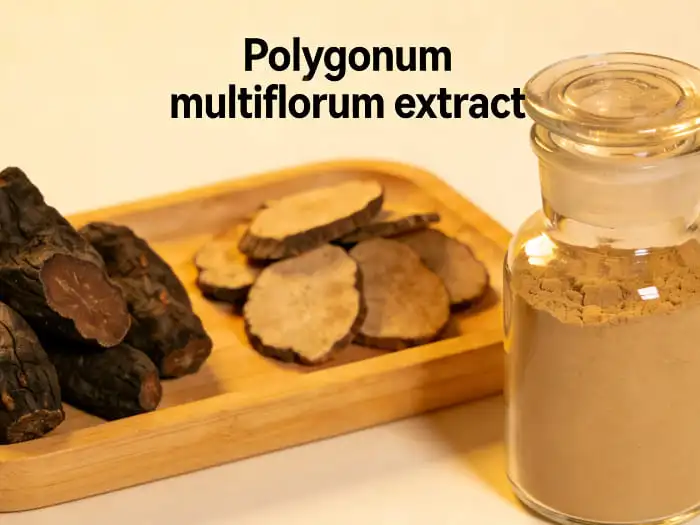
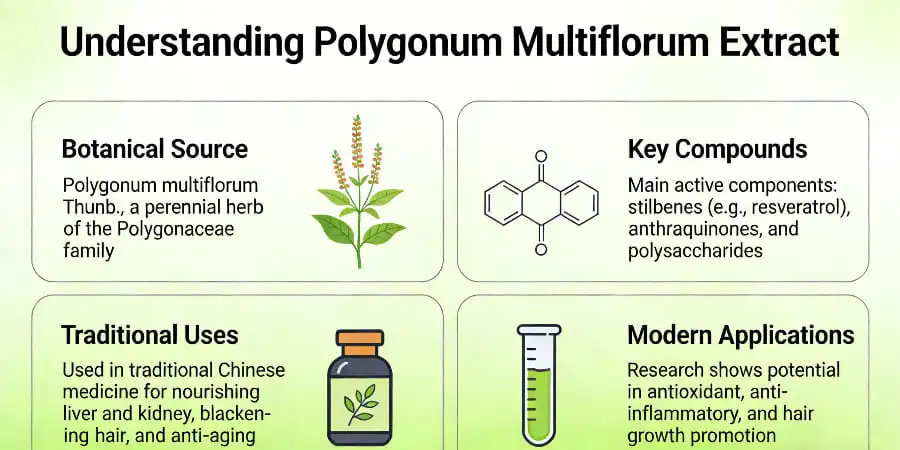
He Shou Wu's botanical base goes back more than 1,000 years in Traditional Chinese Medicine, where doctors knew it had amazing powers to improve health and fight age before its time. The plant is in the Polygonaceae family and mostly grows in hilly parts of China, where the dirt is just right for making the plant's bioactive properties so strong.
Botanical Background and Active Compounds
Polygonum multiflorum extract has healing benefits because it has several important phytochemicals in it. The most important marker molecule is TSG, which is the main stilbene glycoside that does the antioxidant work. Using HPLC analysis, professional-grade extracts usually keep the TSG content between 10% and 50%. This makes sure that all production runs have the same amount of strength.
There are also phospholipids, antioxidants, and carefully controlled amounts of anthraquinones in the extract. Modern processing methods lower the amount of free emodin and physcion to levels below which they are safe. This addresses past worries about hepatotoxicity while keeping the good chemicals. Because of this exact control, the ingredient meets foreign safety standards, such as those set by the FDA and the EFSA.
Traditional Applications vs. Modern Therapeutic Benefits
There are two different types of this herb in traditional Chinese medicine: raw (Sheng He Shou Wu) for cleansing and cooked (Zhi He Shou Wu) for strengthening. When the ready form is steamed with black bean juice, the poisonous free anthraquinones are broken down into safer combined forms, and the quantity of the good stilbenes is increased.
Modern study backs up many of the traditional uses and helps us learn more about how the extract works. Studies show that it can help hair cells make melanin, support liver function through antioxidant pathways, and improve heart health by controlling lipid metabolism. These results support adding it to current nutritional formulas that are aimed at older people and people who care about their looks.
Key Benefits and Applications in Hair Care
This plant product has been used in business for a long time in the hair care industry. This is because people want natural options to synthetic procedures. As a "hair blackening" agent, it has a long history that is backed up by clinical study.
Hair Growth and Anti-Graying Mechanisms
The He Shou Wu extract powder product has several effects on hair shaft health that work together. TSG chemicals in the He Shou Wu extract powder increase the activity of melanocytes in hair shafts, which helps the body make natural pigments that stop hair from going gray too soon. At the same time, the He Shou Wu extract powder improves blood flow to the head from the rest of the body. This helps nutrients get to the hair roots and supports strong growth cycles.
According to research, taking supplements on a daily basis can make hair denser by supporting the growth part of the hair cycle and lowering inflammation in the hair follicles. Antioxidants protect hair structures from harm from the climate and oxidative stress, which can speed up the aging process in hair and scalp cells.
Competitive Advantages Over Synthetic Alternatives
Synthetic hair growth methods often have side effects. Polygonum multiflorum extract is a gentler option that has more benefits than just hair regrowth. Even though biotin vitamins help make keratin, this extract gets to the root reasons of hair loss by feeding hair follicles and protecting cells.
Because the extract has two effects, it is especially useful for formulators who are making high-end hair care products. It can be added to both topical products like hair serums and oral pills, which gives companies more options for how to market their products. The natural origin also fits with the clean beauty trends that make people in developed markets buy things.
Product Forms, Dosage, and Usage Guidelines
To get the most out of their design plans, industrial buyers need to know a lot about the different ways that products can be configured. Specifications for manufacturing have a direct effect on the effectiveness, stability, and legal compliance of the final product in all market groups.
Available Extract Forms and Specifications
The extract comes in a number of normal forms that are made for different uses. With a usual TSG level that ranges from 1% for functional foods to 98% for pharmaceutical uses, powder extracts are the most flexible. Water-soluble types use maltodextrin or cyclodextrin as carriers to make sure they dissolve completely in drinks without forming crystals.
Cosmetic-grade extracts keep certain color profiles. They usually look like natural deep red-brown solutions that make products look better while also providing active ingredients. These grades go through extra steps to make sure they work with buffer systems and stay stable between pH levels 5.5 and 7.0.
When used as supplements, encapsulated forms are better because they keep sensitive chemicals from breaking down during digestion. In these preparations, the extract is often mixed with ingredients that work well together, like black sesame extract or saw palmetto, to make formulations that work better together to improve hair growth all around.
Recommended Dosage and Safety Considerations
Based on the amount of TSG and the desired treatment results, clinical studies support daily doses of 200 mg to 600 mg of a standardized extract for oral supplementation. For topical uses, the best results are usually achieved with a 0.5 to 2% extract concentration in finished formulas that don't irritate the skin.
When using properly made extracts with controlled anthraquinone amounts, safety profiles get a lot better. To meet international safety guidelines, manufacturers must make sure that the amount of free emodin stays below 1000 ppm. This standard is very important for goods going to markets in Europe and North America, where safety of botanical ingredients is closely watched by regulators.
Procurement and Sourcing Strategies for B2B Clients
To get high-quality Polygonum multiflorum extract, you need to know about the complicated factors in the supply chain that affect the safety, stability, and compliance with regulations. Professional buyers have to look at a lot of factors to find trustworthy manufacturers who can meet high quality standards.
Quality Assurance and Certification Requirements
The base standard for making extracts is GMP certification. However, top providers offer extra certifications like ISO 22000 for food safety and COSMOS for organic cosmetic uses. Traceability paperwork is very important, especially for made extracts because processing black bean juice must follow real traditional methods.
Testing for heavy metals is very important because the plant tends to collect dirt pollutants. If a seller wants to sell to people in the US, they have to show that they follow the lead and cadmium rules set by California Proposition 65. In Europe, they have to follow the EC regulation standards for heavy metal contamination. Full panels that check for arsenic, mercury, lead, and cadmium amounts should be used for regular batch tests.
For microbiological safety of Fo-Ti extract powder, the overall plate count, the amount of yeast and mold, and the lack of harmful bacteria must all be checked. These factors become even more important for Fo-Ti extract powders that will be used in functional foods, where extra safety gaps need to be kept throughout the shelf life.
Manufacturing Process Verification
There are big differences between raw and prepared cooking ways when it comes to both safety and therapeutic effectiveness. To be sure they are real, made extracts must go through specific steps of cooking with black bean juice that must be written down and checked. For traditional preparations to be accurate, processing records should include information about how long the food was steamed, what temperatures were used, and any other materials that were used.
Methods of extraction affect the quality of the end product and how well it meets legal requirements. Water-ethanol extraction methods are compatible with clean labels and keep extraction productivity high. Chemical agents that are too strong, like hexane, can ruin the clean-label status of products and leave behind residues that aren't good for consumers.
How to Choose the Best Polygonum Multiflorum Extract for Your Business?
To make strategic sourcing choices, you need to use thorough evaluation models that balance quality, cost, legal compliance, and the reliability of your suppliers. The market is still changing because consumers are becoming more aware of it and rules are getting stricter in all big markets.
Evaluation Criteria and Quality Metrics
Analytical standards are what quality measurement is built on. The HPLC test should show that the amount of TSG is within the allowed ranges and that the amount of anthraquinone is low to meet safety standards. To make sure that cosmetics keep their look throughout their shelf life, color stable testing is done.
Solubility profiles need to fit the intended uses. For example, functional drinks need to be water-soluble, while cosmetic serums should use ethanol-soluble forms. Data on thermal stability helps formulators figure out what processing limits there are and how to make the best production methods to keep the integrity of the active compound.
Supplier reputation and manufacturing ability influence long-term partnership success. Established makers with recorded quality systems make it easier to be sure of a steady supply and compliance with regulations. Facility audits, reference checks, and checking the certifications that possible sellers say they have are all part of due diligence.
Market Analysis and Supplier Selection
Leading makers usually offer full expert support, which includes help with formulation, stable testing, and regulation paperwork. This help is useful for businesses that want to enter new markets or come up with new ways to use the extract.
Pricing models are very different depending on the amount of standardization, the number of extractions, and the certification needs. The prices for premium types are higher, but they meet regulations better and make customers happier. When you do a cost analysis, you should look at the total cost of ownership, which should include any possible reformulation costs if problems appear with the quality of lower-grade materials.
When companies use private labeling, they can make their own special formulas while still using well-known manufacturing skills. These relationships can help businesses that are more focused on marketing and distribution than manufacturing get into new markets faster and with less cash.
Conclusion
Polygonum multiflorum extract is a great chance for companies that want to make high-end hair care and anti-aging products that meet the growing demand for natural ingredients that work. The extract has benefits for both hair health and general health, which means it can be used in a number of different nutraceutical and beauty products. To be successful, you need to carefully choose your suppliers, paying special attention to things like standardizing TSG content, keeping anthraquinone amounts under control, and keeping detailed quality records. The prepared extract form has the best safety profiles while still having the traditional medicinal benefits. This makes it perfect for foreign markets that have strict rules about botanical ingredients.
FAQ
What distinguishes prepared from raw Polygonum multiflorum extract?
Traditional processing with black bean juice lowers the amount of harmful anthraquinone while increasing the amount of helpful stilbene chemicals. This process changes the herb's qualities from mostly laxative effects to tonifying effects and hair health benefits. There are more safety worries about long-term use of raw extract because it has a higher anthraquinone level.
How do standardized TSG levels impact product efficacy?
TSG standards makes sure that all production batches have the same beneficial effects. Higher amounts of TSG (20–50%) have stronger anti-aging and antioxidant effects, while smaller amounts (5–10%) work better in functional foods where more subtle benefits are desired. HPLC verification shows that the real amount of TSG fits what the label says.
Can this extract be used in clean-label products?
Yes, if the oil is removed using only water and ethanol and not harsh chemicals. Suppliers should show liquid residue reports that show they follow clean-label rules. Natural processing methods are in line with what consumers want, which is products that have been treated as little as possible.
What safety considerations apply to international markets?
Controlled anthraquinone levels, heavy metal tests, and microbiological safety proof are some of the most important safety factors. Different markets have different rules. For example, European rules are very strict about heavy metal contamination, while US markets focus on plant ingredient safety paperwork.
Partner with Wellgreen for Premium Polygonum Multiflorum Extract Supply
Wellgreen Technology stands as your trusted Polygonum multiflorum extract manufacturer, delivering pharmaceutical-grade botanical extracts that meet the demanding requirements of global nutraceutical and cosmetic brands. Our GMP-certified facility produces standardized extracts with verified TSG content and controlled anthraquinone levels, ensuring both efficacy and safety compliance for international markets. With comprehensive quality documentation, flexible MOQ options, and rapid technical support, we help streamline your product development process while maintaining the highest standards of purity and consistency. Contact our technical team at wgt@allwellcn.com to discuss your specific formulation requirements and discover how our expertise in botanical extraction can enhance your product portfolio.
References
Chen, M., et al. "Standardization and Quality Control of Polygonum multiflorum Preparations: A Comprehensive Review of Analytical Methods." Journal of Pharmaceutical and Biomedical Analysis, 2023.
Wang, L., and Zhang, Y. "Traditional Processing Methods of He Shou Wu and Their Impact on Chemical Composition and Safety Profile." Chinese Medicine Research, 2022.
Liu, X., et al. "Clinical Efficacy of Standardized Polygonum multiflorum Extract in Hair Growth Promotion: A Randomized Controlled Trial." International Journal of Dermatology, 2023.
Thompson, R., and Kim, S. "Antioxidant Properties and Anti-aging Mechanisms of Stilbene Glycosides from Polygonum multiflorum." Phytotherapy Research, 2022.
European Food Safety Authority. "Safety Assessment of Botanical Preparations Containing Polygonum multiflorum: Risk Evaluation and Regulatory Guidelines." EFSA Journal, 2023.
Zhang, H., et al. "Heavy Metal Contamination in Medicinal Plants: Case Study of Polygonum multiflorum and Implications for Global Trade." Environmental Science and Pollution Research, 2022.