What is Red Clover Powder Used For?
2026-04-20 14:19:14
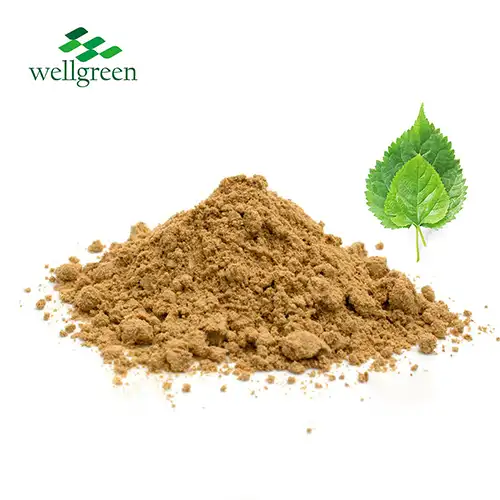
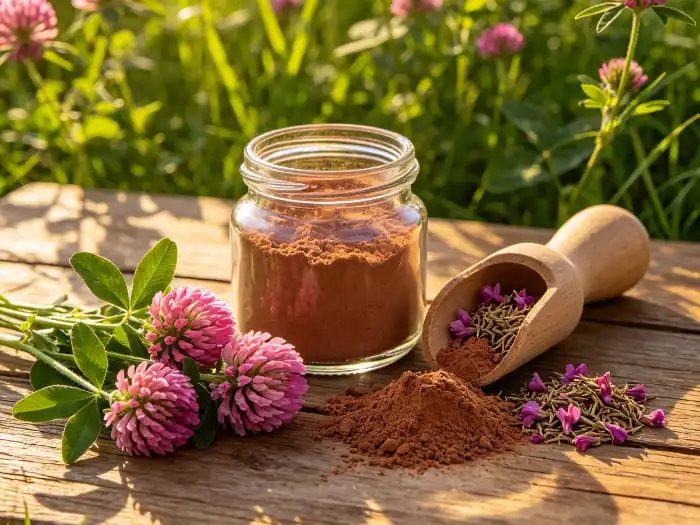
The flowering tops and aerial parts of Trifolium pratense, an annual legume plant, are used to make red clover extract powder, which is a standardized botanical ingredient. This brownish-yellow to greenish powder is a natural source of phytoestrogens. It is standardized to contain 8% to 40% isoflavones, which include biochanin A, formononetin, daidzein, and genistein. The powder is used a lot in the nutraceutical, cosmetic, and functional food businesses because it works like estrogen, is an antioxidant, and helps women's health during the menopause transition. As the need for plant-based, non-GMO alternatives to synthetic hormones grows, procurement pros look for dependable suppliers who can offer consistent quality, third-party testing, and compliance with regulations.
Understanding Red Clover Extract Powder and Its Primary Uses
Botanical Origin and Extraction Process
The red clover plant is in the Fabaceae family and does well in cold regions of Asia, Europe, and North America. To start the extraction process, the blooming tops and aerial parts must be collected during peak bloom, when the amount of isoflavone is highest. Manufacturers separate the active compounds by vacuum extraction or spray drying, making a fine powder that can be tan to pale green based on the quality of the raw materials and the processing conditions.
The final extract is very useful in many situations. Standardized extracts, on the other hand, ensure specific levels of isoflavones that can be checked using High-Performance Liquid Chromatography (HPLC). This accuracy fixes a big problem for formulators: uniformity from batch to batch. When you buy from certified providers who include Certificates of Analysis (COA) with every shipment, you can be sure that the potency of your production runs will stay the same. This cuts down on waste and the cost of reformulating.
Core Applications Across Industries
The extract does best in three areas that are all related to each other. It is used to target hormonal balance in dietary supplements, where it is added to pills, tablets, and softgels. Its phytoestrogenic profile makes it very useful for formulas that help women going through menopause. It is often mixed with black cohosh or dong quai to make the benefits stronger.
Color cosmetic experts like the ingredient for creams and serums that fight aging. Isoflavones help make collagen and stop enzymes that age the skin from working when they are present in amounts between 0.5% and 2%. When mixed properly, the powder mixes easily into oil-in-water emulsions. However, during sensory tests, formulators should take into account the powder's mild herbal smell.
When functional food companies put plant extracts into drinks and snack bars, they have to deal with some unique problems. Protein shakes and health drinks don't settle because they contain water-soluble versions of the powder that are made through special processing or microencapsulation. These changed forms keep their solubility while blocking the bitter tastes that can appear in watery places. This keeps the taste throughout the shelf life.
Phytoestrogen Profile and Mechanism
Biochanin A, formononetin, daidzein, and genistein are the four main isoflavones. They link most strongly to estrogen receptor beta (ERβ) sites all over the body. This selective binding has weak estrogenic effects that aren't as strong as those caused by synthetic hormones or activation of the estrogen receptor alpha (ERα). This process may explain why the extract works to reduce vasomotor symptoms like hot flashes while being safe for breast and uterine tissue, according to research published in peer-reviewed journals.
Knowing about this biochemical specificity helps buying teams explain the value of their products to marketing and regulatory reviewers. When trying to get plant ingredients into markets with strict rules on imports, it's important to know the difference between phytoestrogens and pharmaceutical estrogens.
Health Benefits and Usage Guidelines of Red Clover Extract Powder
Menopausal Symptom Relief
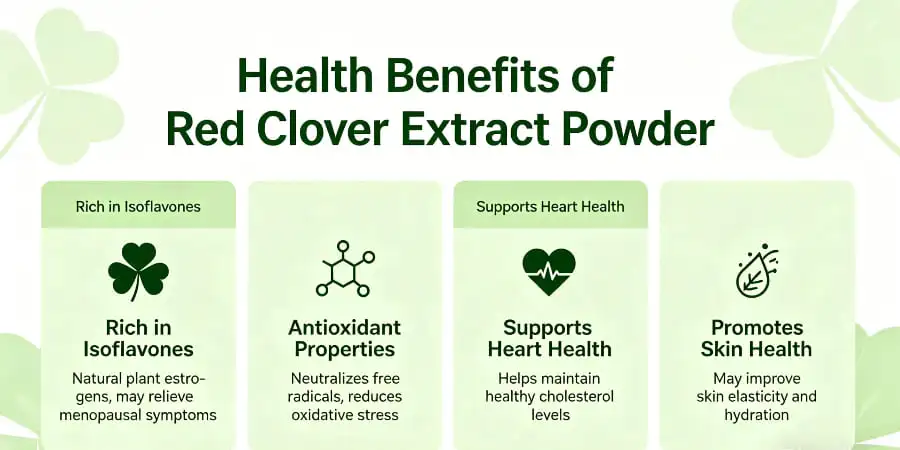
There are clinical studies that show that taking isoflavones from this plant every day is linked to fewer and milder hot flashes. Women in the perimenopause often say that taking 40–80 mg of standardized isoflavones every day helps with night sweats and keeping their mood stable. Based on these results, the red clover extracts should be a main part of health supplements for women.
Product designers should keep in mind that isoflavone structure has a big impact on how well a product works. Because red clover extracts have higher amounts of biochanin A and formononetin than soy extracts, they may be better at getting into the body. When putting goods up against soy isoflavone competitors, this difference in composition becomes a key selling point.
Cardiovascular and Bone Health Support
Isoflavones can act as antioxidants in more ways than just changing hormones. According to research, these substances help the heart work better by making the arteries more flexible and improving the lipid profiles. The extract is not an alternative for pharmaceutical treatments, but it is used as an extra ingredient in heart health products for health-conscious people who want to eat better to avoid health problems.
Preserving bone density is another use that is backed by study. Women who have gone through menopause are especially interested in natural ways to avoid osteoporosis. Combining the extract with vitamin D3, calcium, and magnesium is in line with nutritional guidelines that have been proven to work. This makes bone support goods that are appealing to older people.
Recommended Dosage and Format Comparison
The recommended dose changes depending on the use and amount of standardization. Manufacturers of supplements usually work within these limits:
- 40–80 mg of total isoflavones per day, split into one or two doses, in capsules and pills. Higher levels of standards (40%) make it possible for capsules to be smaller, which makes it easier for people to take them.
- Topical uses: 0.5 to 2% concentration in finished cosmetics; stability testing is needed to prove how quickly isoflavone breaks down in normal storage settings.
- Functional drinks: 20 to 40 mg per serving, using forms that dissolve in water to keep the doses uniform and stop them from settling during distribution.
Manufacturers who can encapsulate their own products can save money by using raw powder, while pre-encapsulated forms make production easier for smaller businesses or those who want to keep their supply chain as simple as possible. Traditional tea forms, like black tea, don't have as much isoflavone bioavailability as concentrated extracts. This means they're not as good for therapeutic dosing but are fine for general health positioning.
Safety Considerations and Contraindications
For responsible sources, heavy metals, pesticide residues, and microbial contamination must be tested by a third party. Reliable sellers show proof that their products meet USP standards for levels of lead, arsenic, cadmium, and mercury. This openness keeps your brand safe from government action and incidents involving customer safety.
When it comes to hormone safety, the latest research shows that the extract's selective receptor binding has a better profile than manufactured estrogens. But people with illnesses that make them sensitive to estrogen should talk to their doctors before using. Formulators should put the right warnings on the labels so that customers can make smart decisions and reduce their liability.
Comparing Red Clover Extract Powder to Other Supplements and Products
Red Clover vs. Soy Isoflavones
Isoflavones can be found in both sources, but their compositions make them useful for different things. Genistein and daidzein make up most of soy products, while biochanin A and formononetin are found in large amounts in red clover. These modified precursors are changed in the liver, which could provide benefits like longer-lasting effects and better tolerance for people who are sensitive.
Concerns about allergens make these choices even more different. Because soy is one of the eight most common food allergens, it can't be used in all recipes. Labels that say "soy-free" can include red clover powder, which helps the market reach people who have to follow certain diets or just prefer non-GMO plant sources. This difference is especially useful in European markets where worries about GMOs affect buying choices.
Organic Certification Impact on Quality and Pricing
Organic approval changes many parts of the supply chain. Certified organic extracts are seen as more valuable than regular ones, and their prices are usually 20% to 40% higher. This investment pays off because it gives you access to natural product stores that appeal to people who care about the environment.
The certification process also puts tighter limits on the use of pesticides during cultivation, which could lower the amount of residue in the finished extracts. When you want to sell to people in the European Union or at organic specialty stores in North America, you need to make the investment in approval. Teams in charge of buying things should think about whether the positioning of their product deserves the higher cost or whether regular sources that meet international residue standards are enough.
Variability in Isoflavone Content Across Suppliers
Not every provider has the same high standards for quality. The amount of isoflavone in a plant can change a lot depending on when it was harvested, how it was extracted, and how it was stored. Reliable makers offer batch-specific HPLC chromatograms that show that all four key isoflavones are present and in the right amount. Your quality control team can use this information to check that the specs are correct before adding the material to production runs.
When looking at possible sources, ask for several batch COAs from different months to see how consistent they are. Large differences between batches show that the process controls aren't good enough or that the raw materials aren't coming from trusted sources. When suppliers show narrow specification windows, like 39–41% isoflavones instead of 35–45%, it means they have better quality control systems and process capabilities.
Procurement Insights: How to Buy Red Clover Extract Powder Wholesale?
Minimum Order Quantities and Pricing Structures
For standardized extracts, the minimum order numbers (MOQs) that industrial buyers usually face are between 25 kg and 100 kg. When you make a bigger commitment, you can get volume savings and maybe even special requests like different extraction ratios or better flowability for high-speed encapsulation lines.
Instead of per-order quantities, yearly volume commitments should be thought about when negotiating agreements. Suppliers often offer better terms to customers who promise to consistently buy from them. This helps them plan their production more efficiently and get the raw materials they need. These connections are very helpful when there are problems with supplies or changes in seasonal access.
Critical Certifications and Compliance Documentation
As a general rule, any serious provider should have GMP certification. This certification shows that factories follow modern Good Manufacturing Practices, which include written processes, regular equipment calibration, and full batch records. In addition to GMP, you should also look for manufacturers who have ISO 9001 for quality management and ISO 22000 for food safety management systems.
Organic certification (USDA Organic, EU Organic, or an equivalent) lets you sell to certain groups of people, but it checks the whole supply line, from the farm to the finished product. Kosher and Halal certifications make products easier to get in places where people follow strict religious rules. Each certification needs to be audited and documented every year, so providers who have more than one certification show they are committed to quality assurance and market access.
As normal paperwork for every shipment, ask for allergen statements, GMO status statements, and BSE/TSE certificates. These simple-looking papers keep your business safe during government checks and customer audits, which keeps you from having to pay a lot of money for production delays or product refunds.
Evaluating Supplier Capabilities and Reliability
When evaluating suppliers, look at more than just their certificates. Production capacity tells you if they can grow with your business, which is very important to think about when putting out new goods that you don't know how people will react to. Lead times affect how you handle your inventory. Shorter cycles mean you need less working capital, but they could also mean that quality testing isn't done as thoroughly.
Being able to do private label and OEM shows that relationship models are flexible. Suppliers who offer these services can package finished goods or make unique formulations, which could help your supply chain work together better. This is especially helpful for new brands that don't have their own production facilities.
Technical help is what sets exceptional suppliers apart from average ones. Having access to formulation guidelines, stability data, and regulatory dossiers speeds up the process of making new products. As soon as sellers use technical resources to help their customers succeed, they stop being just sources of transactions and become strategic partners.
Conclusion
In the nutraceuticals, cosmetics, and functional foods industries, red clover extract powder is a useful plant ingredient that can be used in a number of different ways. Its standardized isoflavone profile meets the rising need among consumers for natural alternatives that support healthy hormones, heart health, and skin vitality. To integrate well, you need to pay attention to the quality of the suppliers, following the rules, and making sure that the best composition practices are used for each application. Procurement professionals build reliable supply chains that support product excellence and brand image in competitive markets by working with certified manufacturers who offer consistent specifications and full technical support.
FAQ
Is long-term supplementation with red clover extract safe?
Current research indicates favorable safety profiles for extended use within recommended dosage ranges. Studies tracking participants over 12-month periods show no significant adverse events related to liver function, thyroid hormones, or endometrial thickness. However, individuals on anticoagulant medications should exercise caution due to potential interactions with coumarin compounds present in some extracts. Responsible brands recommend periodic healthcare provider consultations for users continuing supplementation beyond six months.
How does powder form compare to tea for delivering health benefits?
Standardized extract powders deliver significantly higher isoflavone concentrations than traditional tea preparations. While tea provides a gentle, traditional consumption method, achieving therapeutic doses requires consuming multiple cups daily, which introduces variability based on brewing time and temperature. Concentrated powders in capsules offer precise dosing and superior bioavailability, making them preferable for clinical applications where consistent effects matter.
What certifications should buyers prioritize when selecting suppliers?
GMP certification forms the foundation, confirming manufacturing quality standards. For market access, organic certification (USDA, EU, or equivalent) proves essential when targeting natural product retailers. Third-party testing verification through programs like NSF International or USP demonstrates commitment beyond minimum requirements. Suppliers providing batch-specific COAs with HPLC chromatograms and heavy metal/pesticide screening reports offer the transparency necessary for confident procurement decisions.
Partner with a Trusted Red Clover Extract Powder Supplier
Wellgreen Technology specializes in manufacturing premium red clover extract powder standardized to your exact specifications, with isoflavone concentrations ranging from 8% to 40% verified through rigorous HPLC testing. Our GMP-certified production facility maintains comprehensive quality controls, ensuring every batch meets international standards for purity, potency, and safety. We support OEM and private label partnerships with flexible minimum order quantities, complete documentation packages including organic certifications, and technical guidance throughout your formulation process. Whether you need bulk wholesale quantities or custom-blended specifications, our inventory depth and expedited shipping capabilities keep your production schedules on track. Contact our team at wgt@allwellcn.com to discuss your requirements and receive detailed product specifications tailored to your application needs.
References
Lipovac M, Chedraui P, Gruenhut C, et al. "Improvement of postmenopausal depressive and anxiety symptoms after treatment with isoflavones derived from red clover extracts." Maturitas 65, no. 3 (2010): 258-261.
Howes JB, Sullivan D, Lai N, et al. "The effects of dietary supplementation with isoflavones from red clover on the lipoprotein profiles of post menopausal women with mild to moderate hypercholesterolaemia." Atherosclerosis 152, no. 1 (2000): 143-147.
Atkinson C, Compston JE, Day NE, et al. "The effects of phytoestrogen isoflavones on bone density in women: a double-blind, randomized, placebo-controlled trial." American Journal of Clinical Nutrition 79, no. 2 (2004): 326-333.
Beck V, Rohr U, Jungbauer A. "Phytoestrogens derived from red clover: an alternative to estrogen replacement therapy?" Journal of Steroid Biochemistry and Molecular Biology 94, no. 5 (2005): 499-518.
Tempfer CB, Froese G, Heinze G, et al. "Side effects of phytoestrogens: a meta-analysis of randomized trials." American Journal of Medicine 122, no. 10 (2009): 939-946.
Booth NL, Piersen CE, Banuvar S, et al. "Clinical studies of red clover (Trifolium pratense) dietary supplements in menopause: a literature review." Menopause 13, no. 2 (2006): 251-264.