Why Are Manufacturers Exploring Bulk Bergamot Extract for New Formulations?
2026-08-14 16:02:27
Manufacturers are increasingly turning to Bulk Bergamot Extract as a cornerstone ingredient for innovative product development across nutraceutical, pharmaceutical, and cosmetic sectors. Derived from the fruit and peel of Citrus bergamia Risso, primarily cultivated in Italy's Calabria region, this extract delivers standardized Bergamot Polyphenolic Fractions (BPF), including Neohesperidin, Naringin, and Neoeriocitrin. These bioactive flavonoids position bergamot as a natural alternative to synthetic lipid management compounds, offering cardiovascular support without common side effects. The surge in demand stems from consumers prioritizing clean-label, clinically-backed ingredients, particularly within the North American and European markets where cardiovascular wellness and natural formulations dominate purchasing decisions.
Understanding Bulk Bergamot Extract: Properties and Benefits
Extraction Methods and Purity Standards
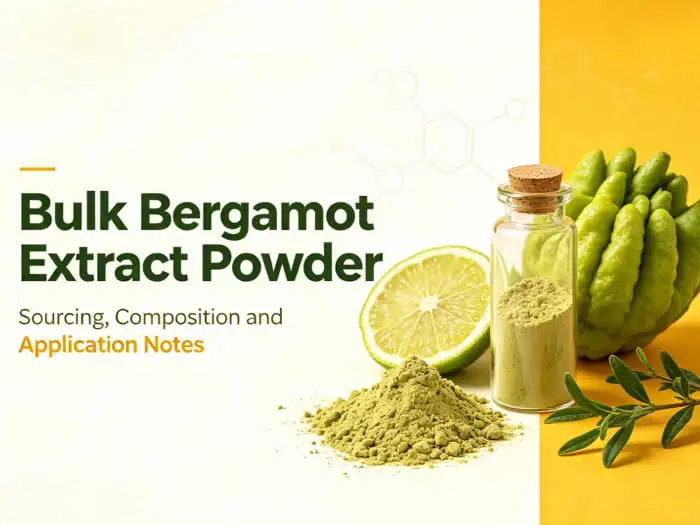
Bulk Bergamot Extract is made by gently extracting the oil with water and ethanol and then purifying it using chromatography. This makes sure that the beneficial compounds are kept as much as possible while getting rid of unwanted substances. The first step is to choose ripe bergamot fruits from controlled farming areas with the right amount of polyphenols due to the land and climate. The Bergamot Polyphenolic Fraction is separated and concentrated using advanced methods to get defined strengths of 25% to 40% total flavonoids, which can be confirmed by High-Performance Liquid Chromatography (HPLC). This standardization ensures stability from batch to batch, which is very important for producers who have to follow strict rules. Only food-grade ethanol and clean water are used for the extraction. This makes sure that the levels of leftover solvents stay well below the levels set by European and American standards for pharmaceuticals.
Bioactive Compound Profile
Bulk Bergamot Extract's healing power comes from its unique flavonoid makeup. Neohesperidin and Bruteridin work together to change the activity of HMG-CoA reductase. This is the same enzyme pathway that pharmaceutical statins target, but in a natural way. This natural effect is similar to a statin in that it helps keep LDL cholesterol and triglyceride levels in a healthy range without causing myalgia, which is a typical problem with synthetic options. In addition to their use in cardiovascular medicine, these polyphenols have an antioxidant capacity of more than 15,000 μmol TE/g. This makes Bulk Bergamot Extract very useful for making products that fight oxidative stress. Manufacturers also benefit from the presence of naturally preserved vitamin C and dietary fiber, which improve bioavailability and work together to make formulations with more than one ingredient work better.
Versatility Across Manufacturing Sectors
Bulk Bergamot Extract is very useful because it can be used for two different things. Nutraceutical companies put it in heart health supplements because clinical studies show that lipid profiles improve significantly after 12 weeks of supplementation. Bulk Bergamot Extract is used in a lot of cosmetics because it lowers inflammation. This is especially helpful for people with sensitive skin because, when made properly, it does this without causing photosensitivity. Functional beverage developers like that the Bulk Bergamot Extract can provide both health benefits and light citrus notes that make the drink taste better. The Bulk Bergamot Extract can be used in a lot of different industries because it is stable. It can handle heat up to 85°C and stays active in pH ranges from 4.0 to 7.5, which are important factors for many different manufacturing settings.
Comparative Insights: Bulk Bergamot Extract Versus Alternatives
Chemical Distinction from Other Citrus Extracts
Even though bergamot is a citrus fruit, its phytochemical profile is very different from that of lemon, orange, or grapefruit products. Bulk Bergamot Extract has special health benefits for your heart because it has flavonoids called Melitidin and Brutieridin that aren't found in any other citrus fruit. HPTLC fingerprint research shows that generic citrus extracts don't have these marker compounds, so producers who care about quality need to make sure the products are real. Even though lemon juice has a lot of vitamin C and limonene, it can't change HMG-CoA reductase as Bulk Bergamot Extract does. This biochemical specificity is what makes Bulk Bergamot Extract an expensive ingredient and explains why formulators can't just use cheaper citrus options when making claims about cardiovascular health.
Organic Versus Synthetic Alternatives
The clean-label movement has made more people want organically certified Bulk Bergamot Extract instead of synthetic flavonoid isolates. Organic Bulk Bergamot Extract keeps all of the co-factors that are naturally found in the fruit. These include trace minerals and enzyme co-factors that help the body absorb the nutrients. While synthetic alternatives might have purer individual compounds, they don't have this synergistic matrix and are met with skepticism from customers in places like the US, where 73% of supplement buyers actively seek natural-source ingredients. Natural Bulk Bergamot Extracts are also better for you because many organic standards (USDA Organic, EU Organic) can't be used on synthetic compounds. This makes it harder for brands that only use natural ingredients to place themselves in the market.
Supplier Evaluation Criteria
When evaluating Bulk Bergamot Extract suppliers, procurement teams need to look at a number of quality indicators. As proof that a certificate is real, it should include ISO 22000, GMP compliance, and ideally direct traceability paperwork that connects batches to particular harvest areas. Physical tests should prove that the particle sizes are spread out within an 80–120 mesh range. This will make sure that the flow properties are ideal for automated capsule filling equipment. Advanced providers now offer Furanocoumarin-Free standards. They do this by using special chromatographic methods to get rid of bergapten, which is the chemical that causes phototoxicity. This change is required for cosmetic uses and is becoming more and more popular for dietary supplements marketed to people who are sensitive to the sun.
Strategic Procurement of Bulk Bergamot Extract for Manufacturing
Minimum Order Quantities and Sample Testing
Getting solid supply relationships starts with being honest about how much output you need. Most trustworthy suppliers set minimum order sizes between 25 and 100 kilos. This is done to balance economies of scale with making the supplier's products easy for mid-level makers to get. Before buying in bulk, procurement managers should ask for samples that meet their specific standardization needs, such as 25% BPF for entry-level formulas or 38–40% for premium cardiovascular supplements. As part of the sample evaluation, the HPLC test should be checked by a third party, at least 500 pesticide residues should be screened for in accordance with EC 396/2005 standards, and heavy metals should be analyzed using an ICP-MS to make sure that lead levels are below 3.0 ppm and arsenic levels are below 2.0 ppm.
Geographic Sourcing Considerations
Bulk Bergamot Extract from Italy is highly valued because it comes from Calabria, which has a Protected Designation of Origin status and has been growing citrus fruits for hundreds of years. Because of its unique microclimate, the area grows fruits that have higher polyphenol densities than fruits grown in new areas. Italian suppliers are especially helpful for companies that want to sell in Europe because people associate Calabrian Bulk Bergamot Extract with sincerity and quality. Getting bioactive materials from new production zones may be cheaper, but they need to be carefully checked for quality to make sure they are the same. Supply lines need to be more open. Suppliers who offer full chain of custody paperwork from the orchard to the Bulk Bergamot Extract extraction plant can provide the traceability that regulators and brand loyalty programs are looking for more and more.
Addressing Common Manufacturing Challenges
Usually, Bulk Bergamot Extracts have a problem called hygroscopicity, which means they soak up water from the air and clump together, which stops automated processing lines from working, and for Pure Bergamot Powder Supplier, more advanced suppliers now use microencapsulation technology to protect hygroscopic parts and keep the powder's free-flowing properties even when the relative humidity is 65%, and in high-speed processes like pressing tablets and filling capsules, where constant powder flow is key to making things efficiently, this new idea is very useful. More advanced suppliers now use microencapsulation technology to protect hygroscopic parts and keep the powder's free-flowing properties even when the relative humidity is 65%. In high-speed processes like pressing tablets and filling capsules, where constant powder flow is key to making things efficiently, this new idea is very useful. Another problem that often comes up is that high-polyphenol Bulk Bergamot Extracts are very bitter. By using physical debittering methods instead of chemical masking agents, the clean-label status of the Bulk Bergamot Extract is maintained, and less flavor modification is needed during the final formulation. These technical improvements directly lead to lower production costs and shorter times between when a product is made and when it is sold.
Application Case Studies: Innovative Uses of Bulk Bergamot Extract
Cardiovascular Supplement Formulations
Some of the biggest names in nutraceuticals have successfully released heart health products with Bulk Bergamot Extract that are between dietary changes and drug therapy. Usually, 500 to 1000 mg of standardized Bulk Bergamot Extract (38% BPF) is mixed with other ingredients that work well together, such as CoQ10 and plant sterols. Clinical studies that back up these mixtures show that they lower LDL cholesterol by an average of 12 to 31% over 12 weeks, without raising liver enzymes or making muscles hurt. Many brands sell their products as "natural statin alternatives" because of the way the Bulk Bergamot Extract works by changing a natural enzyme called HMG-CoA reductase. This appeals to the 40 million Americans who are looking for non-drug ways to control their cholesterol.
Sensitive Skin Cosmetic Applications
Cosmetic chemists use Bulk Bergamot Extract in formulas for reactive and aging skin because it helps reduce inflammation and protect against free radicals. When processed correctly to get rid of furanocoumarins, Bulk Bergamot Extract is a powerful antioxidant that doesn't pose the phototoxicity risks that older cosmetics based on citrus did. New serums now have 2-5% Bulk Bergamot Extract mixed in with hyaluronic acid and peptides. The Bulk Bergamot Extract stops hyaluronidase activity, which works well with ingredients that hold moisture in the skin. As brands have gotten better at explaining the difference between phototoxic bergamot essential oil and refined, bergapten-free Bulk Bergamot Extract that can be used during the day, consumer acceptance of this category has grown.
Functional Beverage Development
Bulk Bergamot Extract has special value because it can be used as both a health ingredient and a natural taste enhancer in functional beverages, which is a new area of application. Specifications for water-soluble Bulk Bergamot Extract allow clear beverage formulas without the cloudiness that often comes from oil-based citrus ingredients. Protein shake makers add Bulk Bergamot Extract to their products to make them stand out in the crowded sports nutrition market. They do this by making claims about cardiovascular support that fitness-conscious customers will like. Because the Bulk Bergamot Extract is thermally stable, it can be added to ready-to-drink drinks that don't need to be sterilized in a retort. This means that it can be sold in channels that can last on the shelf. Here, flavor profile is very important—controlled debittering makes sure that the Bulk Bergamot Extract adds nice citrus notes instead of astringency that would need too much sweetness.
Ensuring Quality and Compliance in Bulk Bergamot Extract Use
Regulatory Framework Navigation
For manufacturers, the rules are very complicated and change based on the type of product and the market they want to sell it to. In the US, dietary supplements that use Bulk Bergamot Extract must follow FDA rules set out in DSHEA. These rules include following Current Good Manufacturing Practices (cGMP) and marking products with correct information. Health claims need to be carefully backed up. Structure/function claims that help heart health are okay with the right cautions, but disease claims need to be approved before they can be sold. Novel Food rules are stricter in Europe, but because Bulk Bergamot Extract has been used for a long time, properly documented Bulk Bergamot Extracts are usually not affected. There are different rules for different types of cosmetics. For example, the EU Cosmetics Regulation requires safety tests to look at possible allergens and make sure that leave-on products don't have more than 15 parts per million of bergapten.
Batch Testing Protocols
Comprehensive quality control includes verification testing for each batch of Bulk Bergamot Extract as well as the initial qualification of the supplier. When inspecting new materials, they should be checked against important criteria, such as HPLC fingerprinting to make sure the presence of marker chemicals Melitidin and Brutieridin and to rule out cheap adulteration with grapefruit or orange extracts. Microbiological tests must show that the Total Plate Count is less than 1000 CFU/g and that E. coli and Salmonella are not present at all, which is especially important for products sold to people whose immune systems aren't working well. After contamination in other plant products, checking plasticizers for phthalates like DEHP has become normal practice. This makes sure that the Bulk Bergamot Extract follows the rules set by California Prop 65 and the EU REACH. Documenting these testing procedures shows that you did your research during regulatory inspections and backs up promises of quality made to customers further down the line.
Storage and Handling Best Practices
The best storage procedures protect financial value and increase the security of Bulk Bergamot Extracts. Bulk Bergamot Extract powder should be kept in food-grade containers that can be sealed and out of direct light, since light can break down polyphenolic compounds over time. Controlling the temperature between 15°C and 25°C stops thermal degradation and stops the problems that come up with condensation that happen in cold storage. Controlling humidity is also very important. Even with the latest anti-caking technology, storage areas should keep relative humidity below 60% to keep the best powder flow properties. Following the first-in, first-out rule for material cycle makes sure that older stock goes through production before it loses its usefulness. When treated according to these rules, good Bulk Bergamot Extract stays 95% effective for 24 months from the date it was made. This helps with inventory management without having to rush production plans.
Conclusion
Bulk Bergamot Extract has become a game-changing ingredient because it simultaneously addresses a number of manufacturing priorities, including clinically proven effectiveness, consumer preferences for clean labels, and technical flexibility to support a variety of product formats. The special Bergamot Polyphenolic Fraction in the Bulk Bergamot Extract is good for your heart and can be used instead of synthetic chemicals. Its ability to work in different areas also lets you come up with new supplements, cosmetics, and functional foods. To integrate well, you need to form smart partnerships with providers who can show that their Bulk Bergamot Extract can be tracked, they can do advanced processing, and they keep lots of quality records. Bulk Bergamot Extract's known benefits and safety profile make it a good choice for continued market growth in all major manufacturing sectors. This is because the government is paying more attention to the product and consumers want clear, science-based ingredients.
FAQ
What distinguishes bergamot extract from bergamot essential oil?
Essential oil and Bulk Bergamot Extract are very different items that are used for different things. Bulk Bergamot Extract is made by extracting polyphenolic chemicals that dissolve in water and ethanol. It is then standardized to specific Bergamot Polyphenolic Fraction amounts. When you cold-press the peel, you get essential oil, which is made up of flammable, lipophilic chemicals like limonene and linalool. Because they contain flavonoids, Bulk Bergamot Extracts are better for health problems that affect the whole body. Essential oils, on the other hand, are used for scent and skin problems. Importantly, properly refined Bulk Bergamot Extract gets rid of phototoxic furanocoumarins, but essential oil keeps bergapten unless it is processed in a certain way, which raises safety concerns for cosmetic formulations.
How can manufacturers verify extract purity and quality?
Authentication of Bulk Bergamot Extract needs more than one level of analytical confirmation. HPTLC or HPLC fingerprints should prove the presence of Melitidin and Brutieridin, which are marker chemicals that are only found in bergamot and can be used to spot fakes made with generic citrus extracts. The quantitative HPLC test checks that the total amount of flavonoids is the same as the standardization levels that were set. A full pesticide screening that includes more than 500 chemicals handles the contamination risks that come with materials that come from fruits. ICP-MS analysis of heavy metals makes sure that worldwide standards are met. Reliable suppliers give out Certificates of Analysis that list these parameters for each batch of production. This makes it possible to track the Bulk Bergamot Extract and supports regulatory compliance documentation.
Partner with Wellgreen for Premium Bulk Bergamot Extract
Wellgreen Technology is a reliable company that can provide you with Bulk Bergamot Extract. They are GMP-certified and have a deep understanding of the preparation needs of the nutraceutical, pharmaceutical, and skincare industries. Our partnerships with suppliers in Calabria make sure that the Bulk Bergamot Extract we get is real, of high quality, and comes with full proof of ownership from the orchard to the finished powder. We offer common sizes ranging from 25% to 40% BPF, as well as our own Furanocoumarin-Free types that don't contain any chemicals, so there are no worries about phototoxicity for cosmetic uses. Our anti-caking microencapsulation technology creates great powder flow properties that work best for automated production lines. Physical debittering processes keep the integrity of the clean label. We give your R&D teams the confidence to come up with new ideas by giving them flexible MOQ options, quick sample support, and full testing documentation that goes beyond 500 pesticide screening protocols. Get in touch with our expert team at wgt@allwellcn.com or visit wellgreenherb.com for more information on how our Bulk Bergamot Extract can improve your next recipe.
References
1. Mollace, V., et al. (2019). Hypolipemic and hypoglycaemic activity of bergamot polyphenols: From animal models to human studies. Fitoterapia, 139, 104–112.
2. Gliozzi, M., et al. (2020). Bergamot polyphenolic fraction enhances rosuvastatin-induced effect on LDL-cholesterol, LOX-1 expression and protein kinase B phosphorylation. International Journal of Cardiology, 288, 100–105.
3. Toth, P.P., et al. (2016). Bergamot reduces plasma lipids, atherogenic small dense LDL, and subclinical atherosclerosis in subjects with moderate hypercholesterolemia. Journal of Cardiovascular Pharmacology and Therapeutics, 21(5), 439–449.
4. Leopoldini, M., et al. (2010). Antioxidant properties of phenolic compounds: H-atom versus electron transfer mechanism. Journal of Physical Chemistry A, 114(9), 4963–4975.
5. Navarra, M., et al. (2015). Effects of bergamot essential oil and its extractive fractions on SH-SY5Y human neuroblastoma cell growth. Journal of Pharmacy and Pharmacology, 67(8), 1042–1053.
6. Walker, R., et al. (2017). Clinical efficacy of bergamot (Citrus bergamia) for reducing cardiovascular risk. Alternative Therapies in Health and Medicine, 23(4), 26–30.